Journal
Maclovia
- Directed by Emilio Fernández
- Cinematography by Gabriel Figueroa
- Starring María Félix and Pedro Armendáriz
- Mexico, 1948
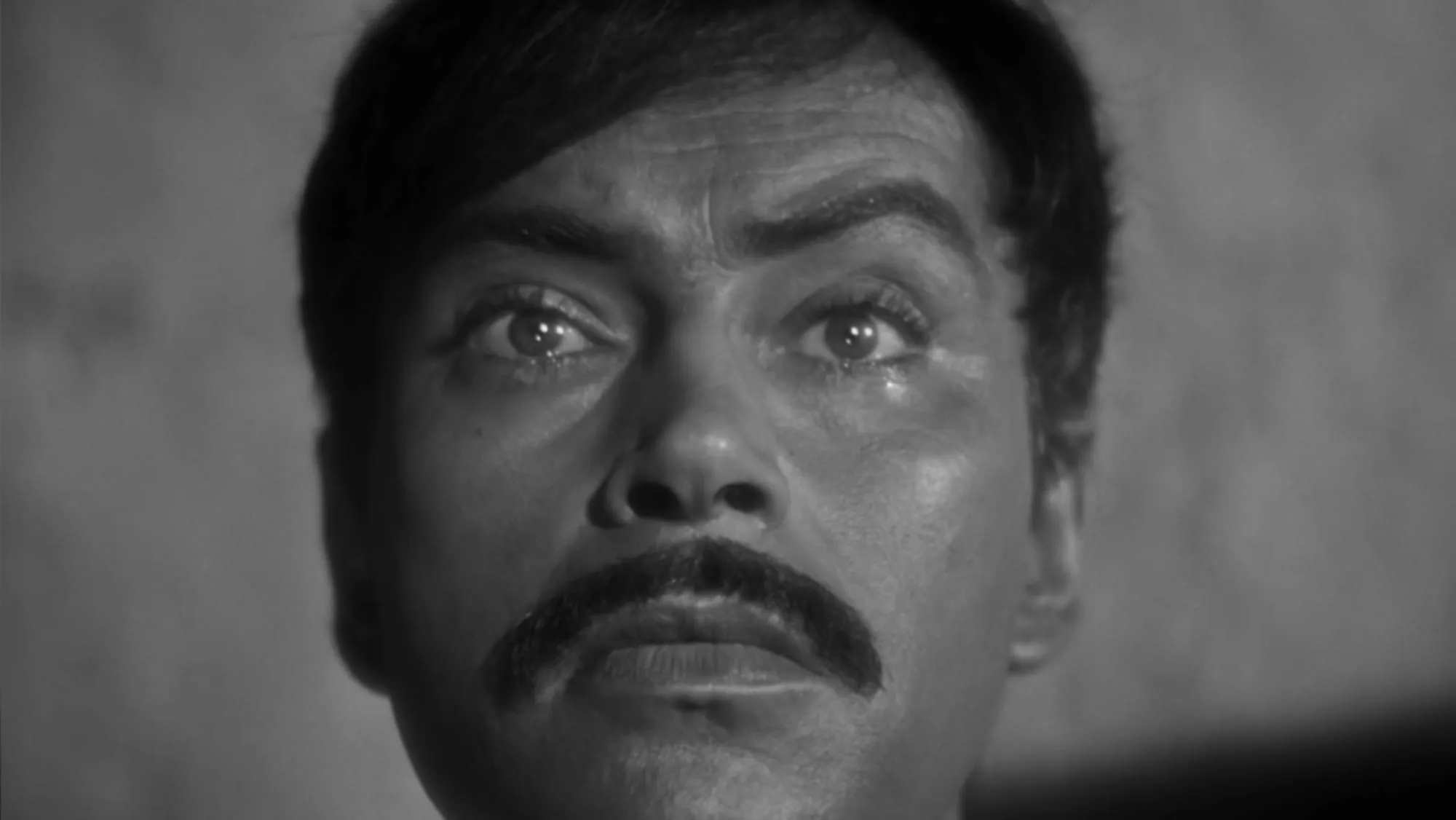
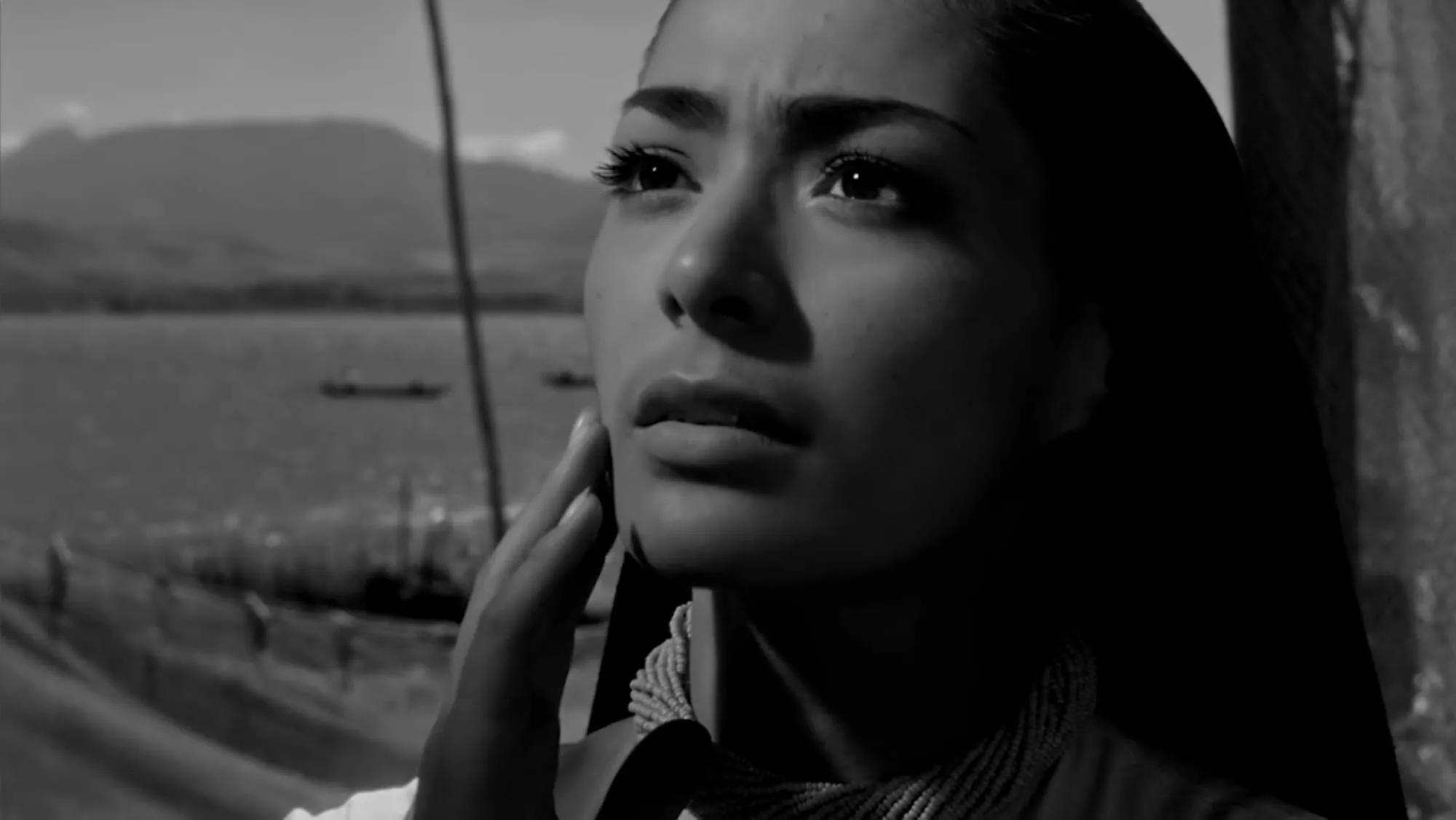
Going back with new eyes
My relationship with Pátzcuaro and the island of Janitzio began when I was a kid. In August 2004 I went with my parents and my brother: the boat, the pier, the island’s streets, the Morelos monument.
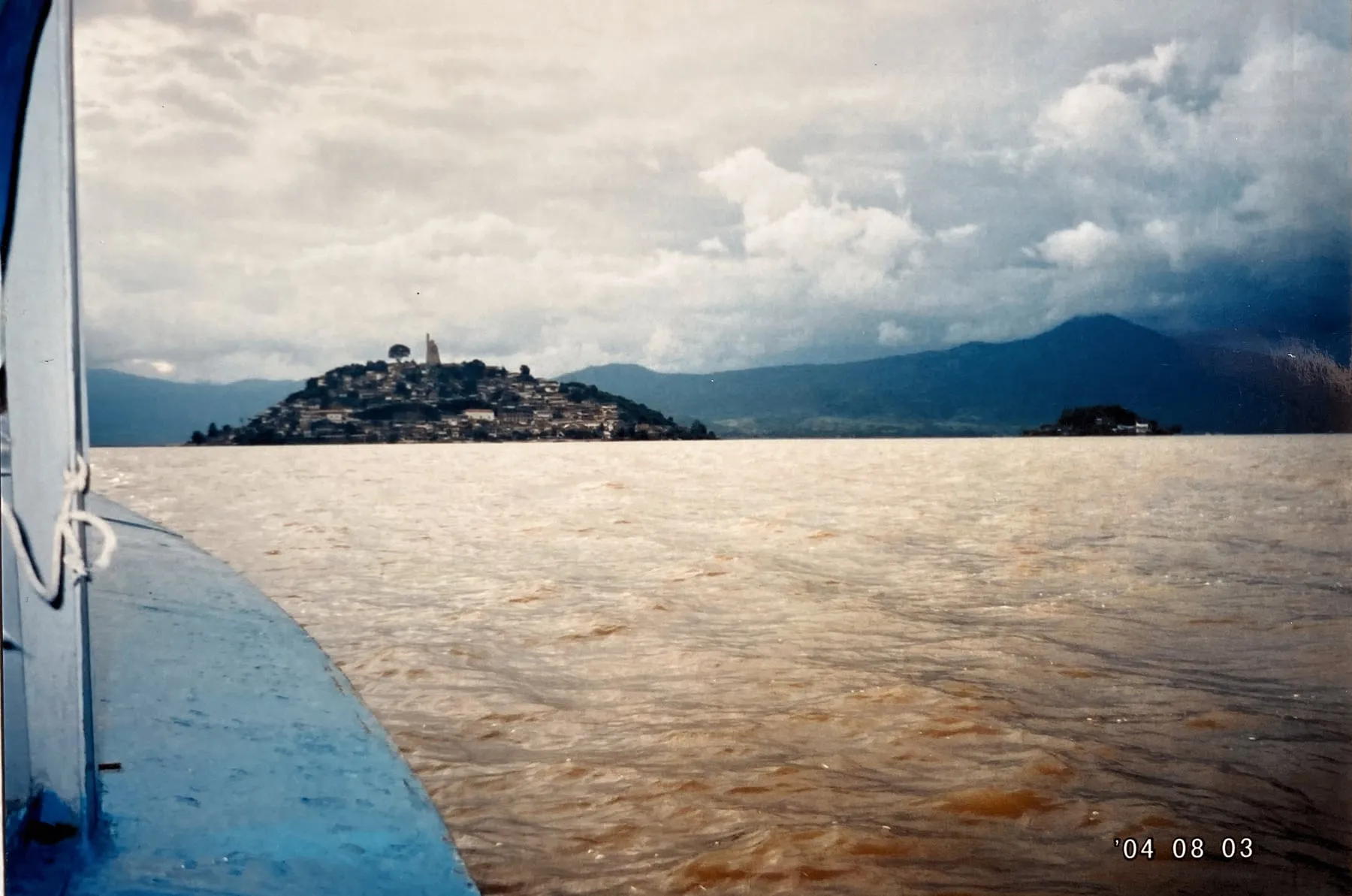
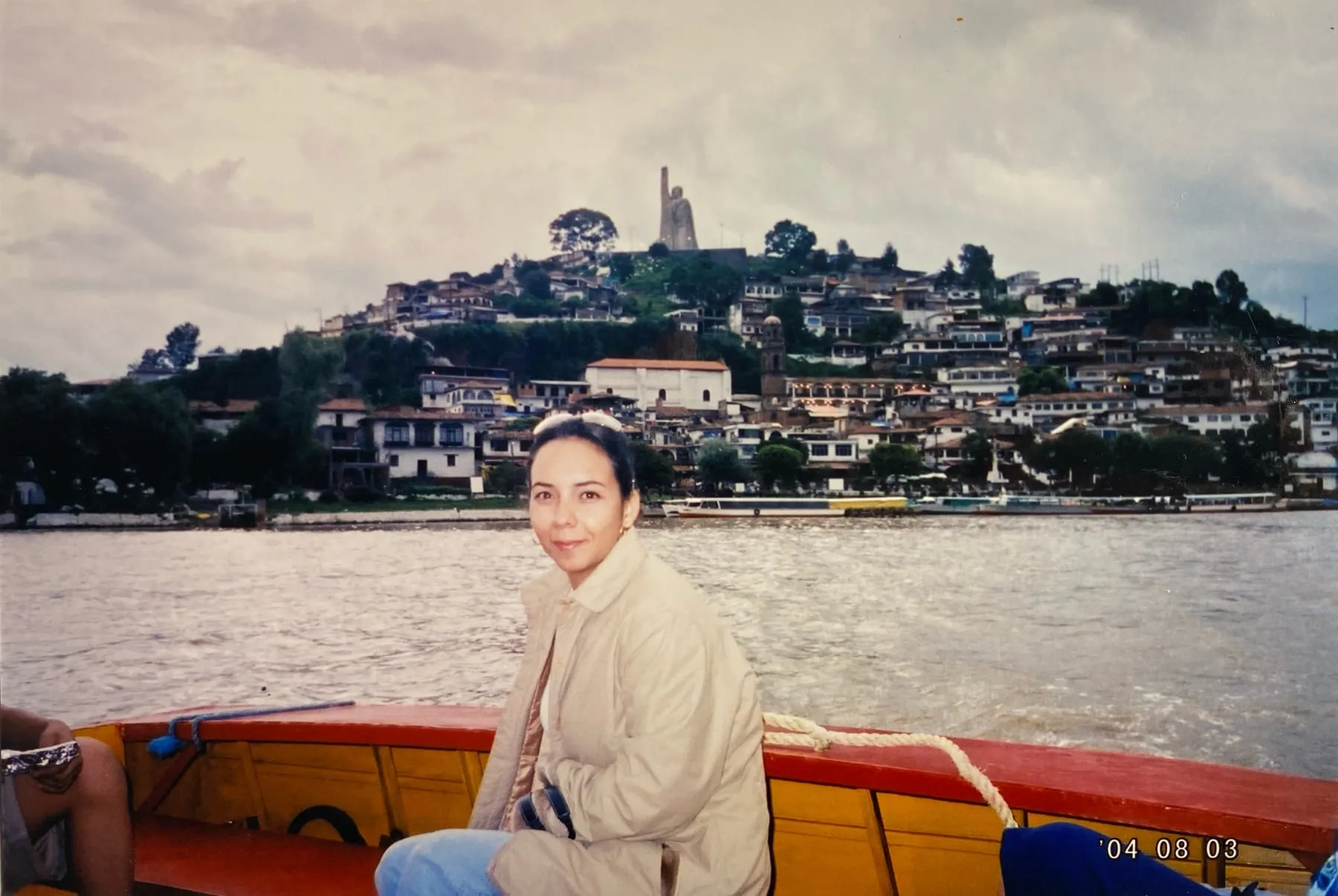
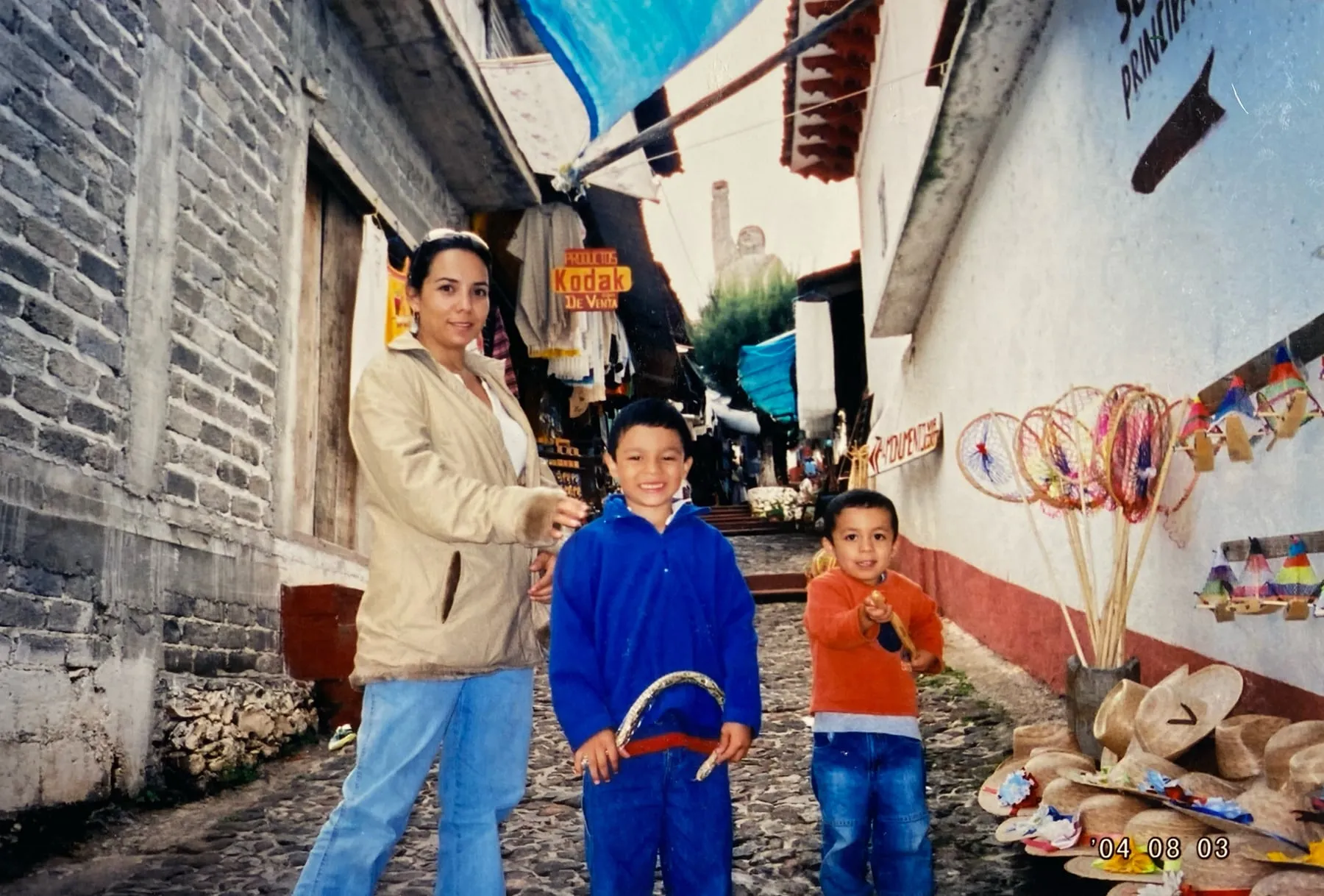
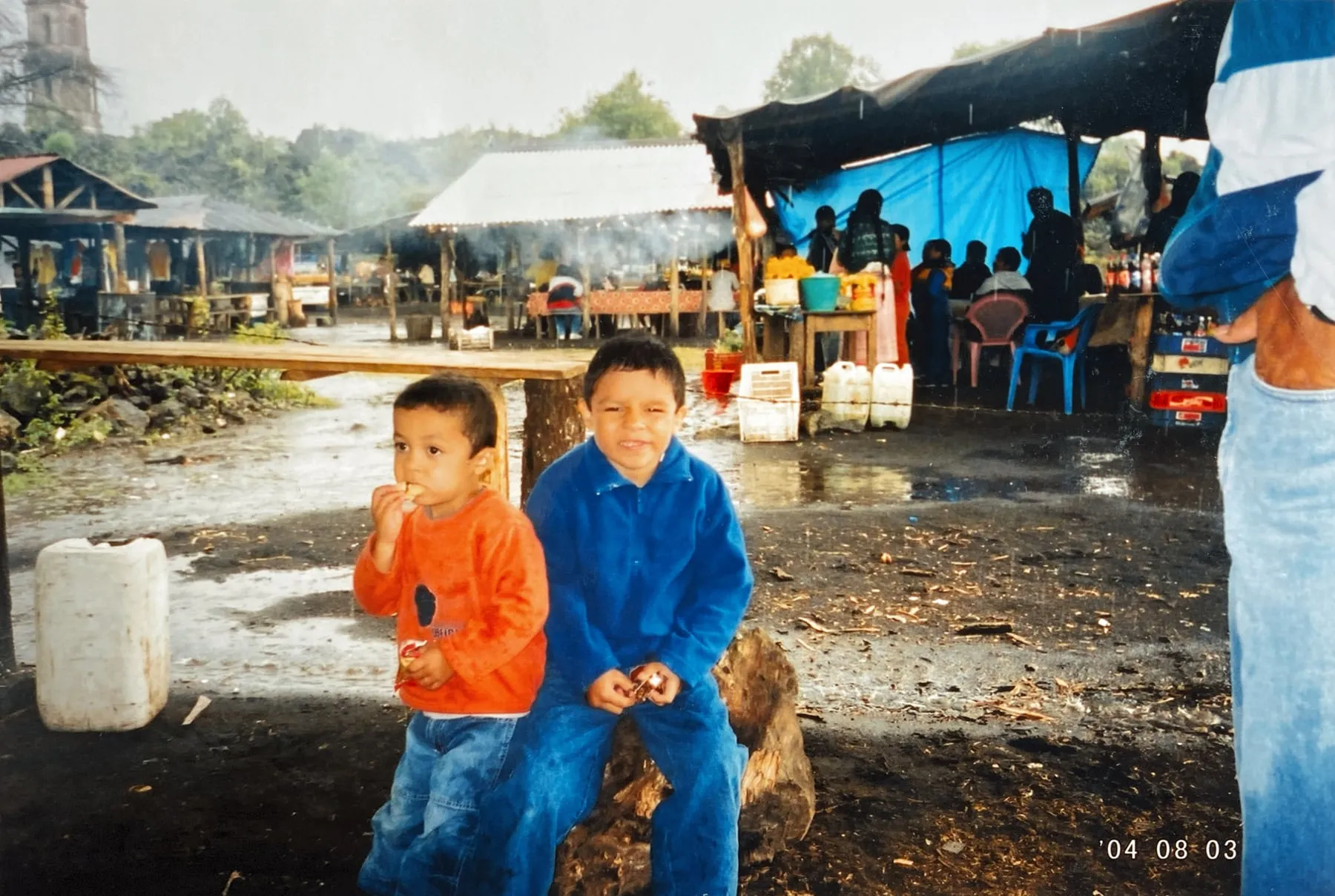
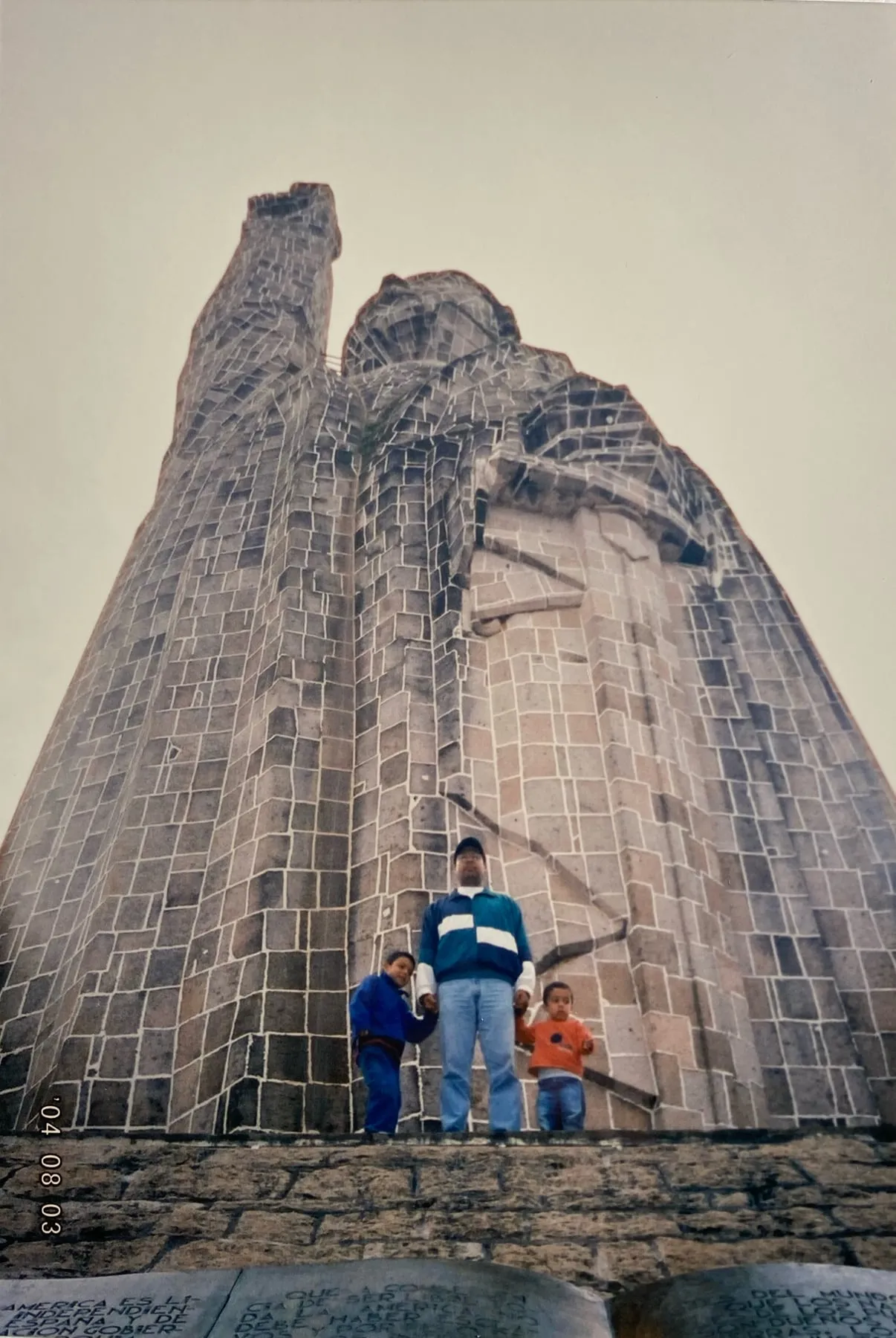
It’s a bittersweet memory. Later, as the violence in Mexico got worse, we stopped traveling to places like that, and our vacations were almost always at the beach. I think that’s part of why I love all of this.
Years later I went back, this time for work: I shot the Day of the Dead campaign for Dos Caras, a tequila brand.
Dos Caras
 012
 020
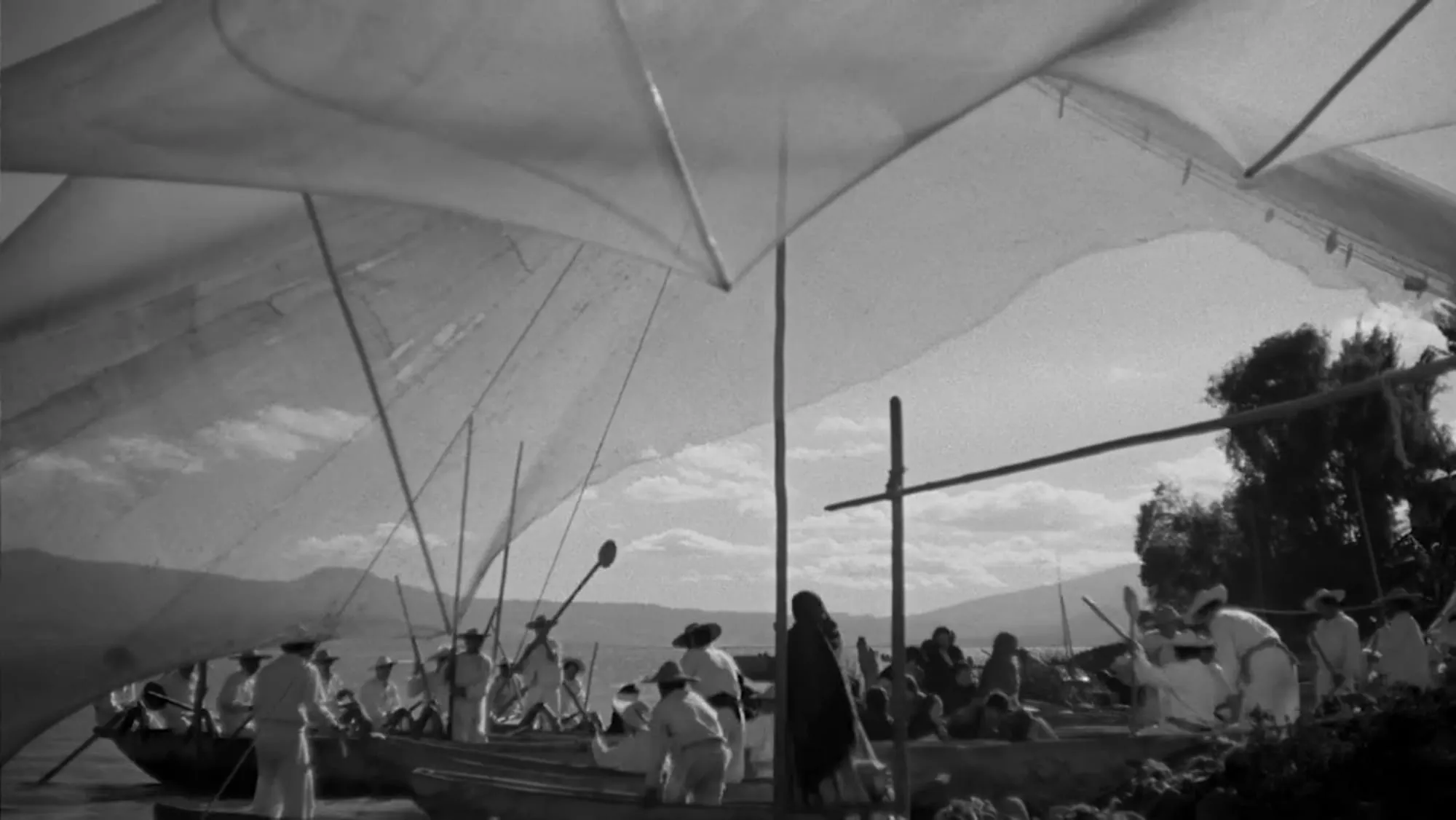
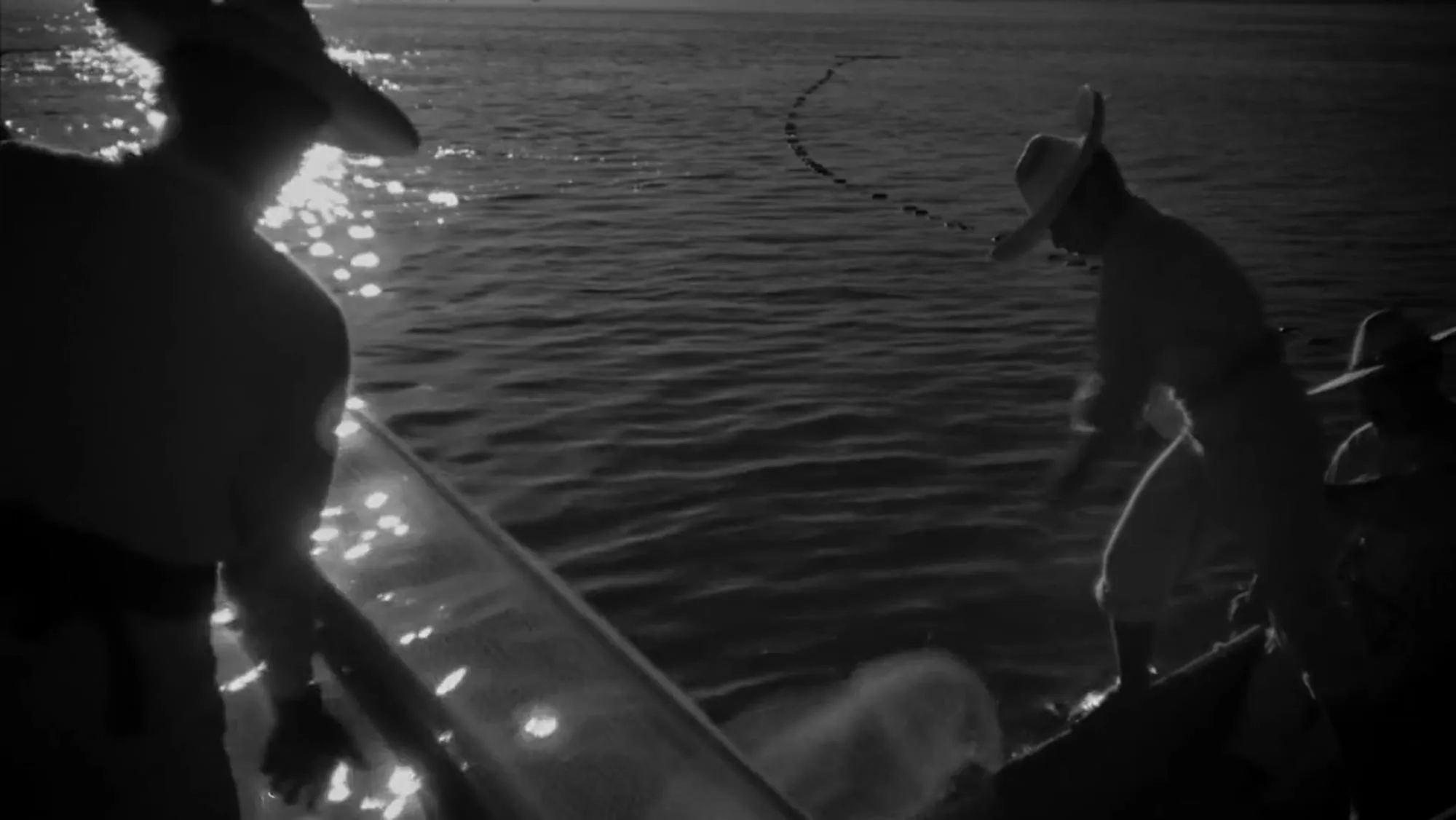
Unlike on my two visits, in Maclovia the nets are a big part of the landscape.
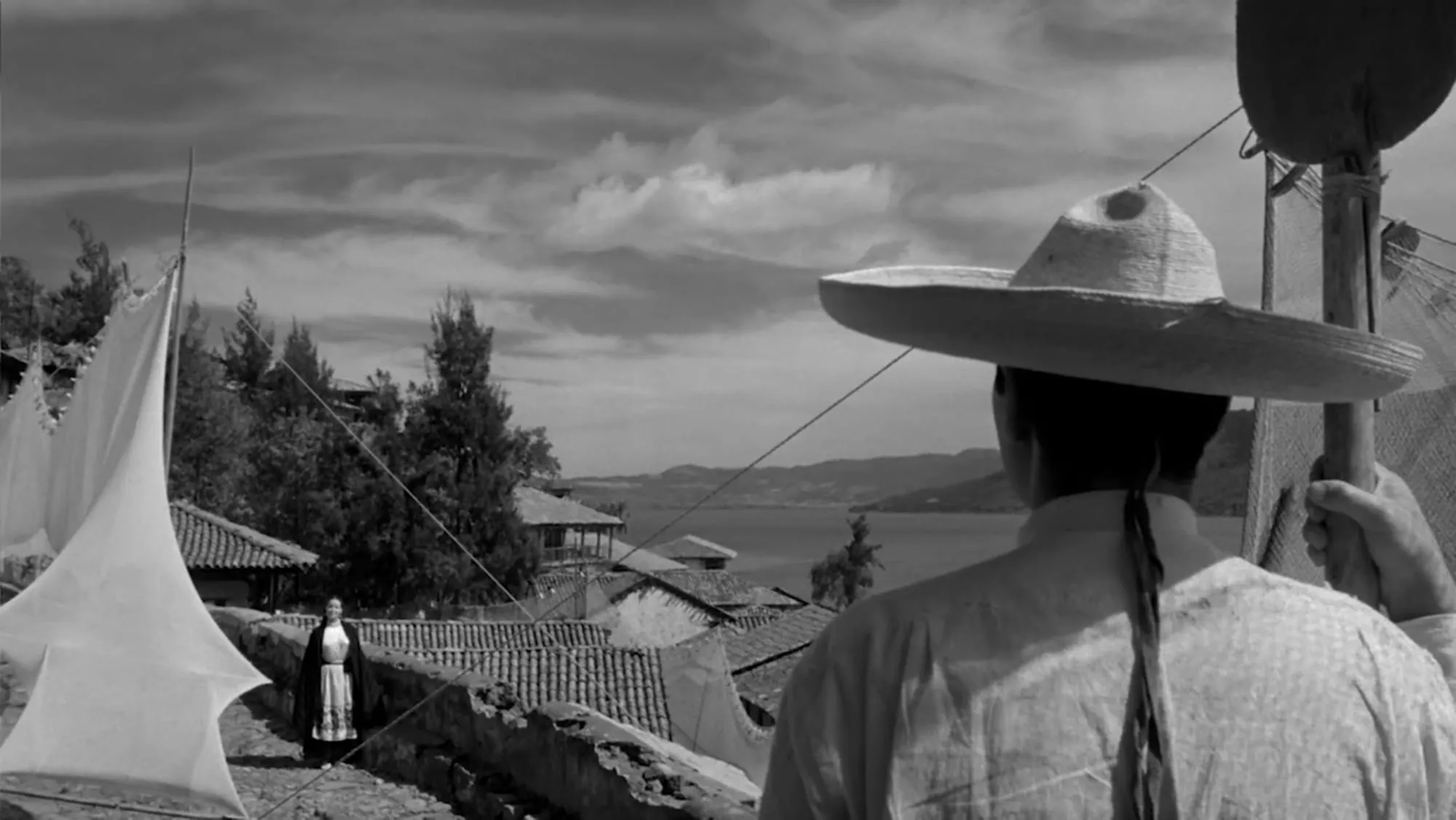
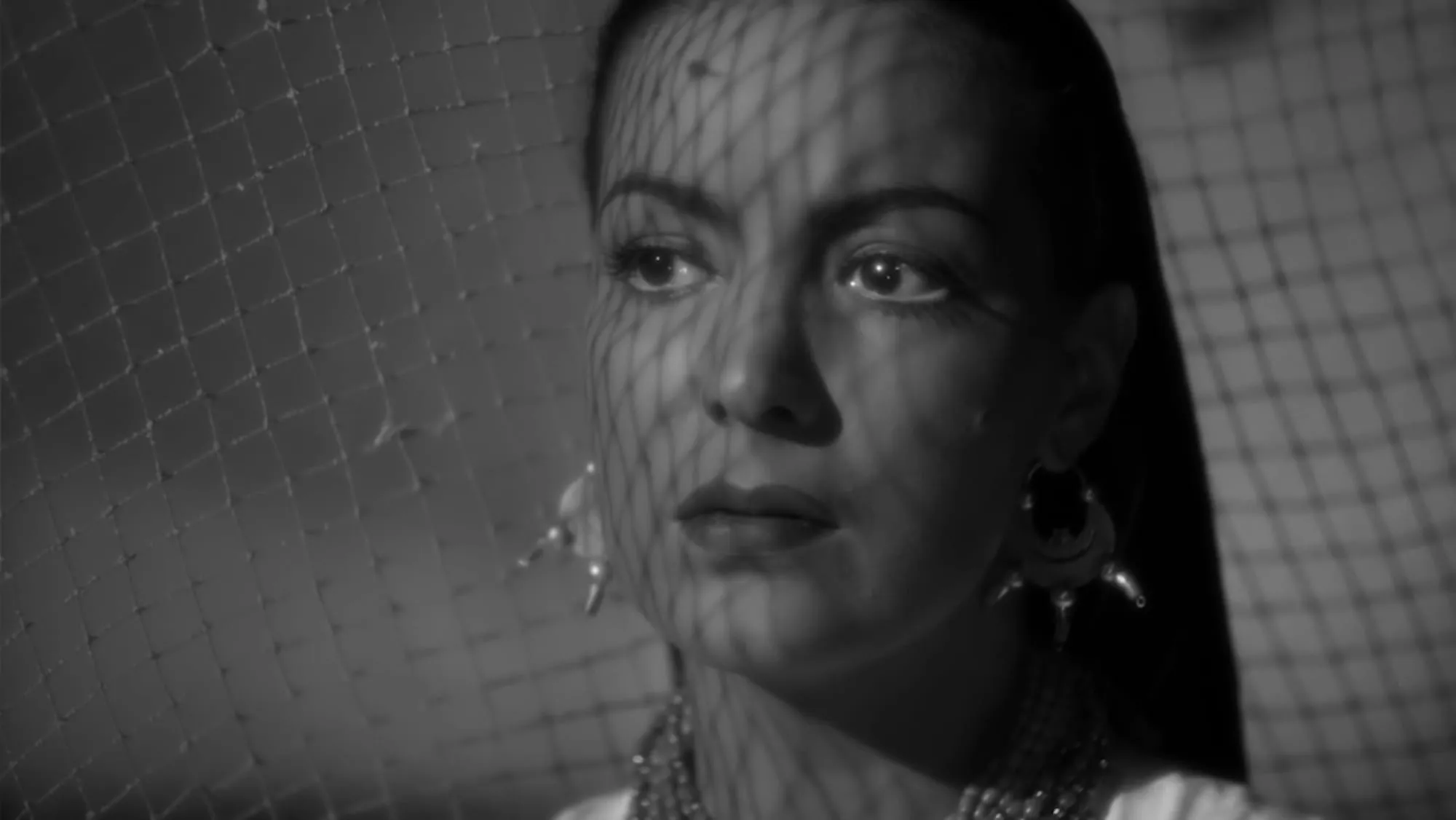
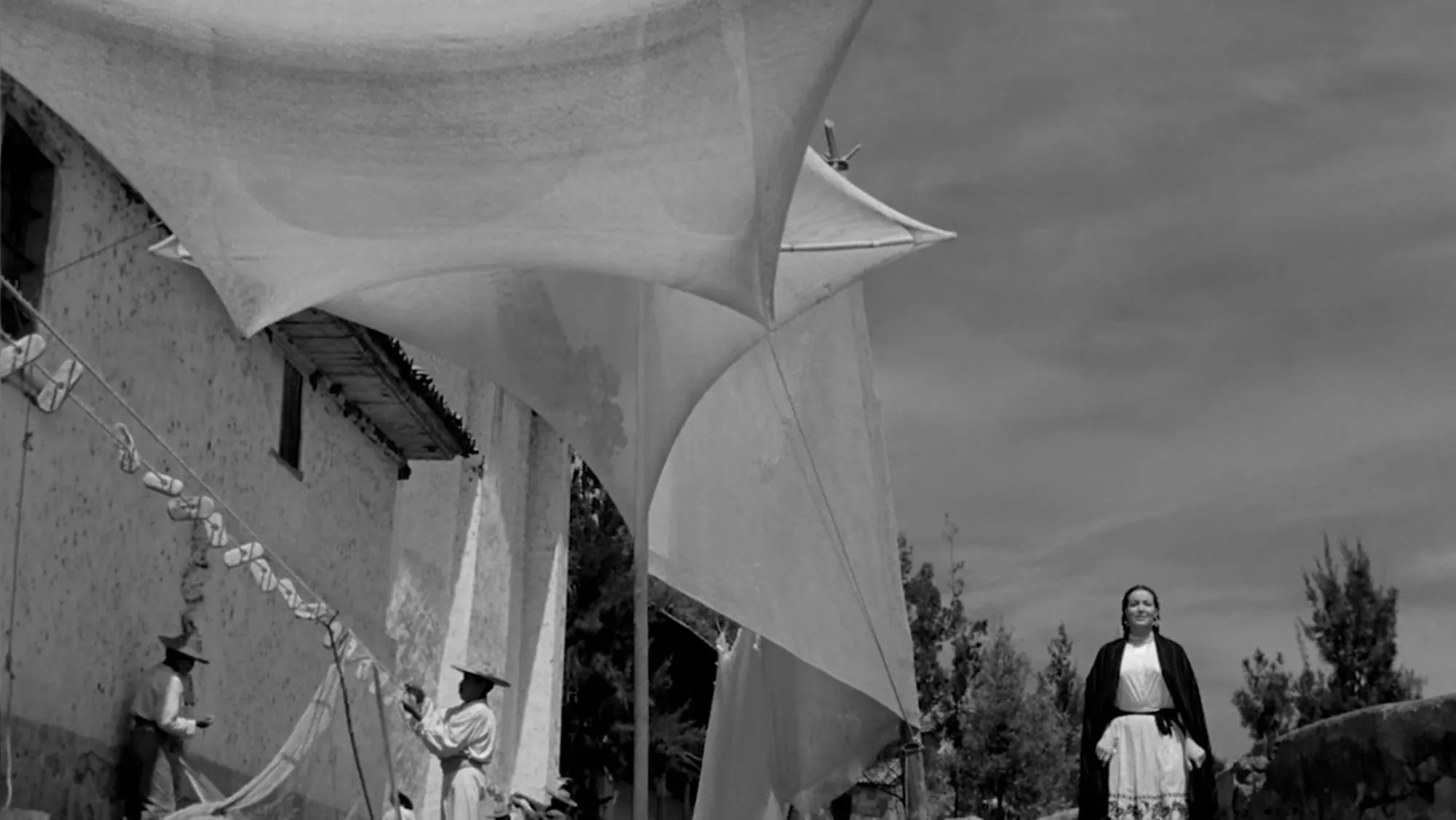
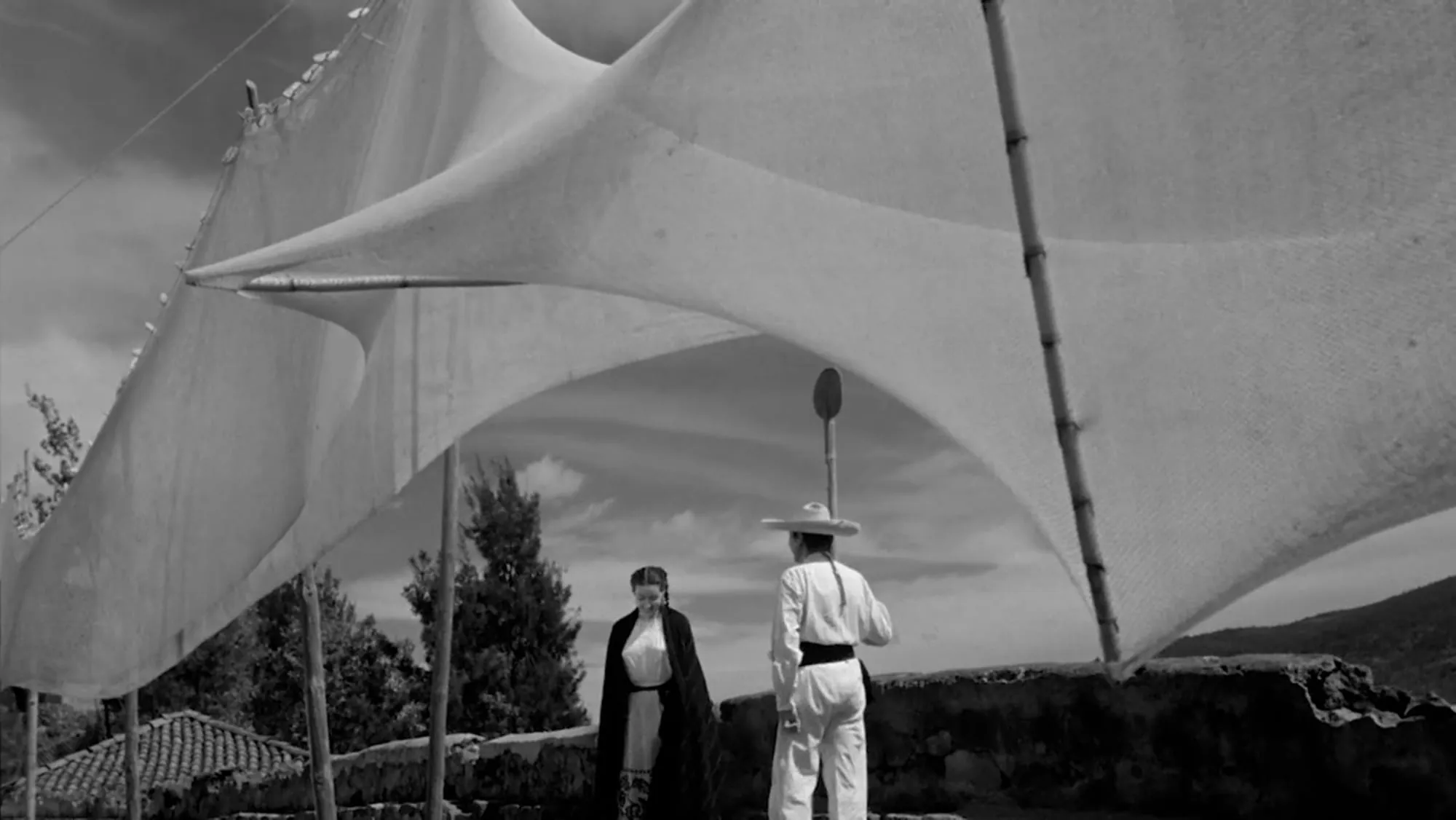
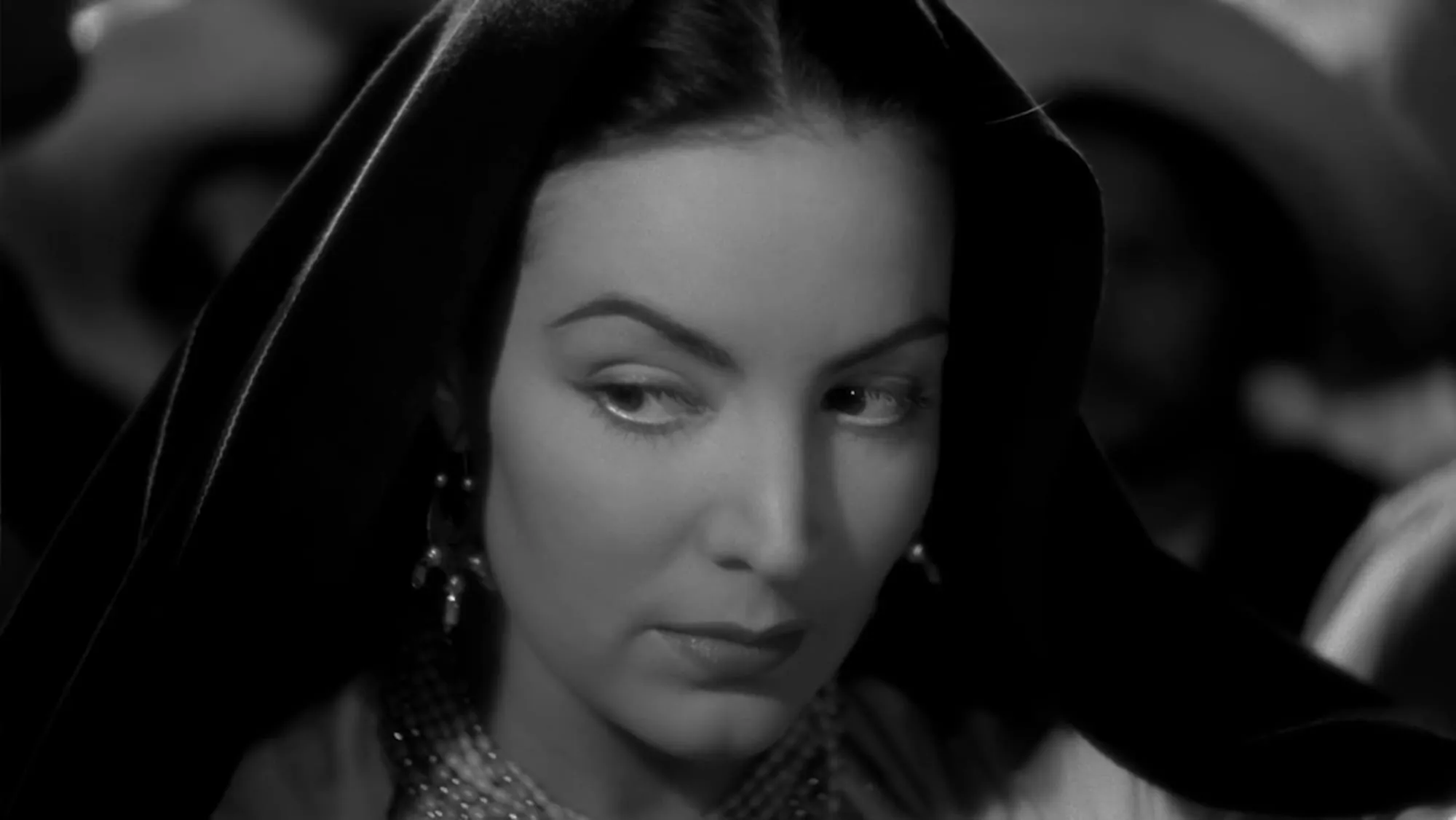
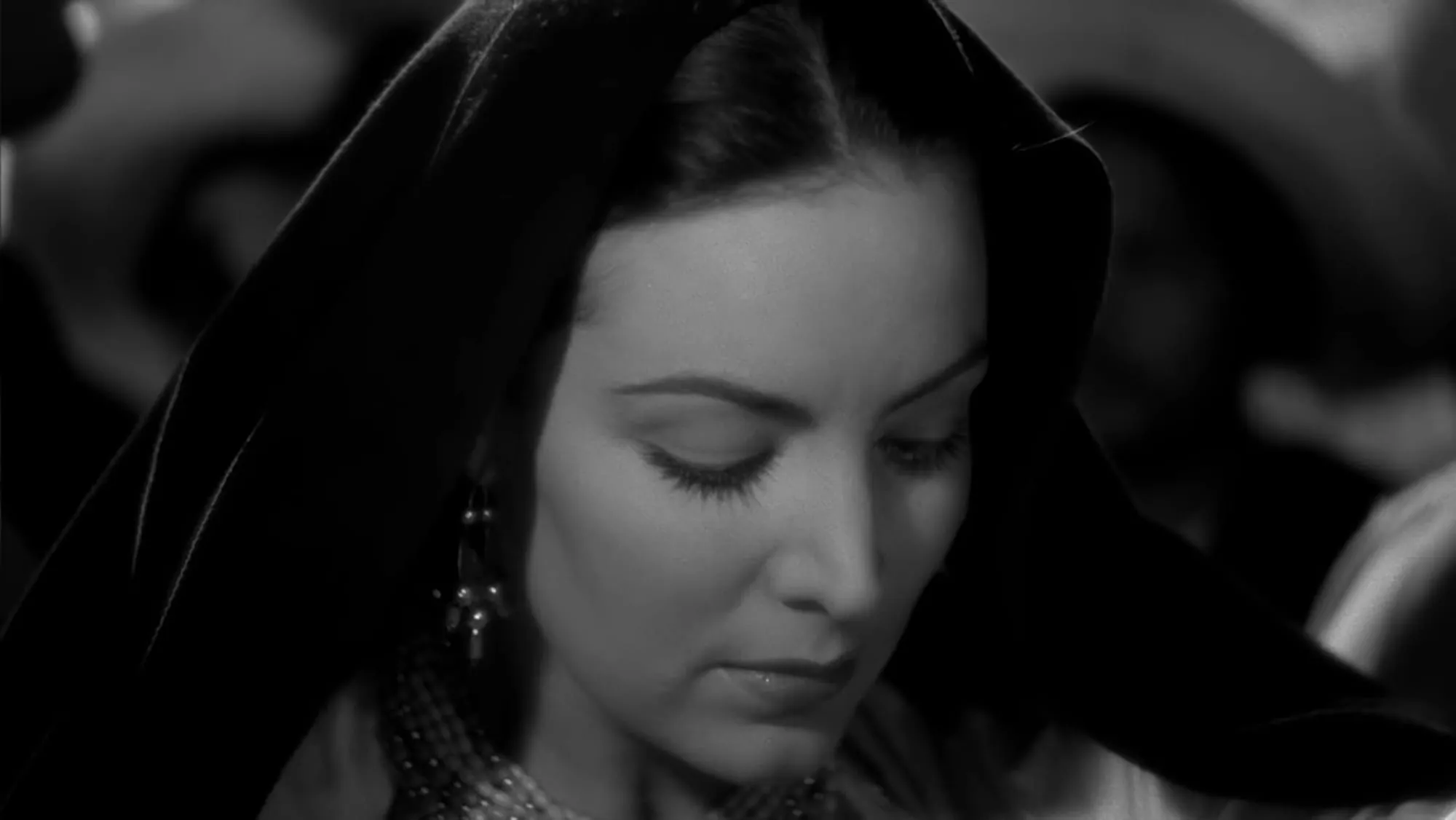
They’re everywhere. Drying like sails, hanging between the houses, draped over María Félix’s face.
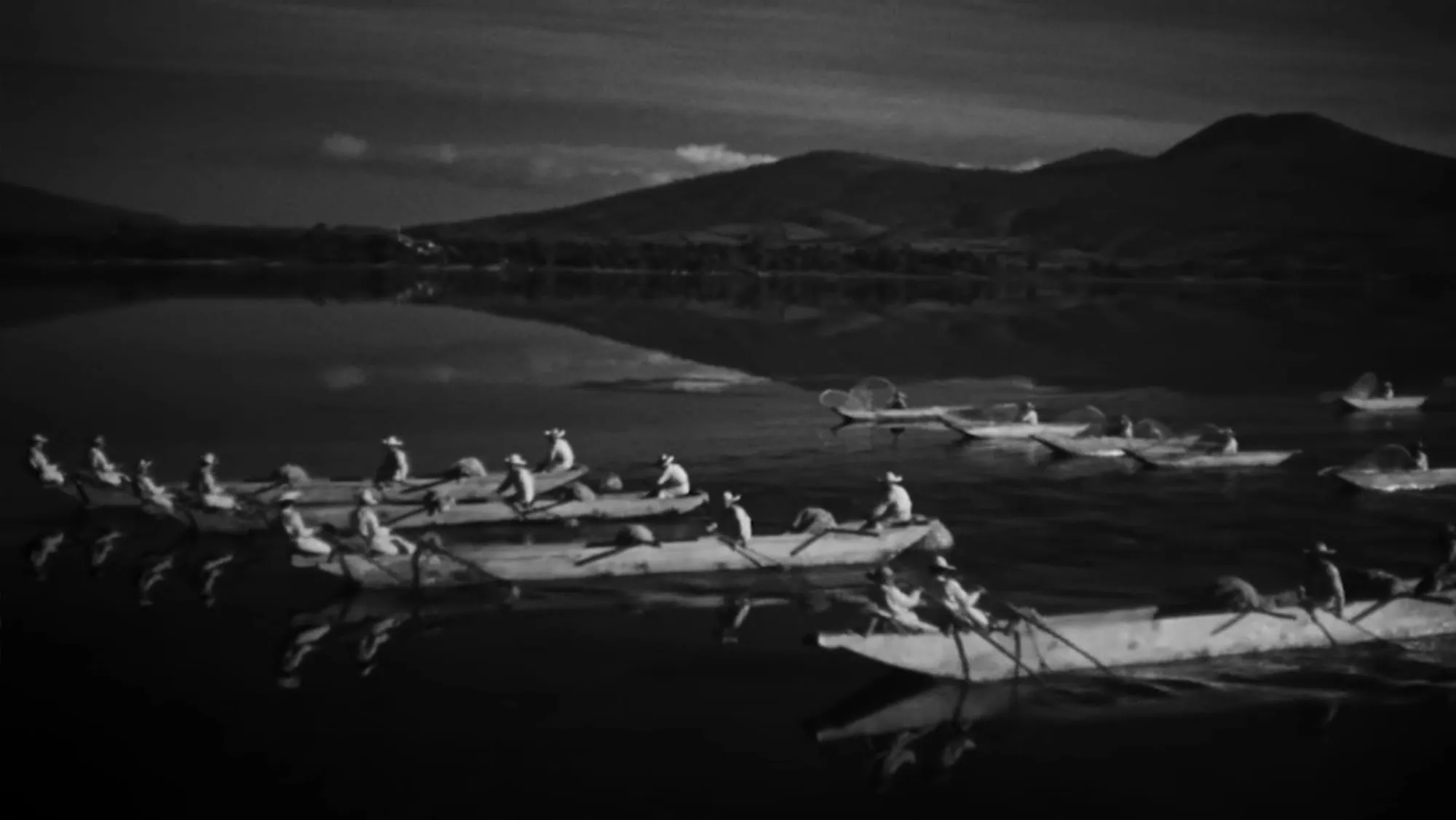
Butterfly-net fishing is still practiced on the lake, and in the film it’s part of daily life. The fishermen’s routine is one of the most beautiful things in it.
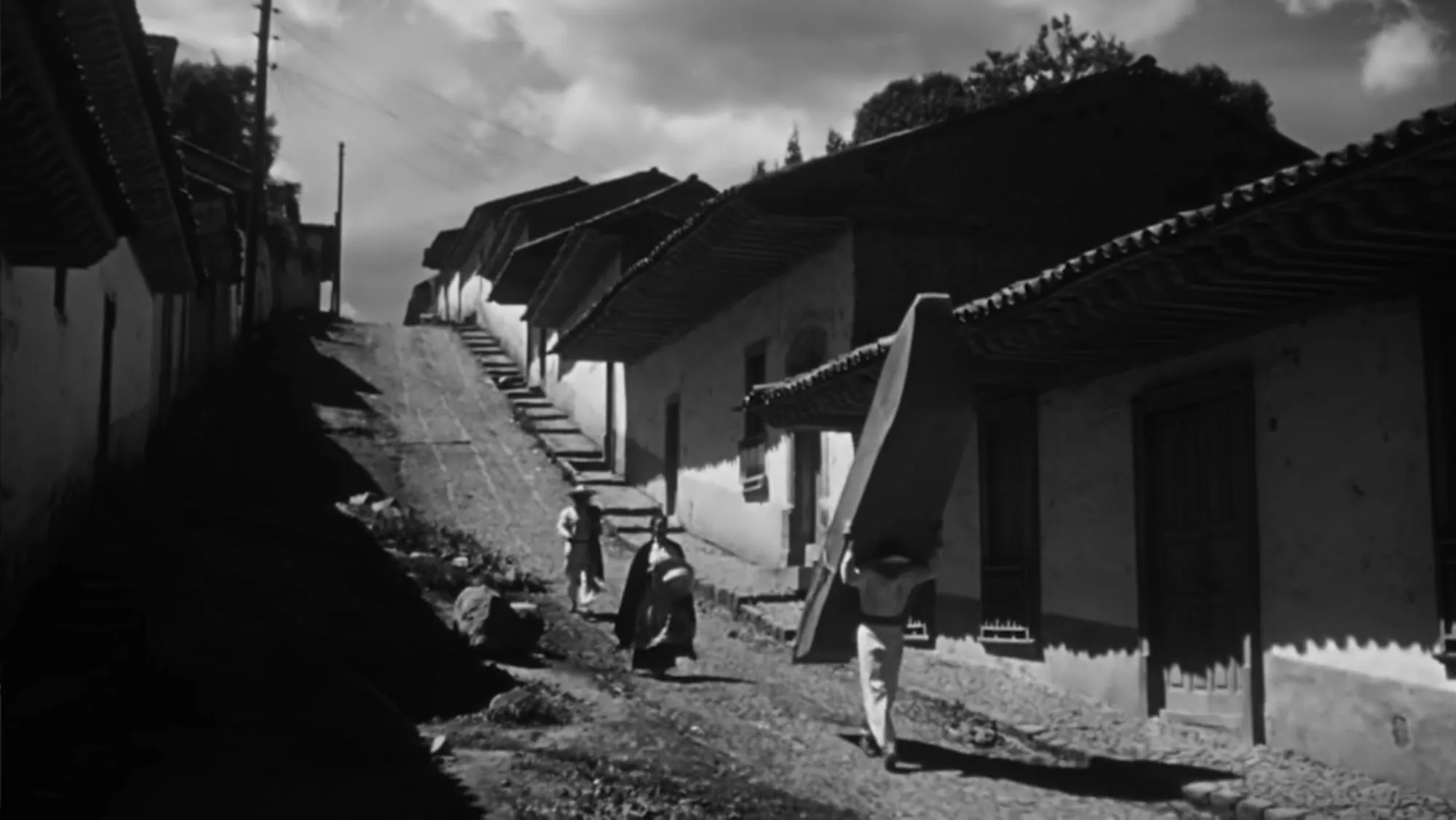
The black and white and the era give everything an aura. The textures, the roof tiles, the water. And the panoramic shots of the lake are gorgeous.
Don’t speak. Don’t look.
 014
 009
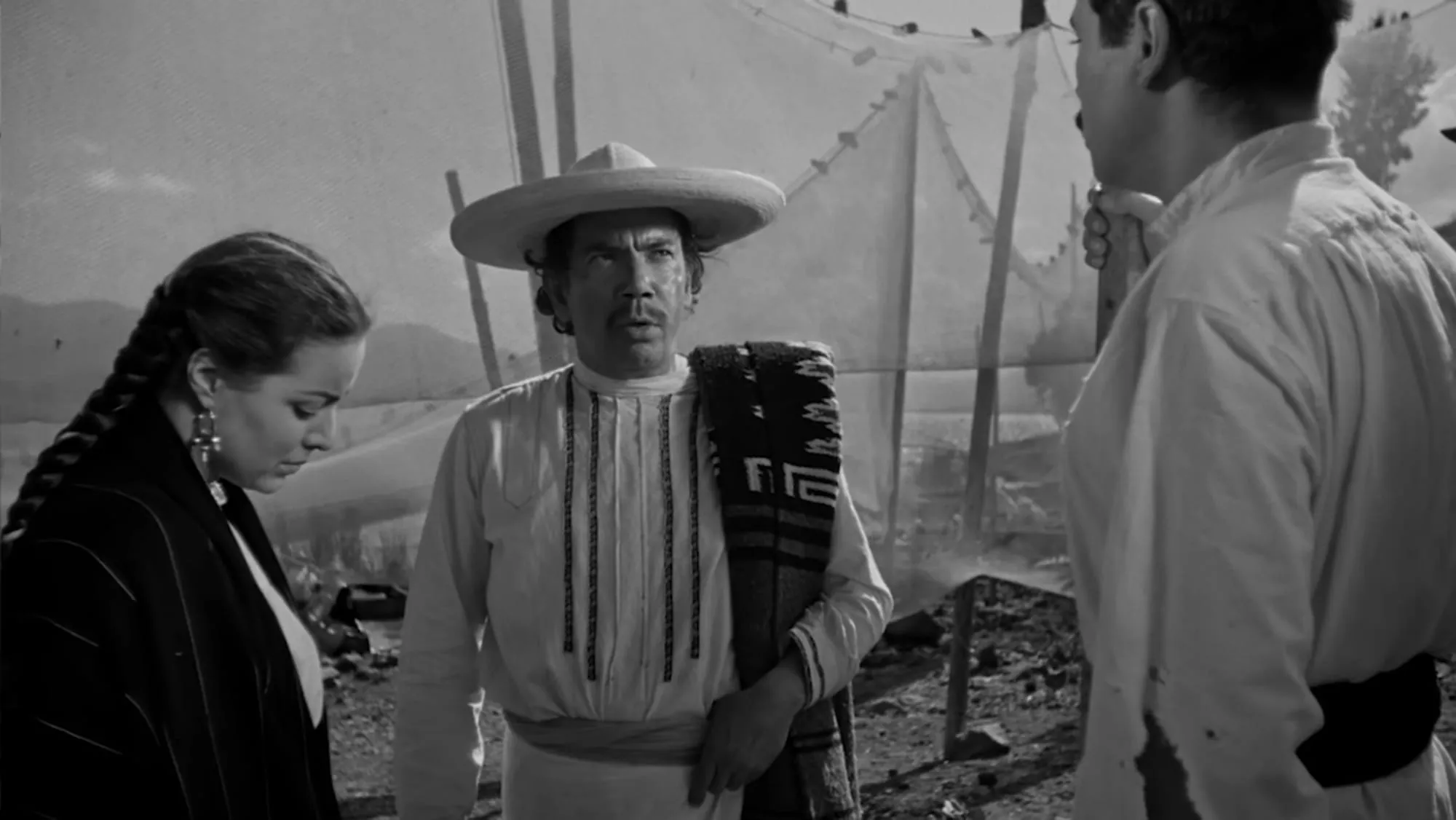
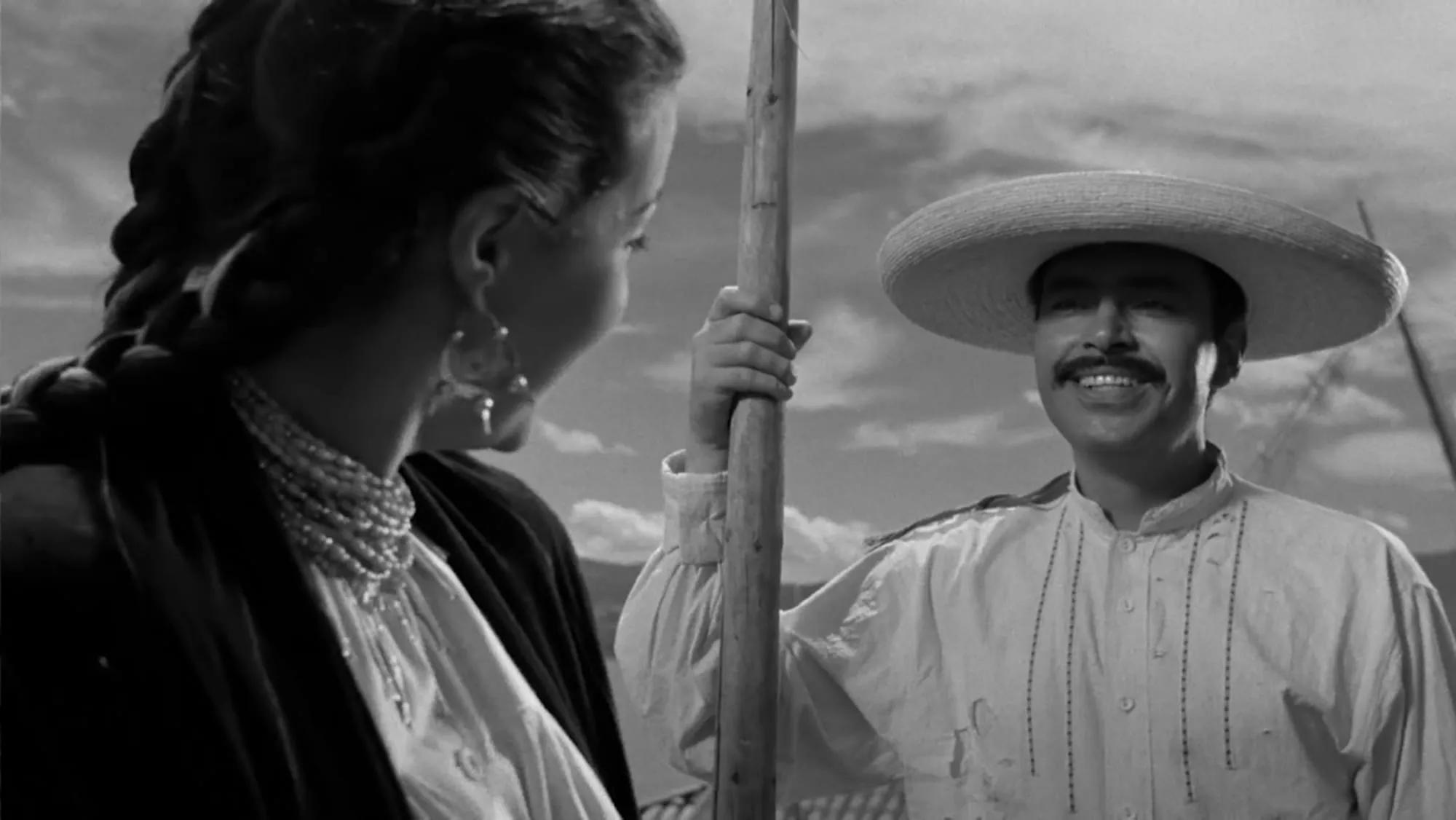
José María and Maclovia are in love. But Tata Macario, her father, holds her up high and wants something better for his daughter.
The first time we see him, they’re on their way back from church. And the first thing he does is forbid:
“I don’t want you to speak to my daughter again.”
José María obeys. He doesn’t speak to her.
But he looks at her.
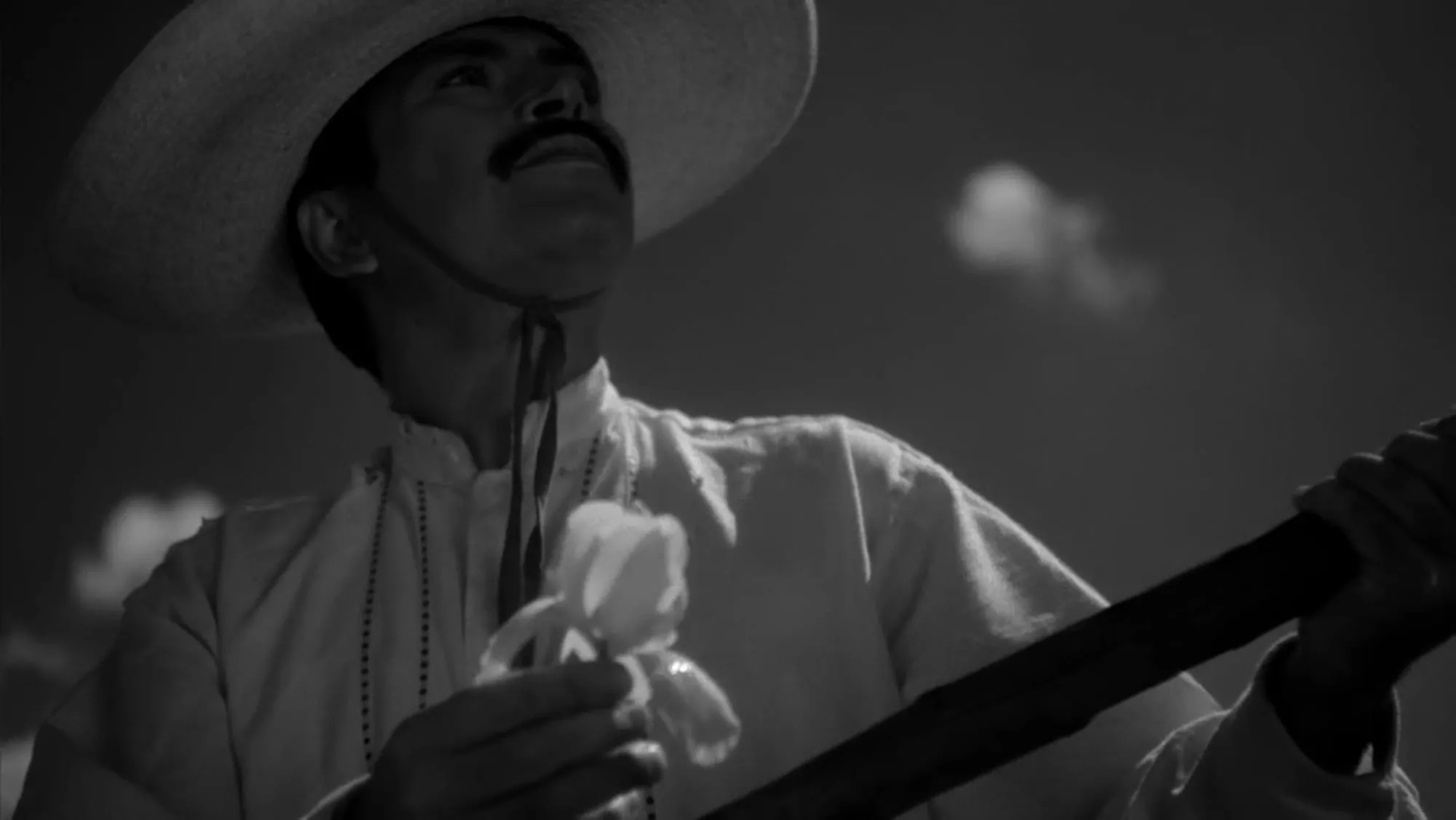
A few scenes later he offers Maclovia a flower right in front of him, and Tata Macario raises the stakes:
“Today I forbid you not only to speak to her again, but even to look at her. Because the eyes say more than words.”
That’s the whole film, right there.
From words to eyes.
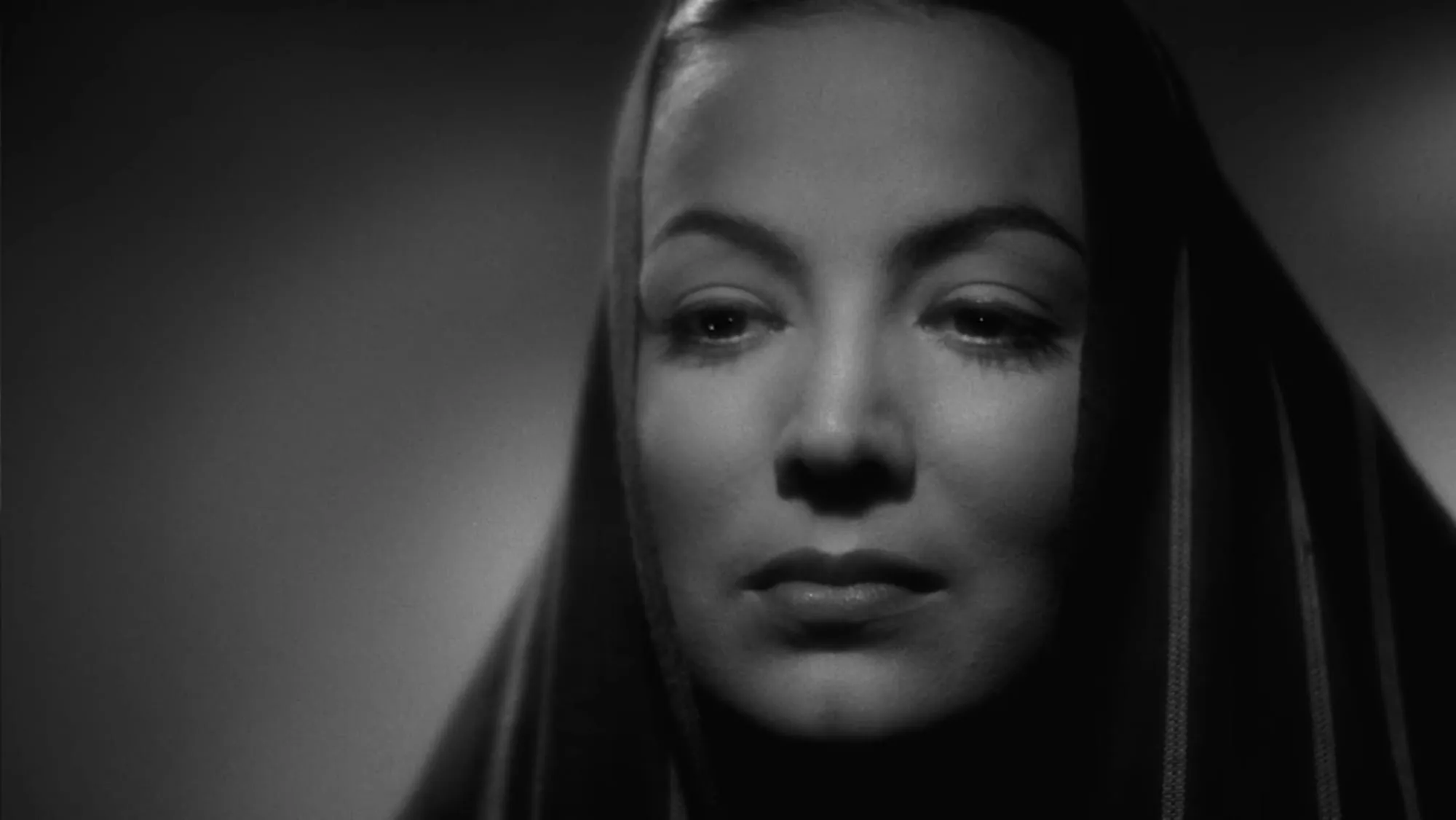
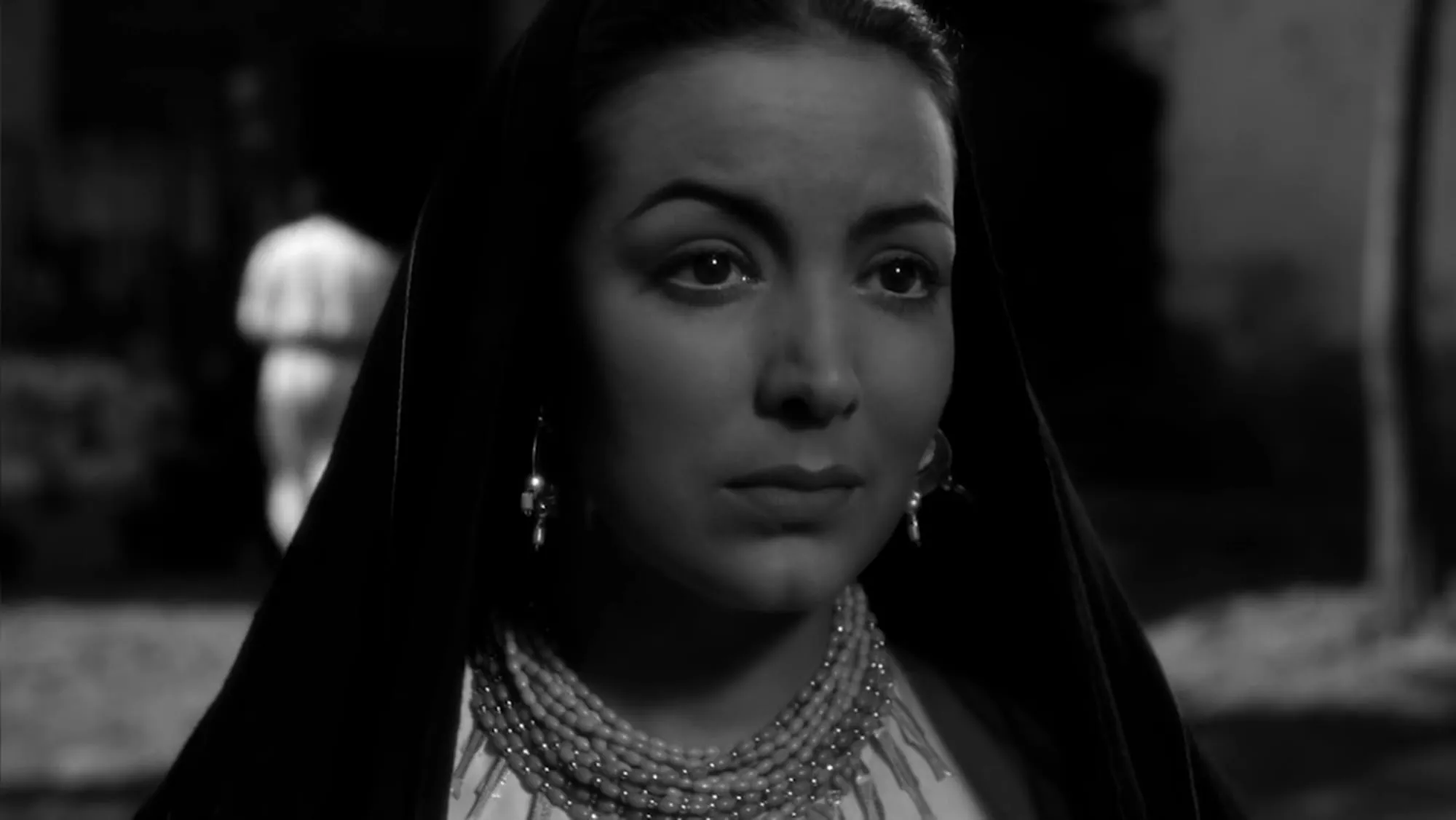
Maclovia is a film of glances: who gets to look at whom, who is forbidden to, and what happens when they look anyway.
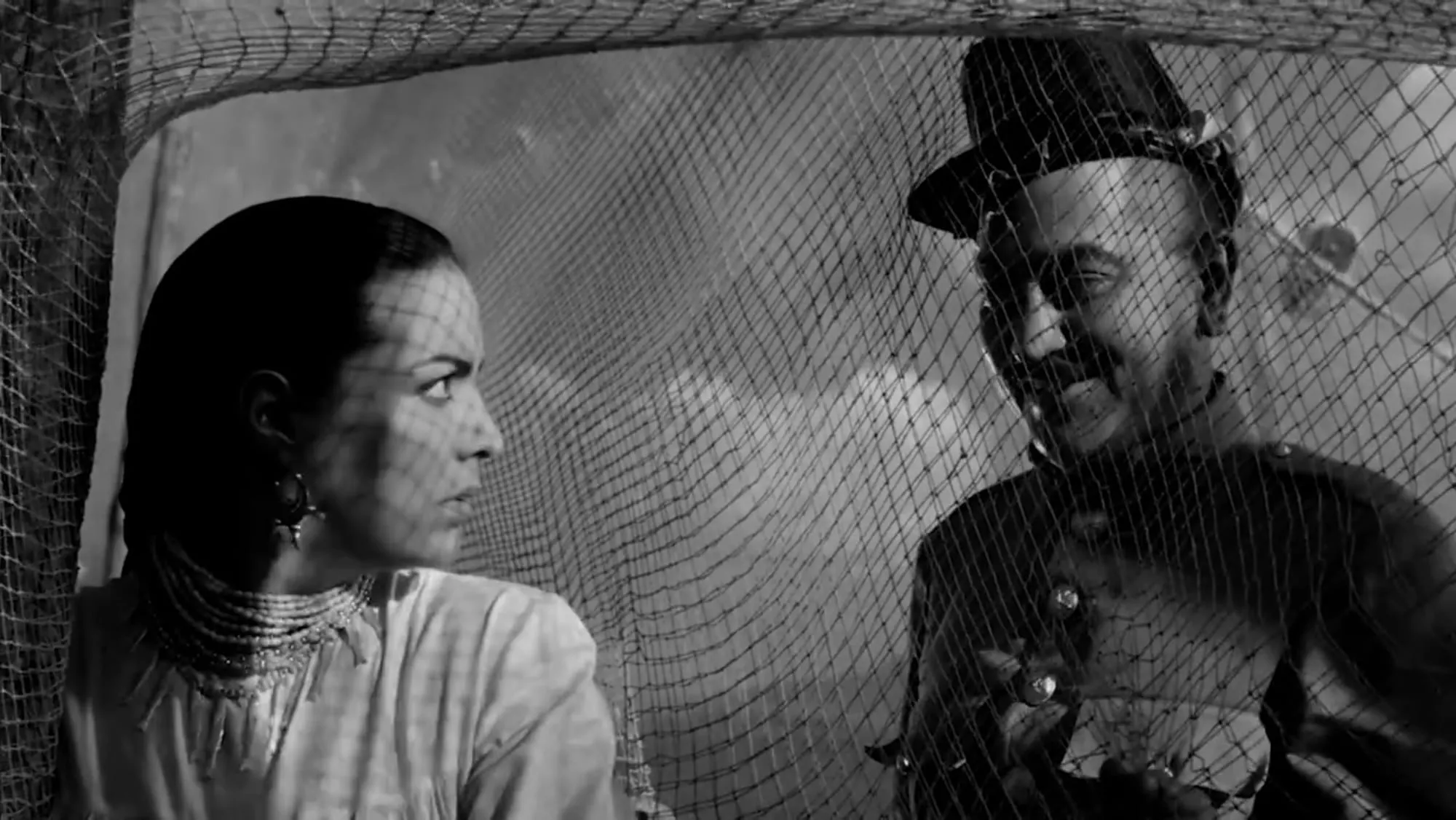
And Gabriel Figueroa shoots it that way. The characters are almost never seen cleanly: there’s always a net, a rebozo, bars or a shadow in between.
Looking is desire, punishment and threat.
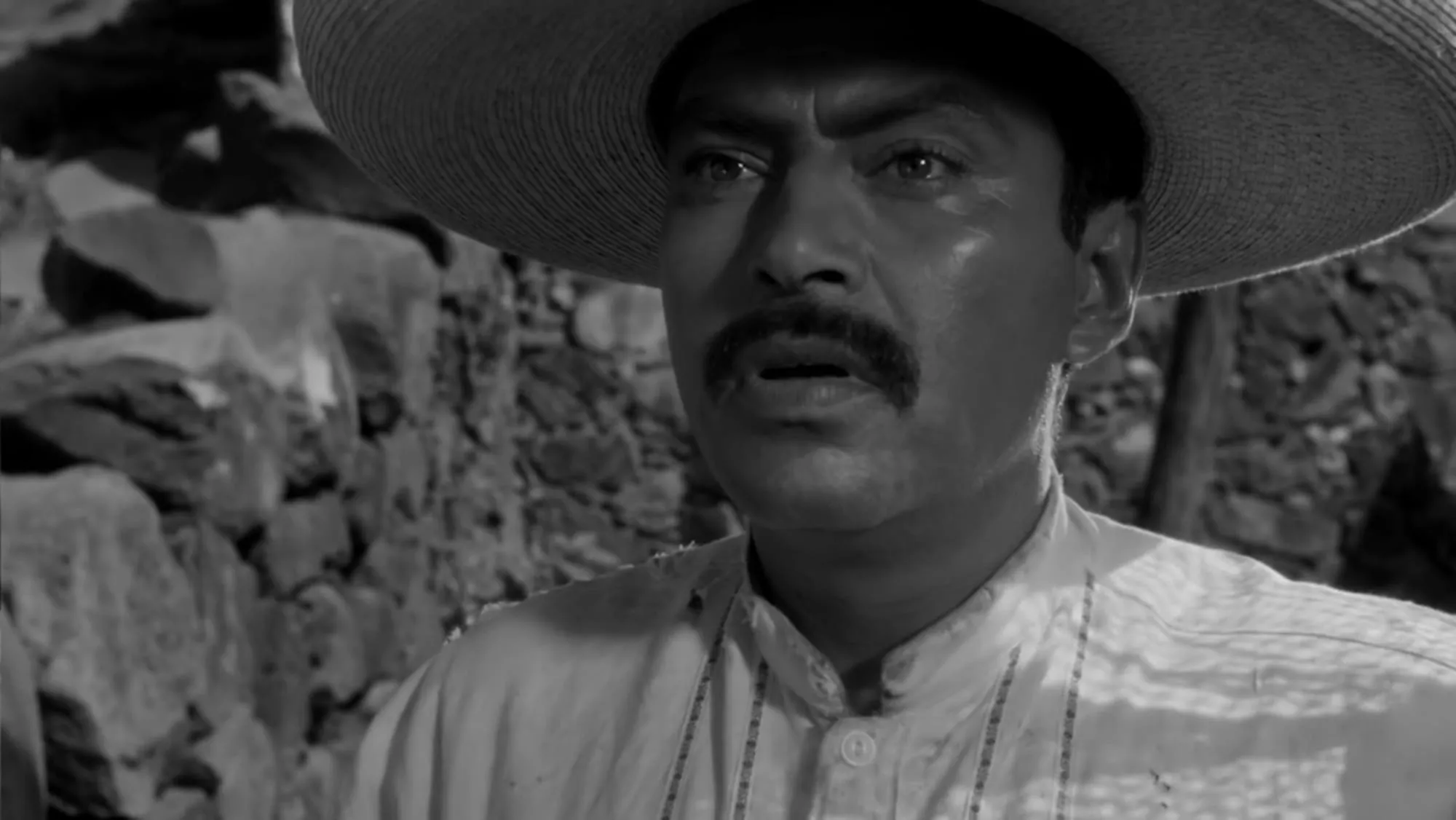
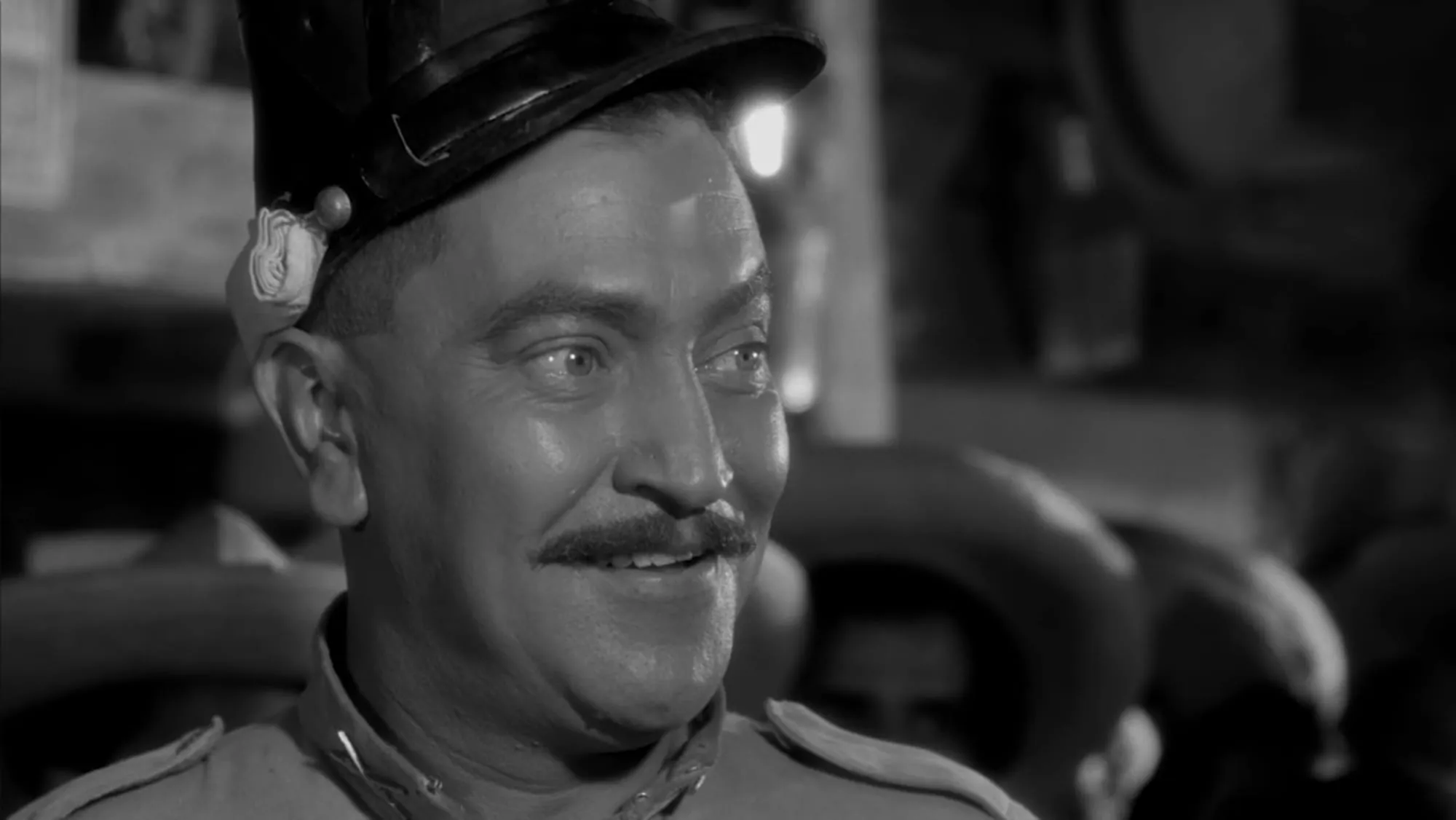
The sergeant looks at Maclovia “with eyes that lead him on.” He brags about his own “light eyes.” And it’s that gaze, “the wickedness of his tiger eyes,” that finally opens Tata Macario’s eyes.
 048057
Passing
My favorite scene has no dialogue.
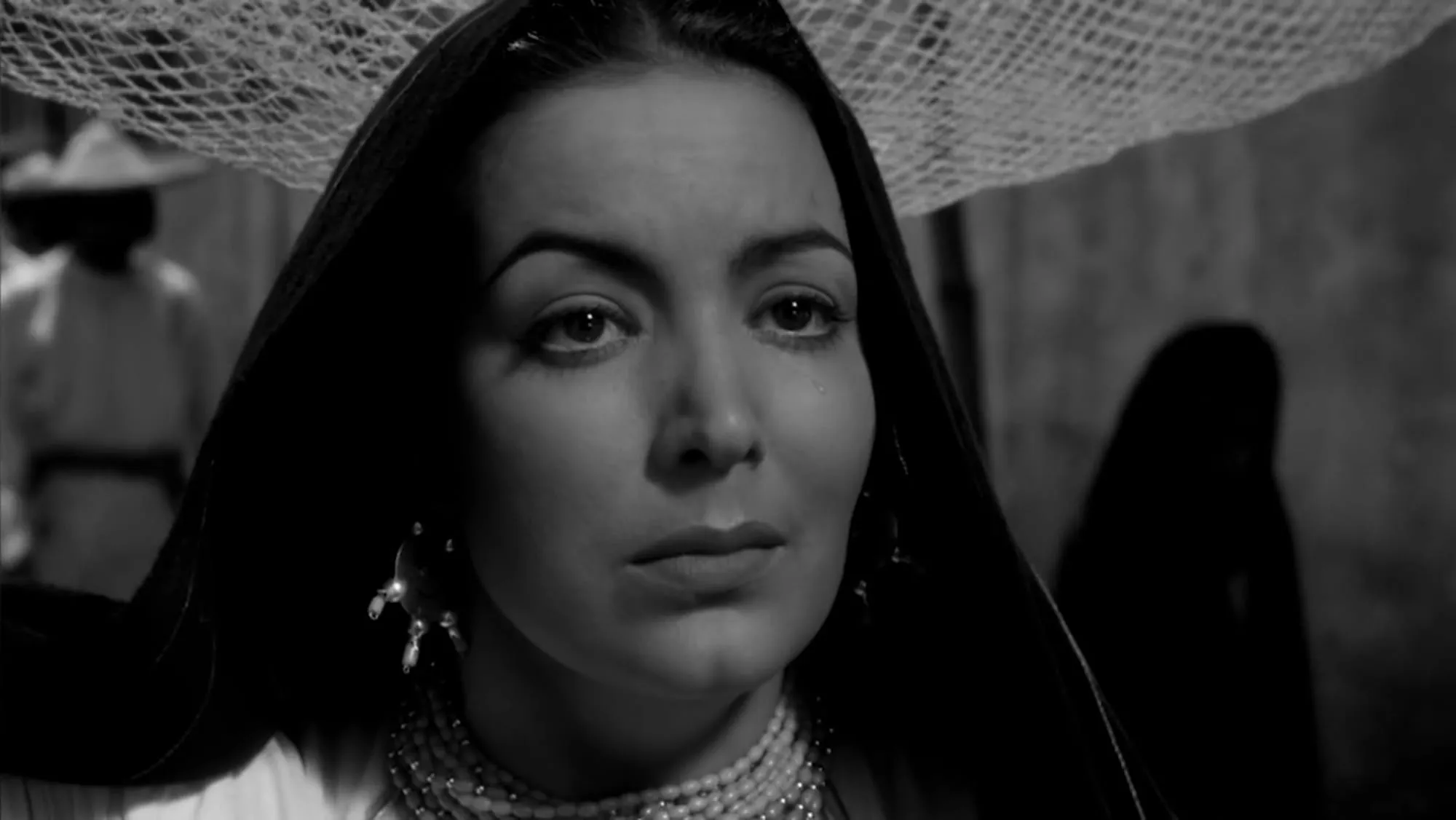
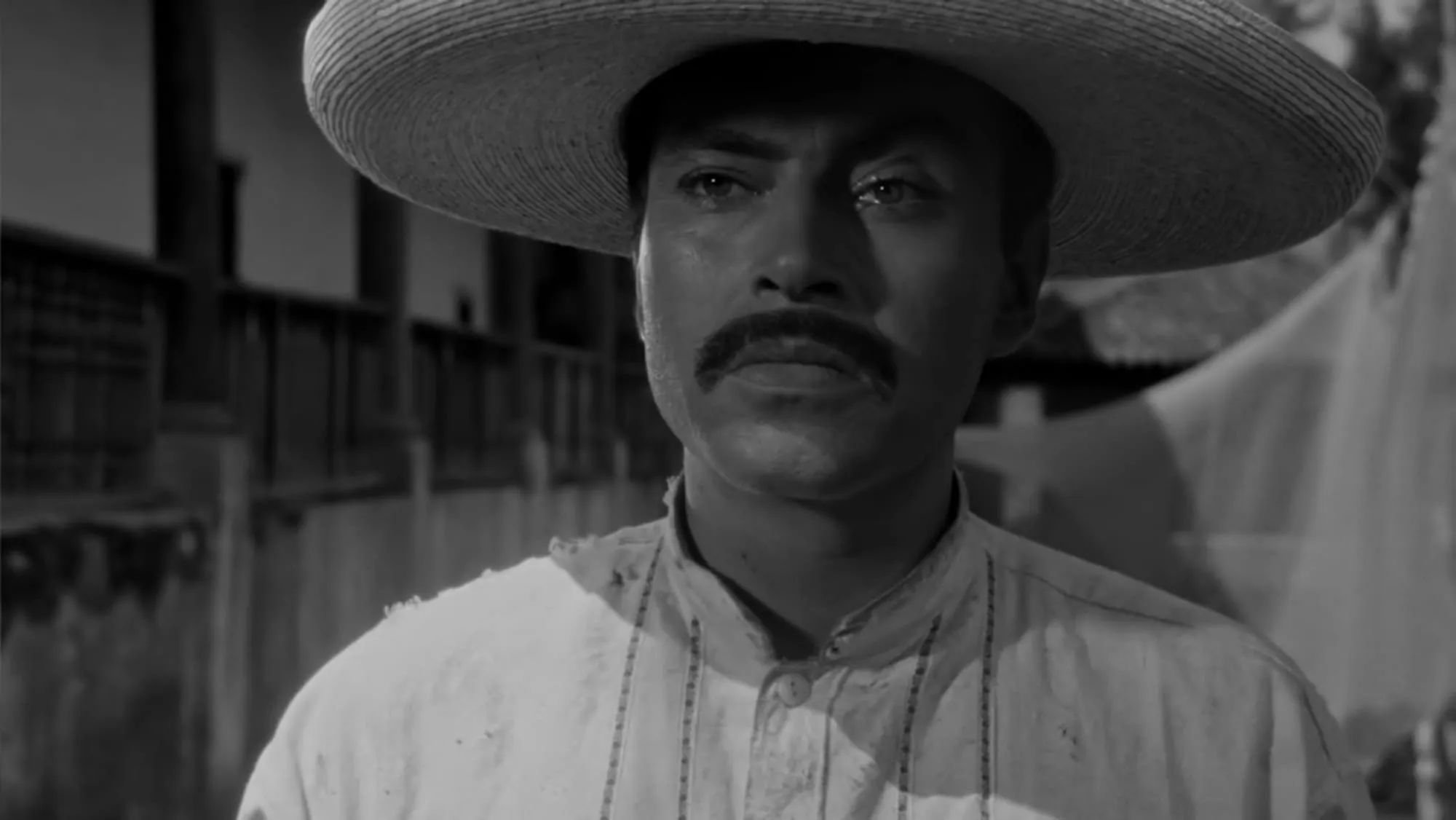
Tata Macario and Maclovia come out of church and run into José María. Their eyes meet for an instant. Since that’s already forbidden, they lower their gaze, keep walking and pass each other.
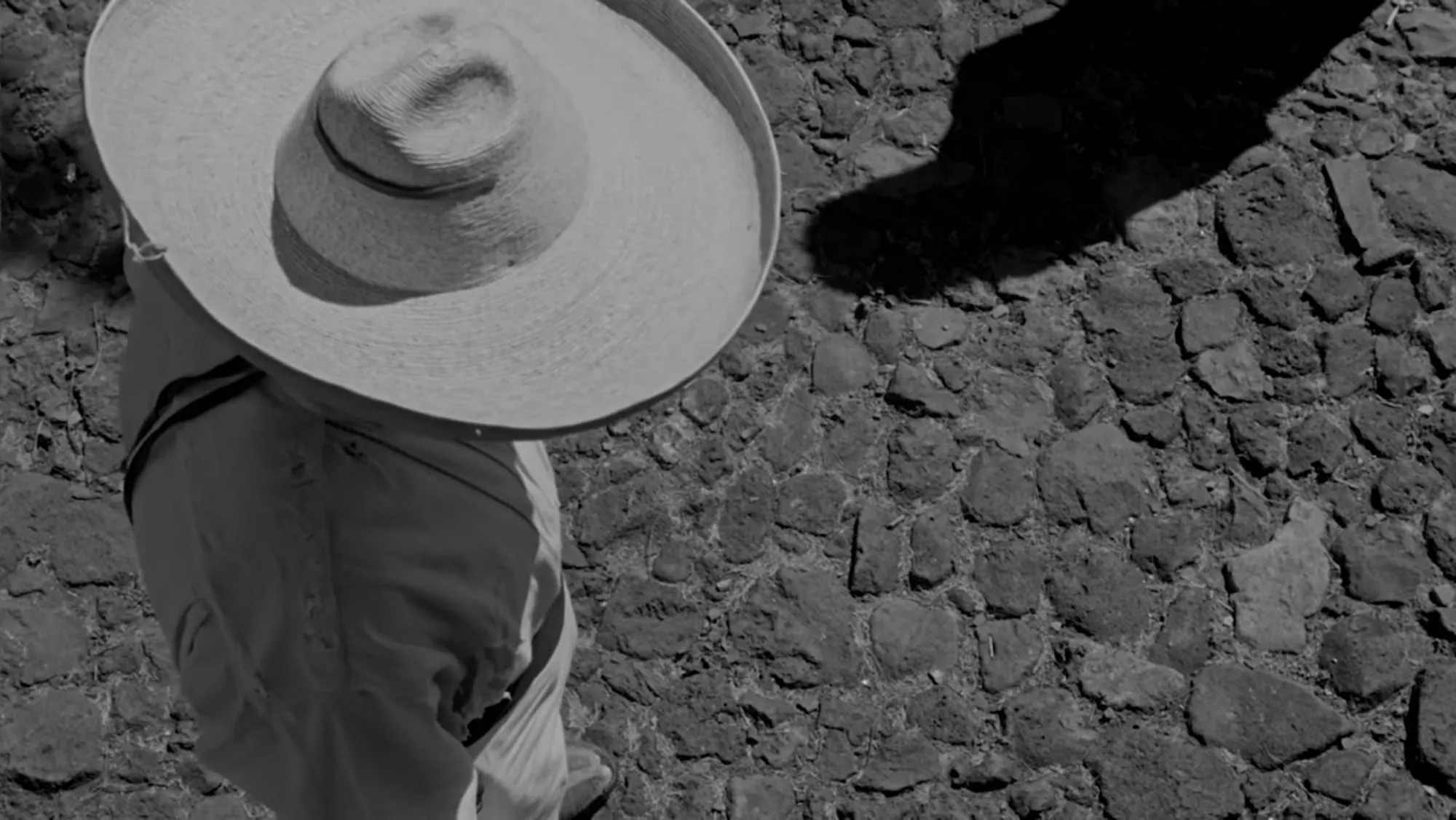
Her shadow passes right beside him. They don’t touch, they don’t look.
They’re a step away from each other and can’t even turn their heads. He holds back the urge to follow her with his eyes; she walks with her eyes on the ground. Everything they feel fits in that silence.
“Your shadow passed so close to me that I felt it grow and get into my heart.”
 060
 061
Looking without seeing
Each one goes their own way. And then the film cheats, in the good way: it cuts back and forth between their faces as if they were face to face, looking at each other, even though each of them is already somewhere else.
They see each other with the eyes inside.
The letter
José María can’t write. So he goes to school, sits in the back with the kids and learns. All so he can send letters to the woman he isn’t even allowed to look at.
He dictates the first one to the teacher.
Maclovia can’t read either. So she takes it to the same teacher and asks him to teach her. He tells her that takes a long time, but he can read it to her.
He starts reading in his own voice. And after the first few words, the voice turns into José María’s.
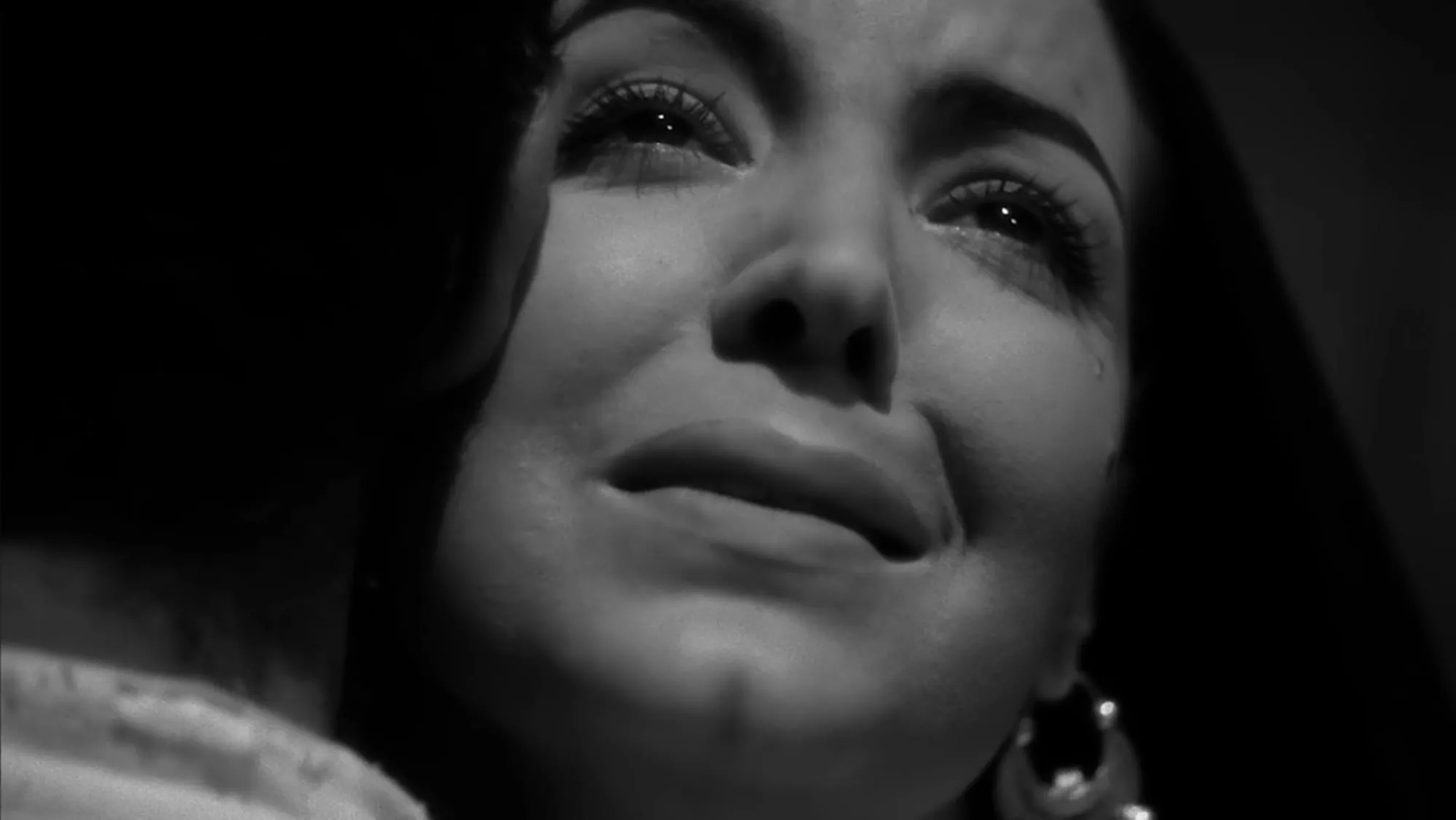
And the camera stays on María Félix. Shot after shot, with the tears.
I did shed a little tear.
My dearest Maclovia:
I am going to school so I can deserve you. When I go fishing, all I do is think of you. With you so close, I can’t see you.
The other day I saw your shadow. It passed so close to me that I felt it grow and get into my heart. That’s when I understood why God gave our bodies shadows: so I could look at yours when you pass by, Maclovia.
I see you always, always, at every hour and everywhere, with the eyes in here. I see you, I hear you in the songs of the little birds, in the wind when it blows across the lake, in the sun, in the stars, in everything where no one can keep me from seeing you and hearing you.
I know you are far above me and I don’t deserve you, but is it the poor dry tree’s fault that it fell in love with the moon?
Isn’t it so? It hurts so much to love each other this much, Maclovia. As if so much love didn’t fit inside a person; that’s why it hurts.
I am very sad. I think of you.
Later I copied it out by hand.
And when I wrote it, instead of Maclovia, without thinking, I wrote Aranzazu.
Authentic gazes
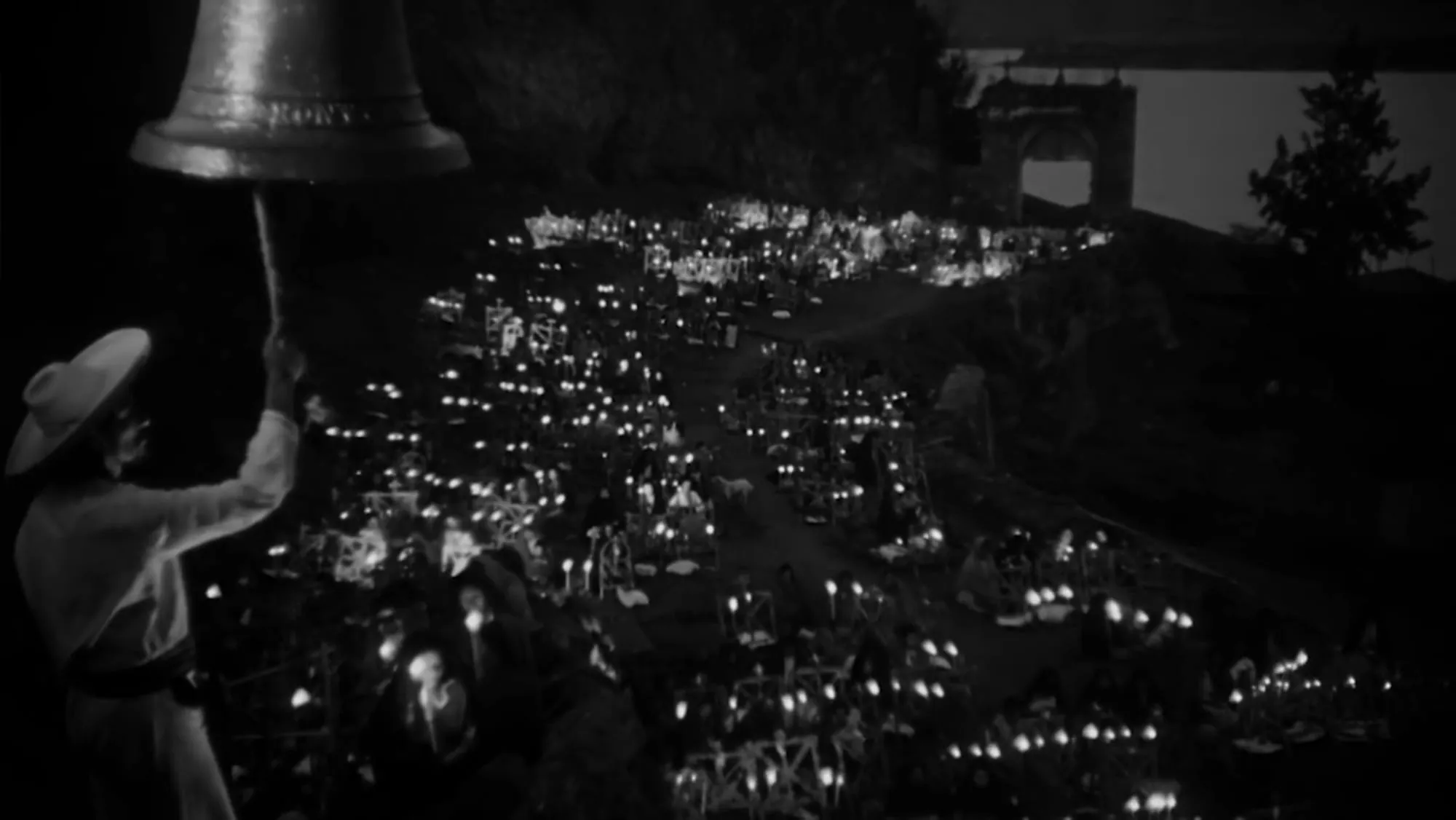
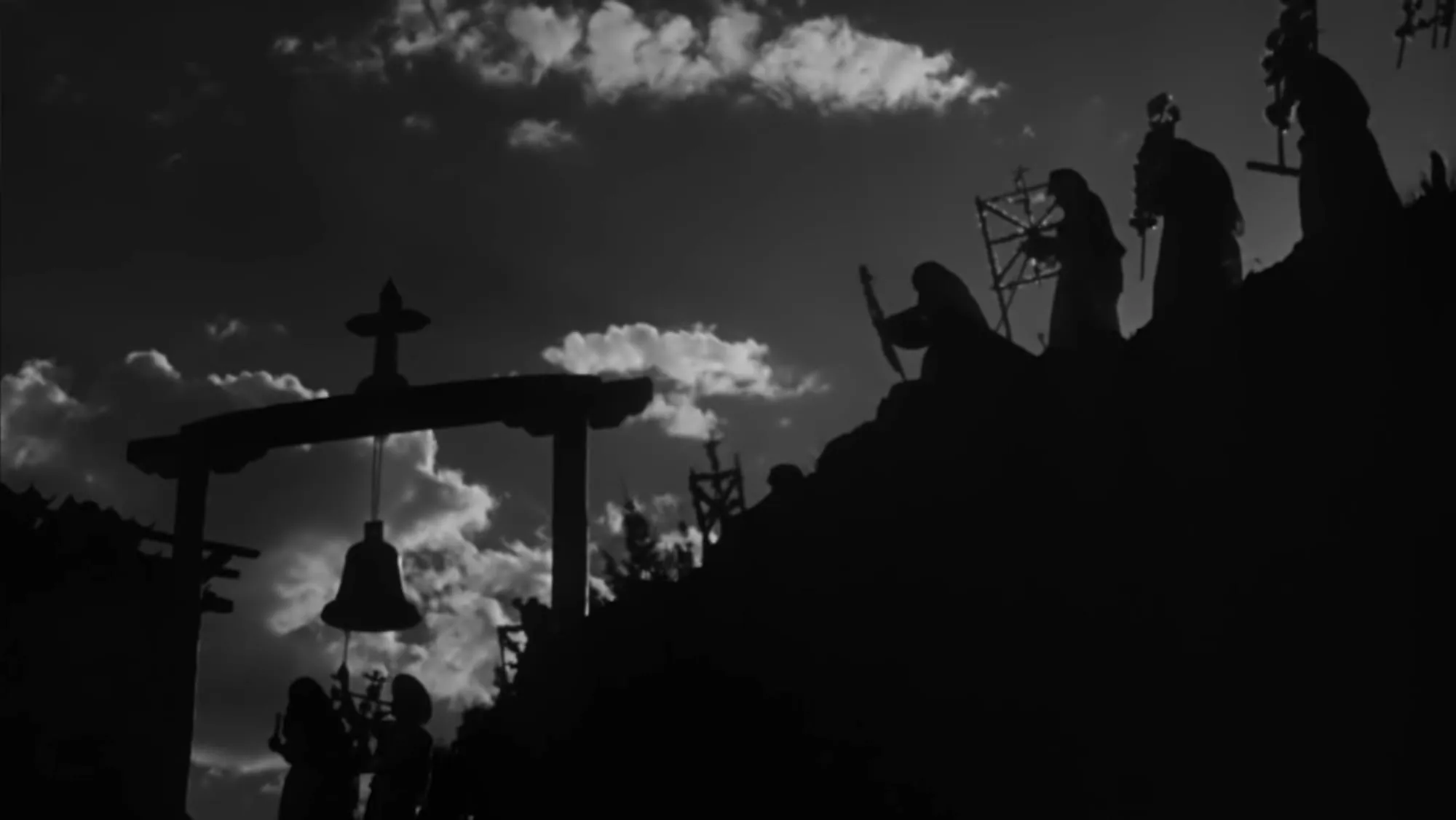
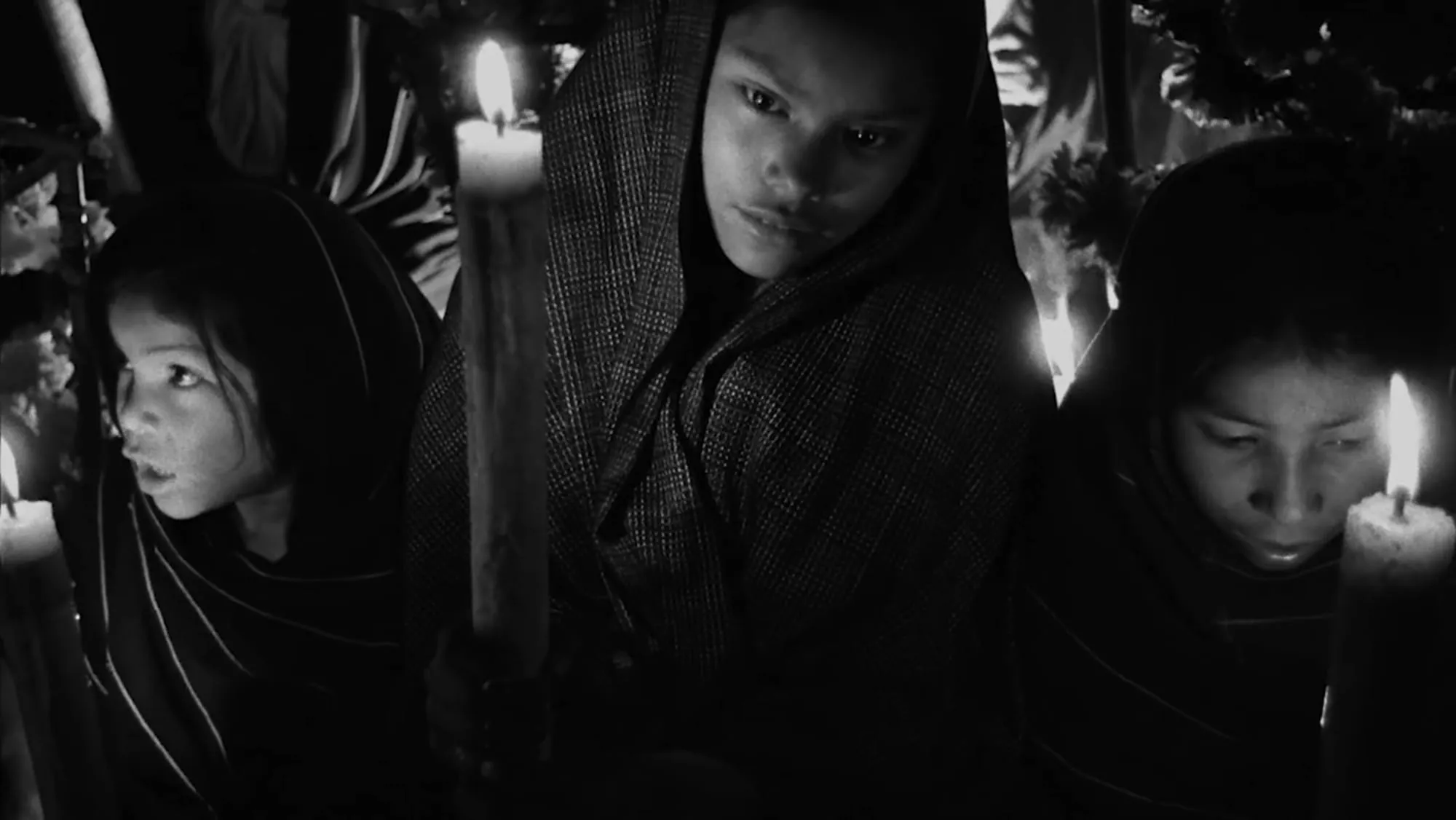
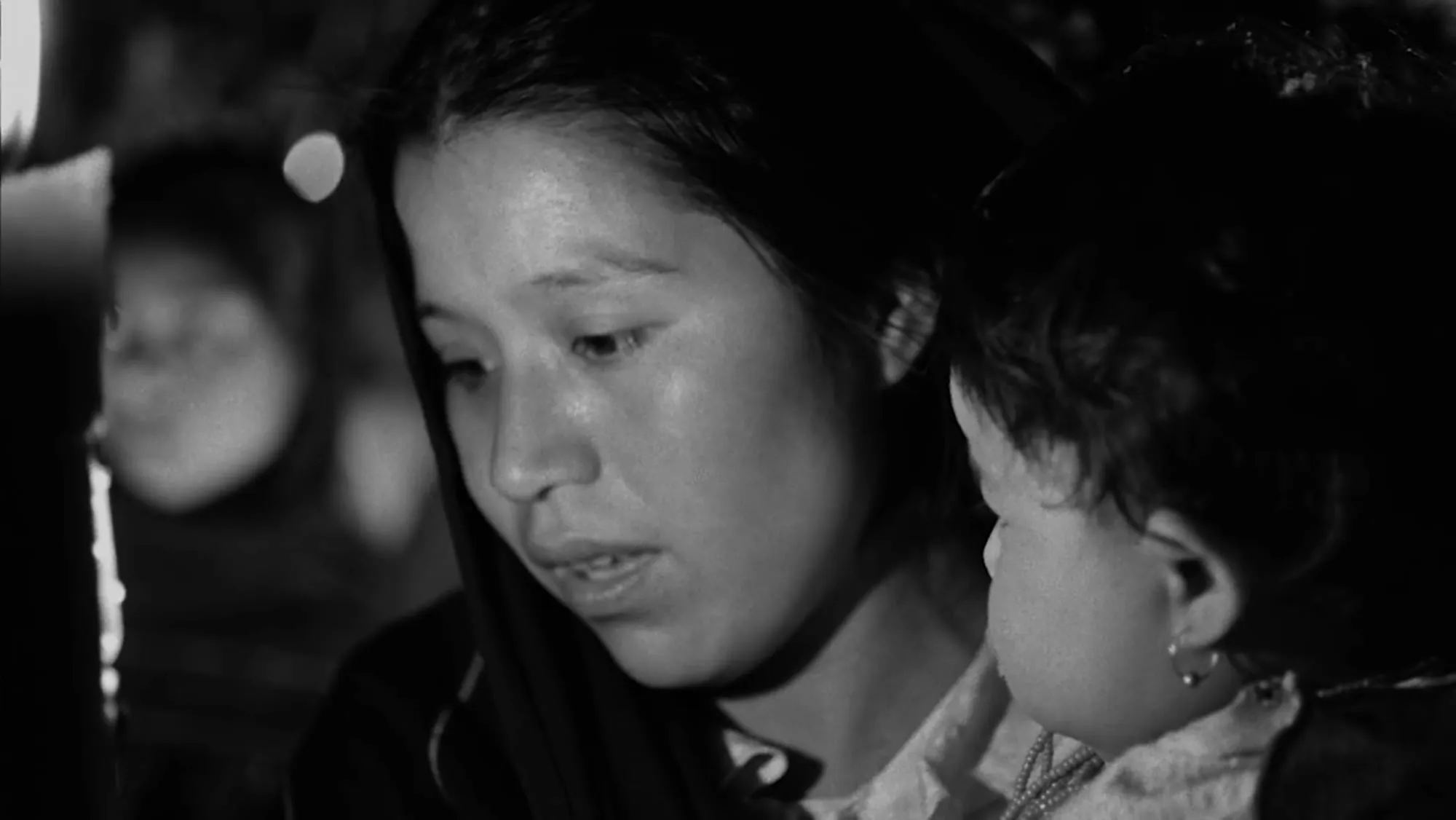
It’s the Night of the Dead.
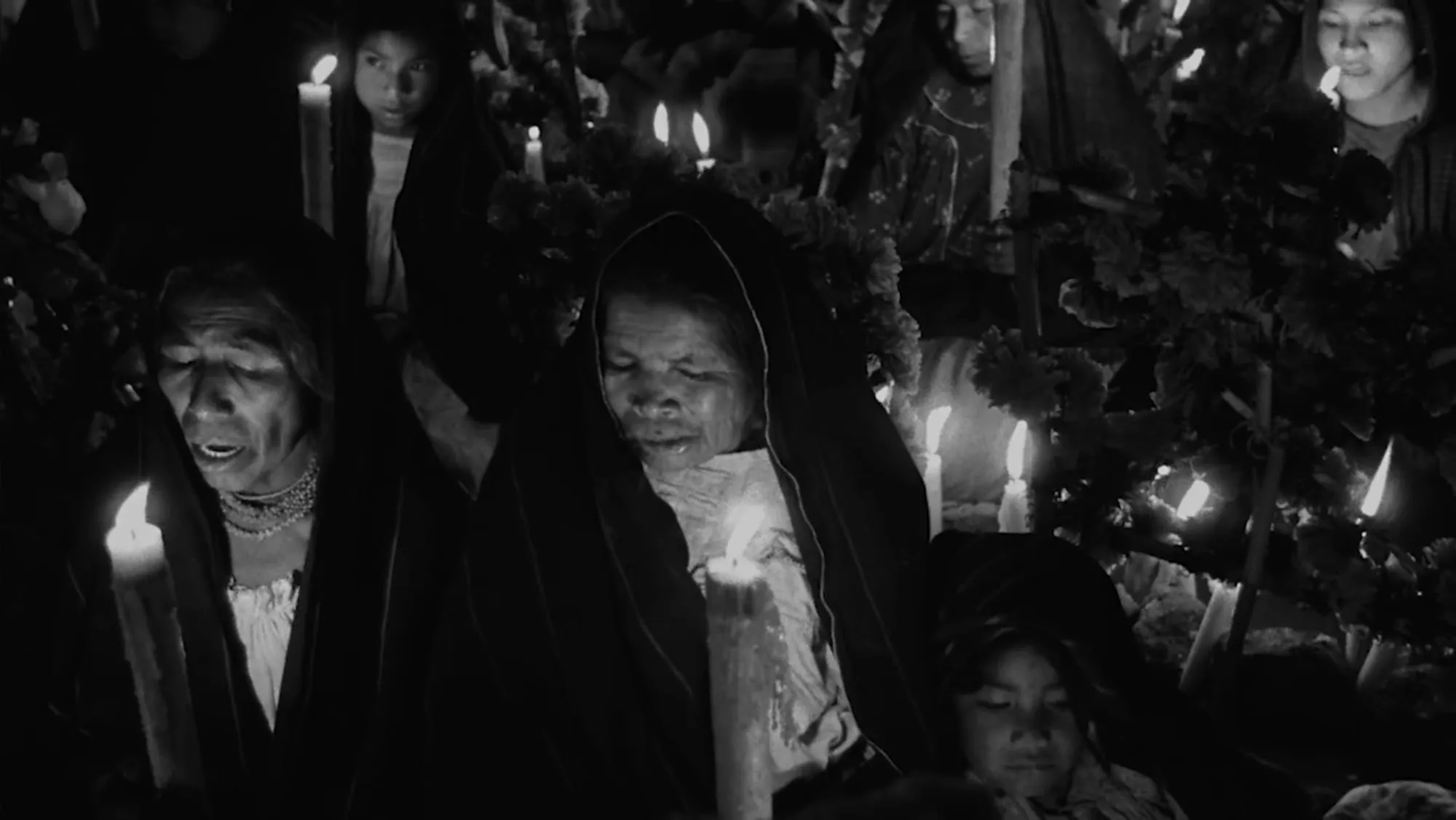
The women walk up through the streets with their offerings. Always the nets, always the tiles. They enter the cemetery through an arch that reads “Noche de Muertos.” The candles. And they start to sing.
 237
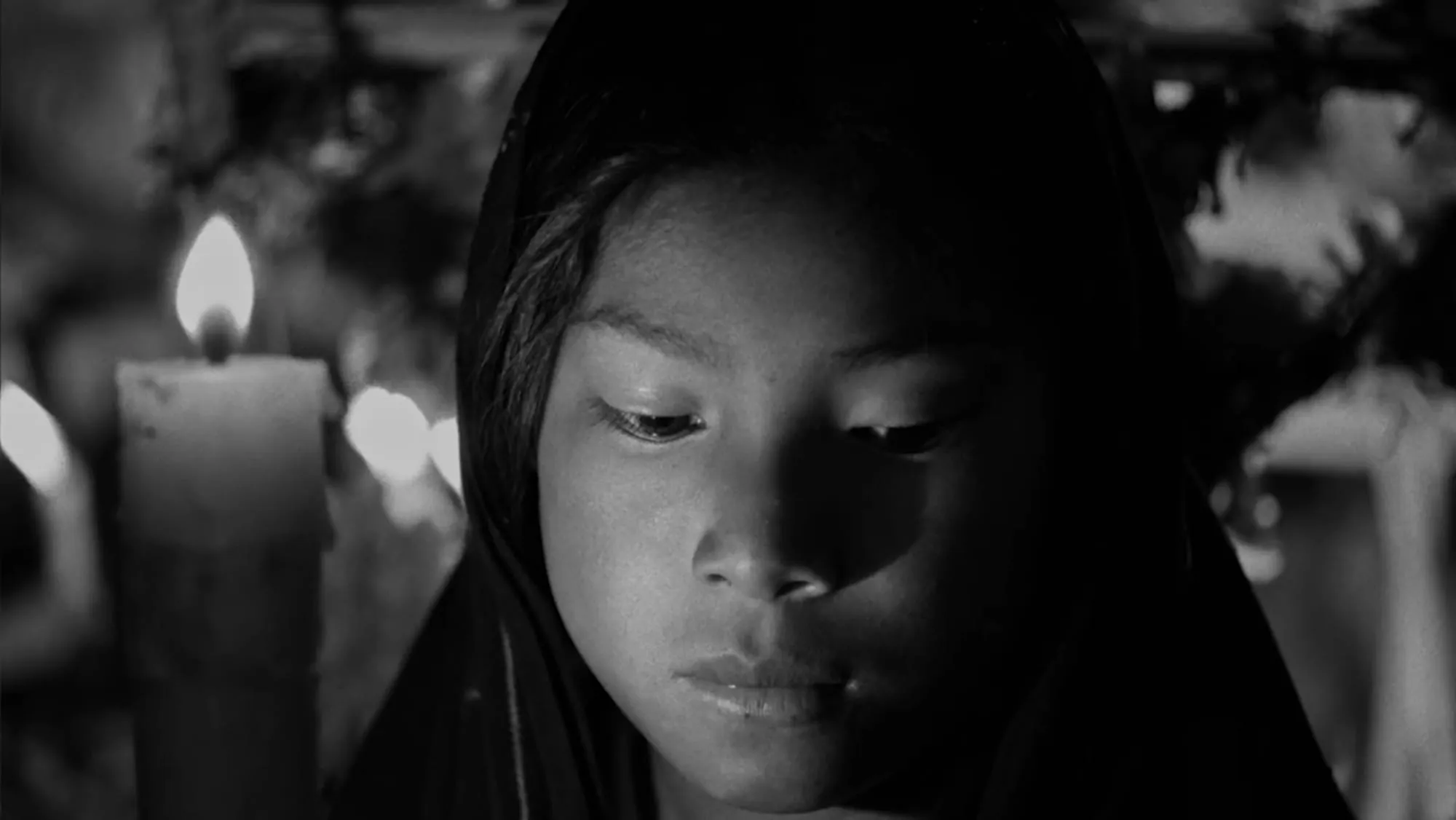
And then they appear.
 243
 244
 245246
 247
 248
 249
 250
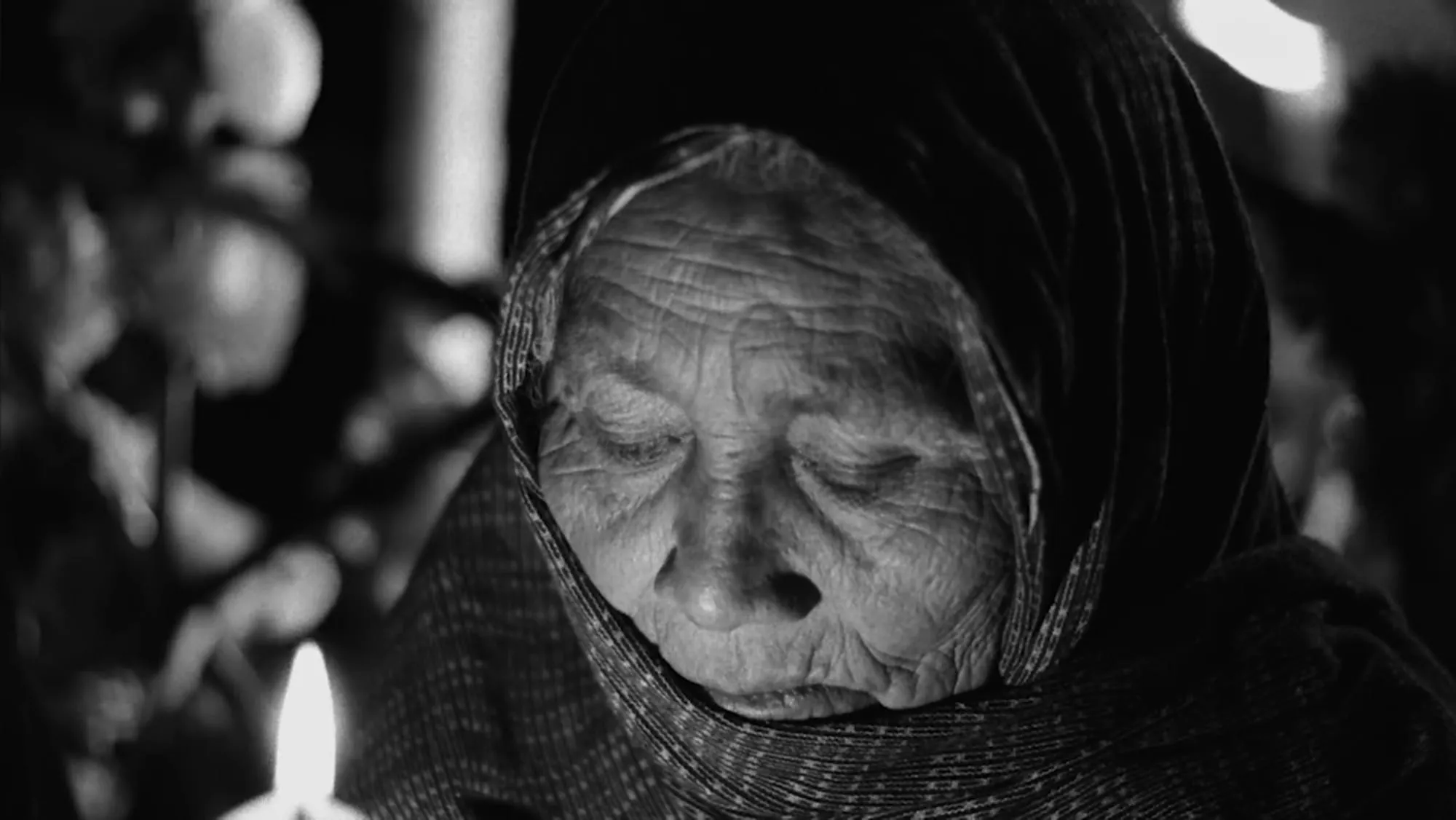
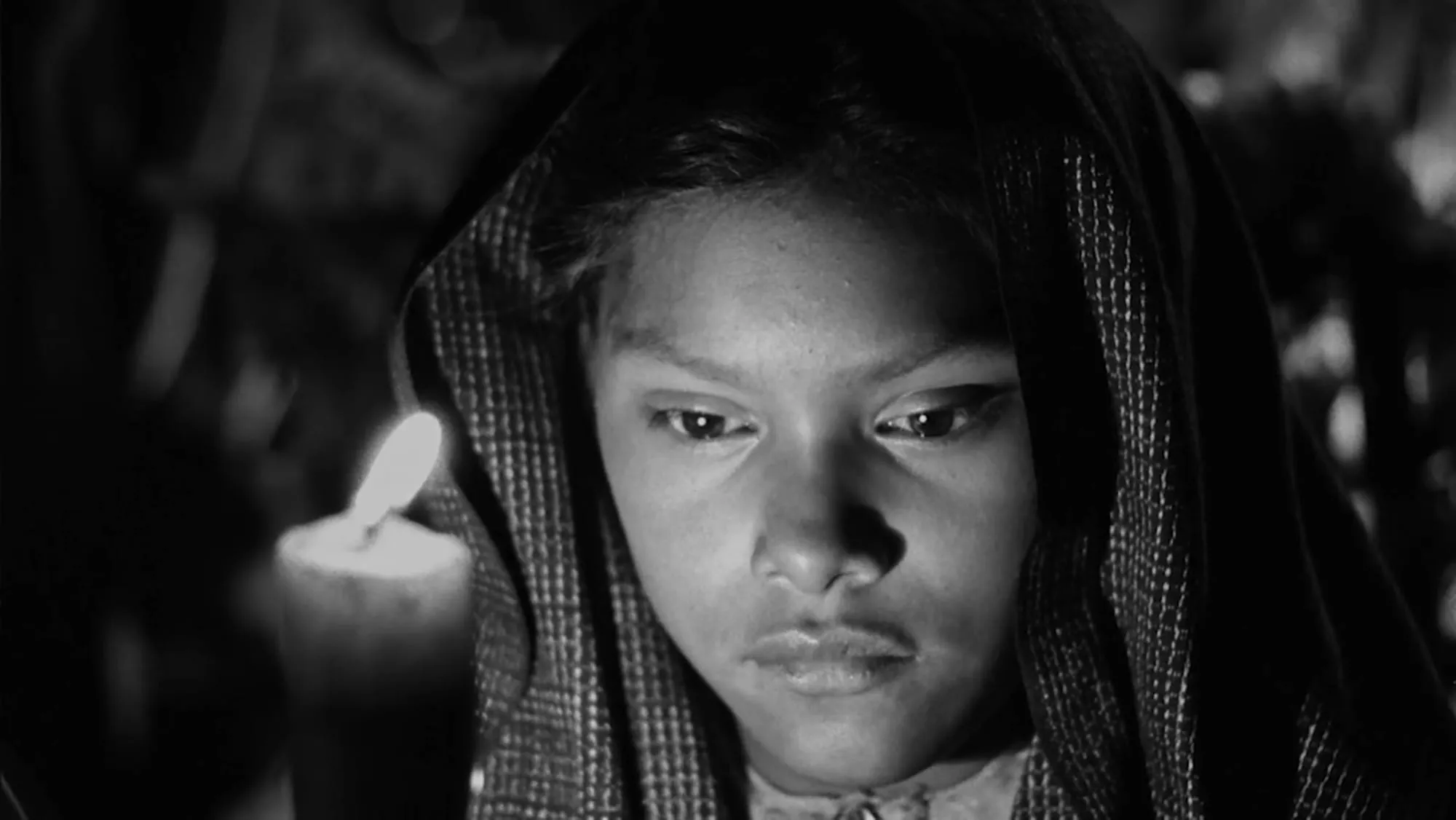
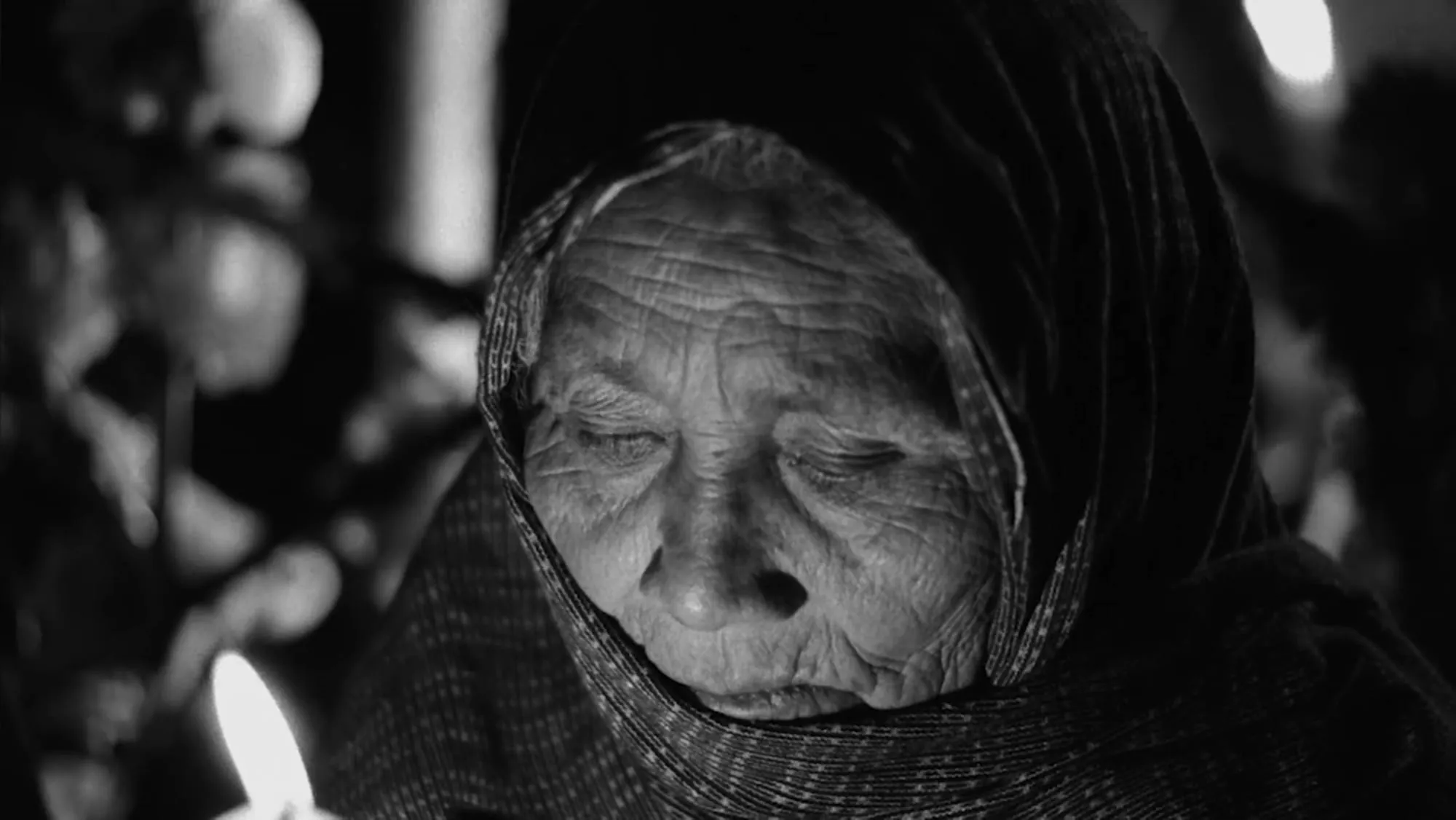
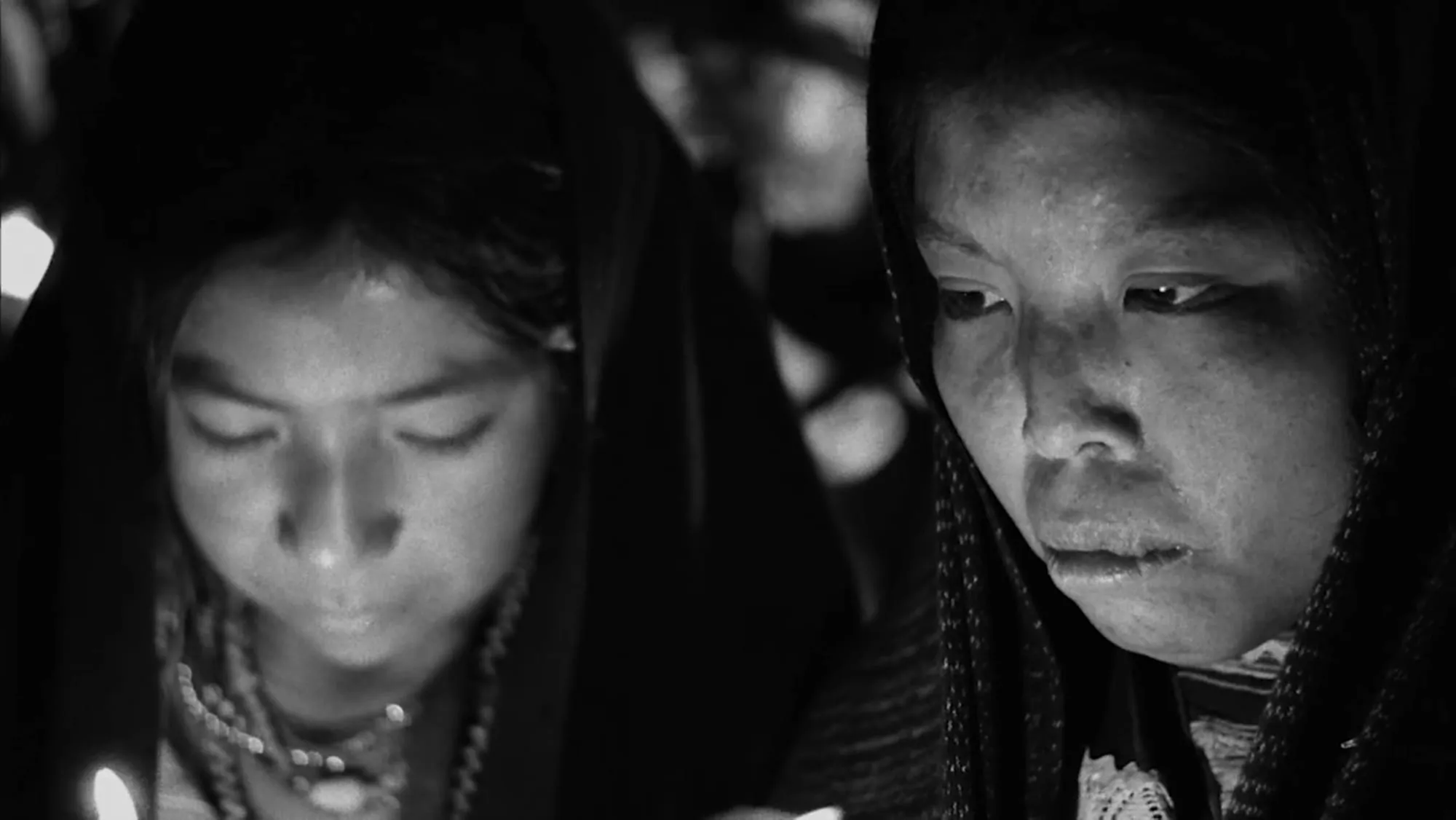
Women and girls from the island, lit by candlelight. Faces that aren’t an actress’s face.
Throughout most of the film, the camera stays with its stars: María Félix and Pedro Armendáriz, always flawless under Figueroa’s light. Here, for a few minutes, it gives the place to the people of the island. There’s no dialogue and no drama: just the candles, the singing and their faces.
The truest part of the film is those few minutes when the camera stops looking at the stars and looks at the people.
The film, look by look
Heads up: from here on I tell the whole film, ending included.
 001
 003
See the full sequence (5)
001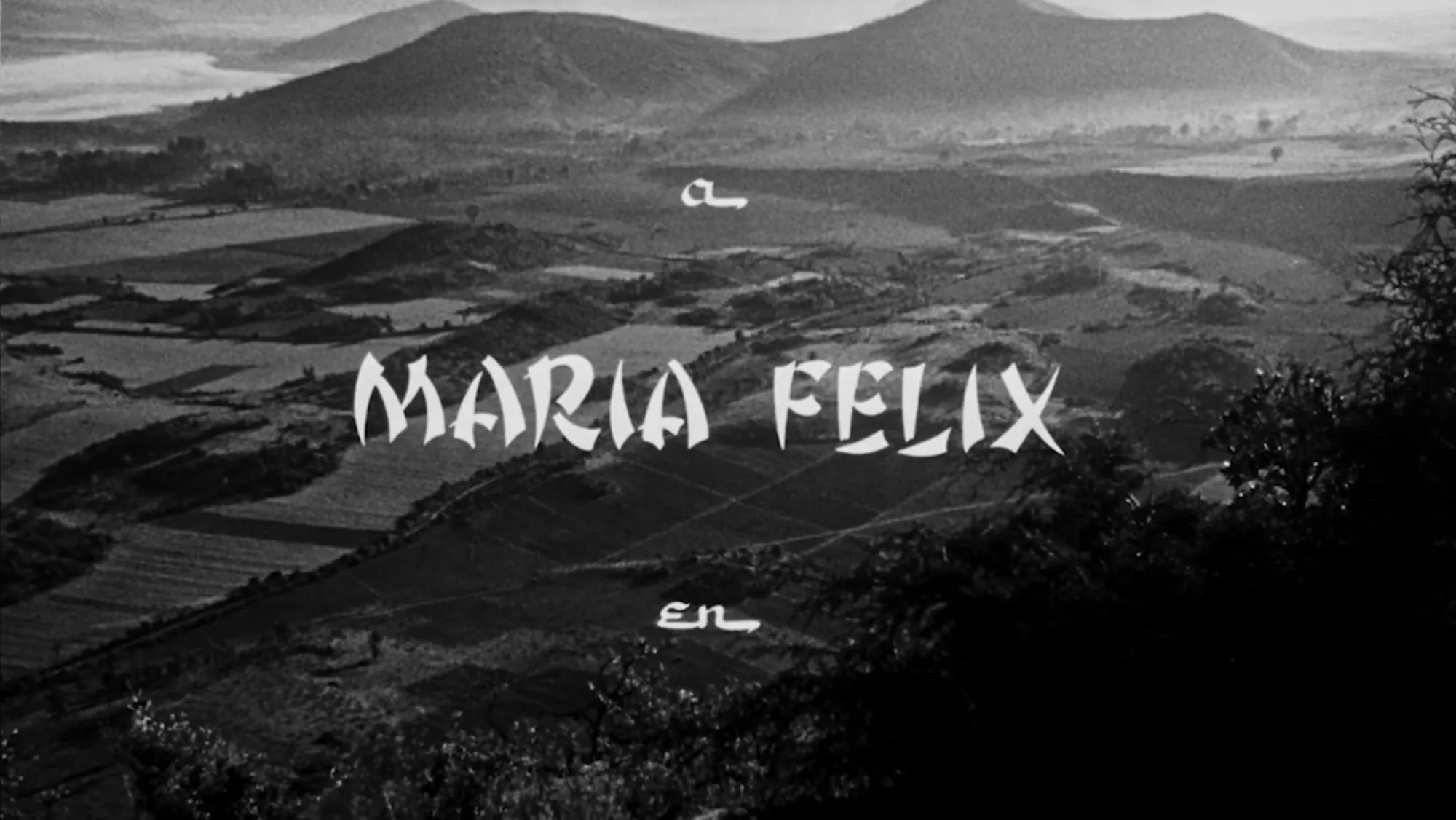 002003
 004
 005
Before it starts: the credits
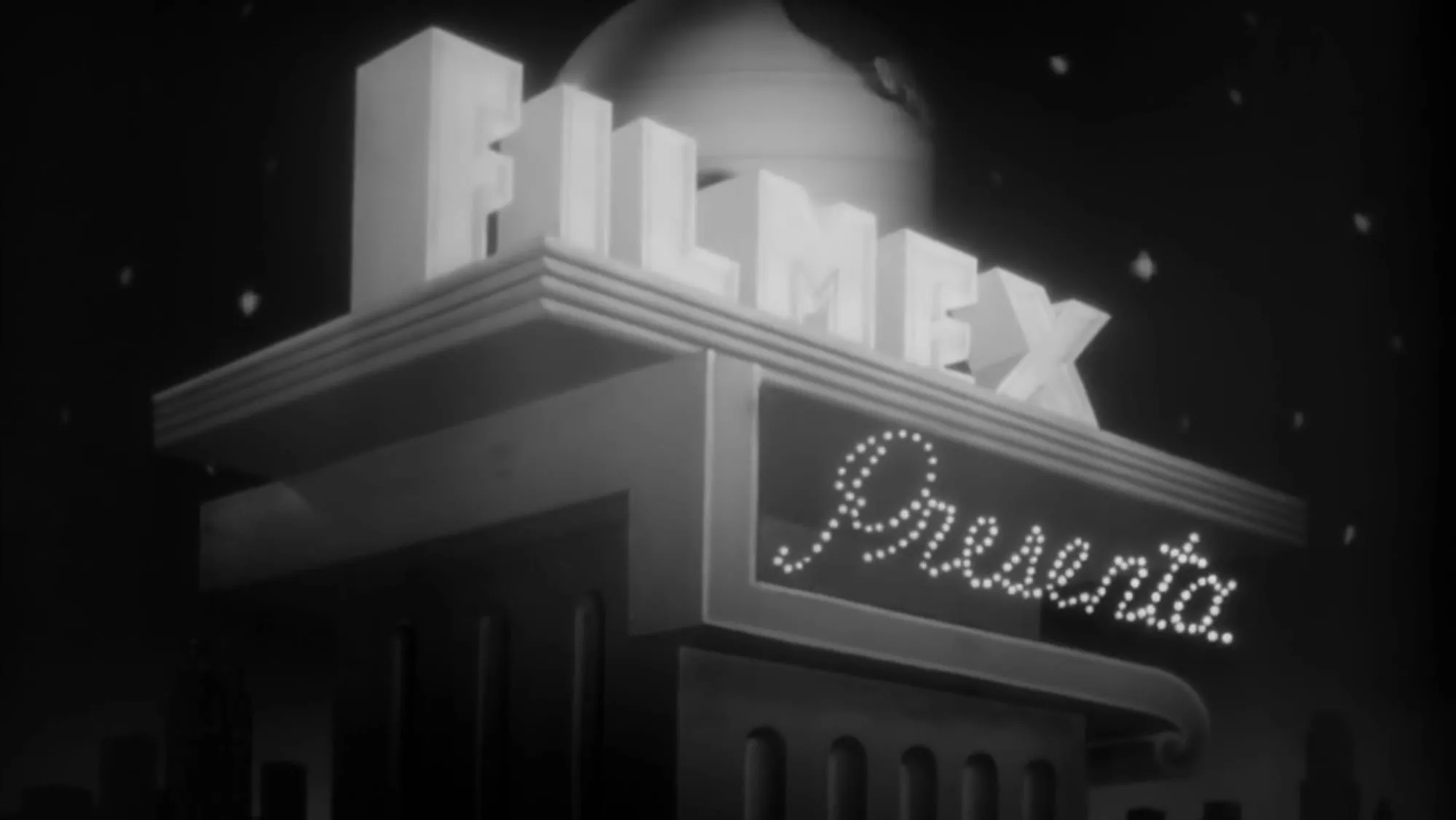
I really liked the Filmex logo: a studio building with “Presenta” written in neon. It looks like a painting, or a model. I couldn’t find out how they made it; if anyone knows, tell me.
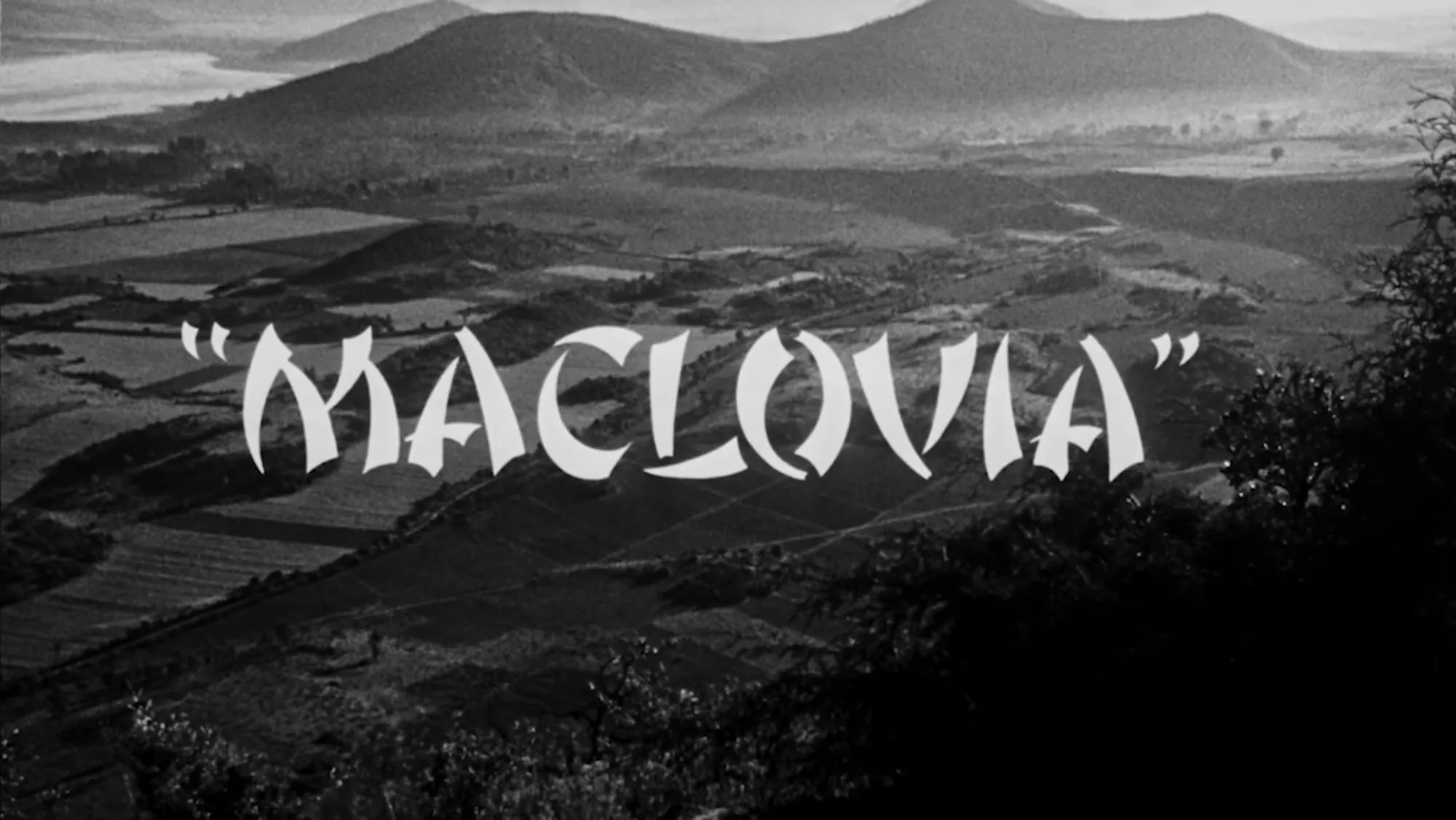
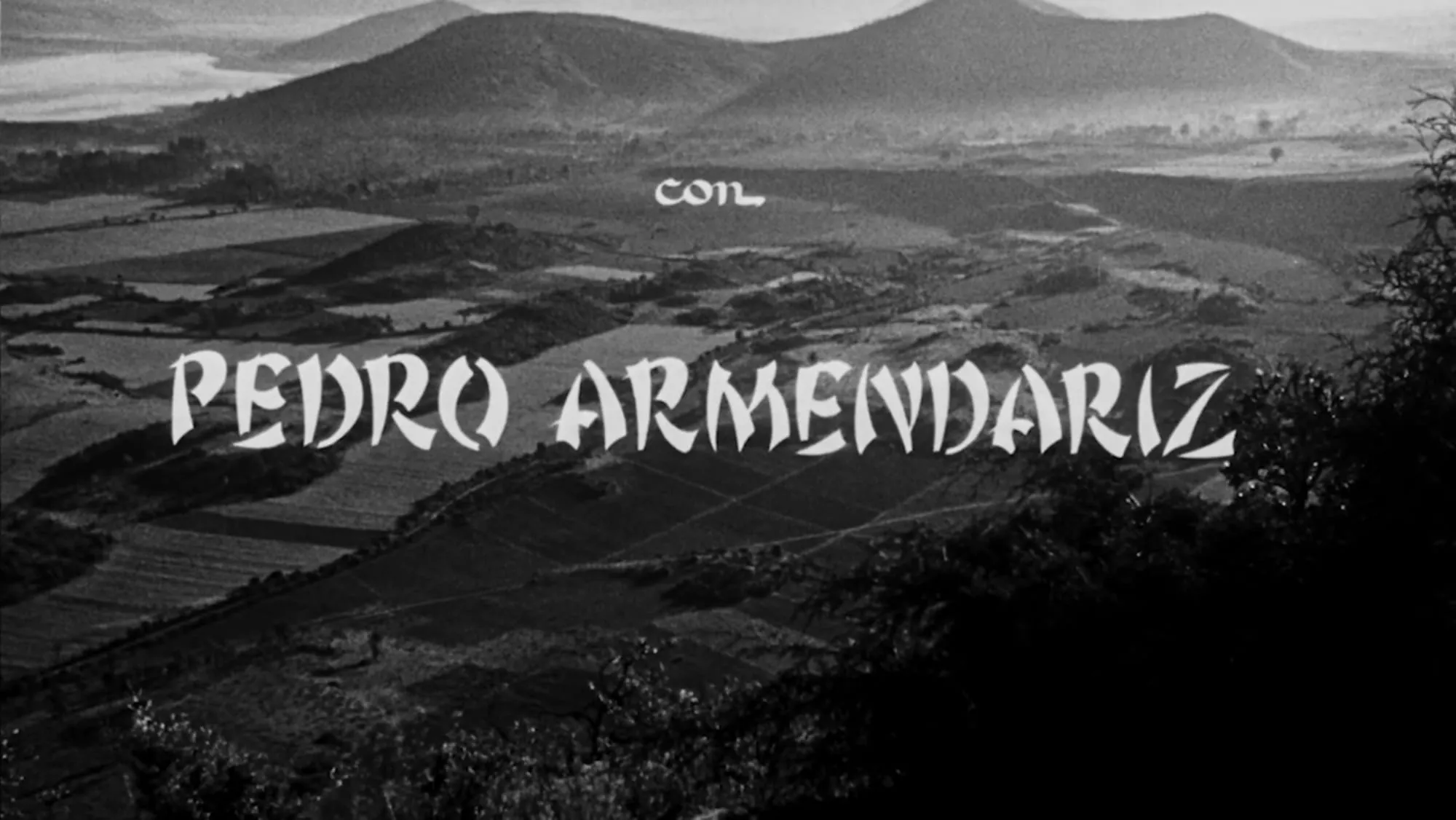
Then the titles. “MARÍA FÉLIX in MACLOVIA,” in a brush lettering that looks Chinese. It was the code for “exotic” back then, and in a Purépecha story it feels out of place.
It won’t be the last time the film looks at Indigenous life from the outside.
 006007
 008
Small among the nets
This is how we meet them. First Maclovia, alone, tiny, at the end of an alley of nets drying like sails. Then José María, watching her. Then the two of them together.
The framing makes them small and gives all the space to the island.
Before the couple, Figueroa introduces us to the nets.
 016
 017
See the full sequence (4)
 015016017
 018
He looks. She feels it.
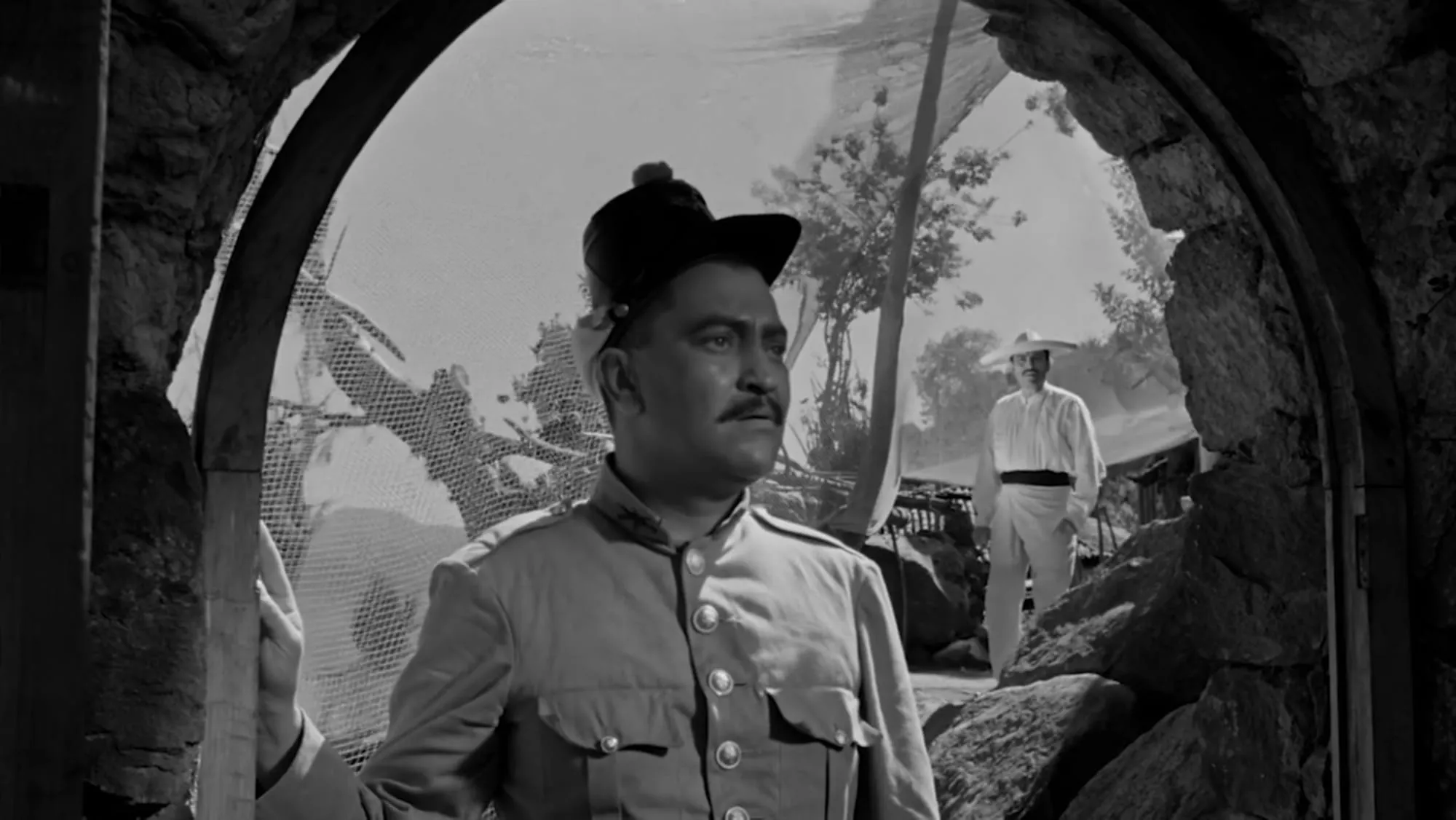
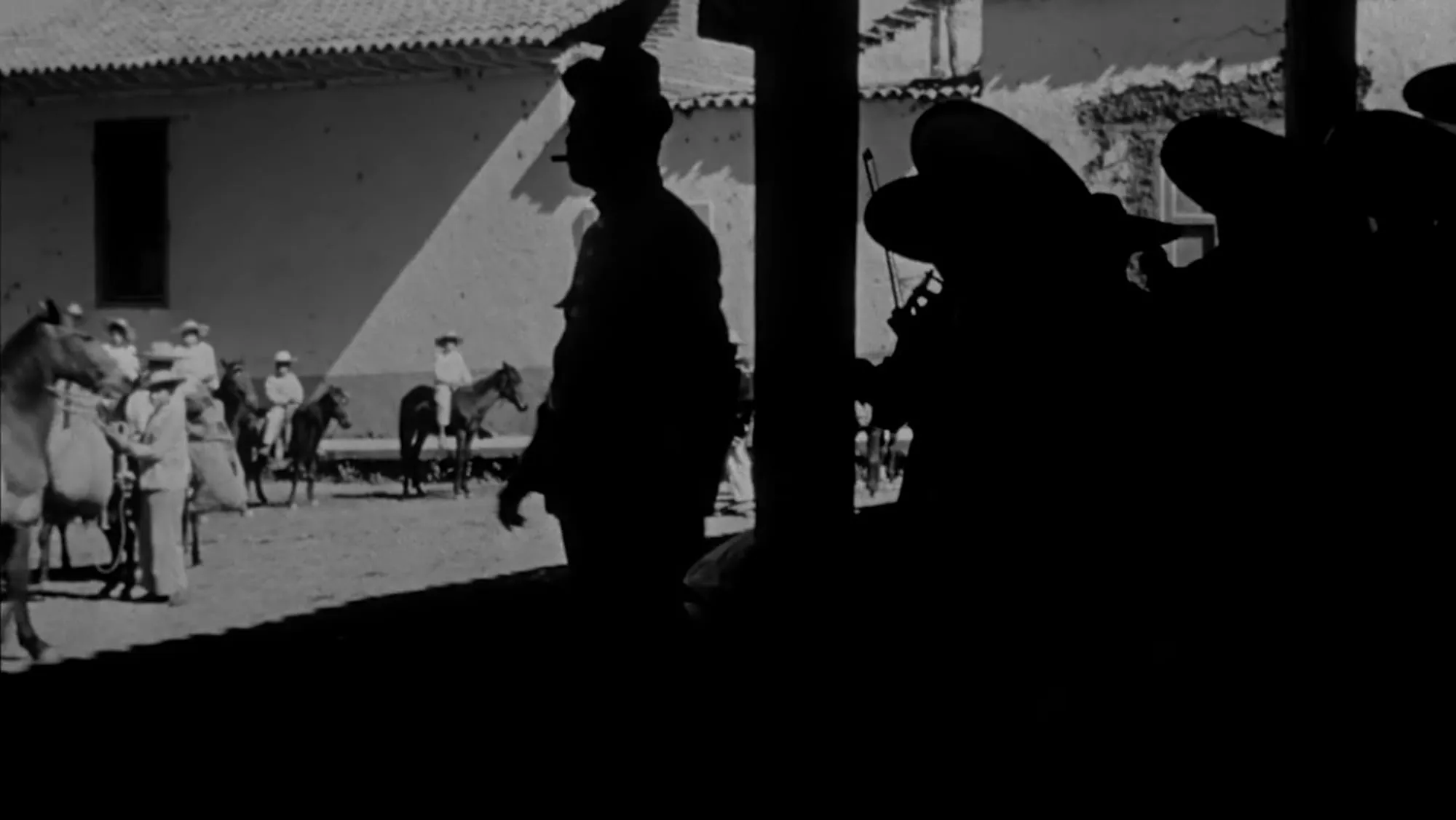
In Pátzcuaro, Sergeant Genovevo de la Garza shows up. He arrives with his own band, like someone walking into his own party, and everyone turns to look at him.
He orders his bottle of charanda, the local cane liquor. He sees Maclovia.
And before he says a word, she already feels his gaze.
That’s how the film’s threat comes in: through the eyes.
 027
 030
The flower
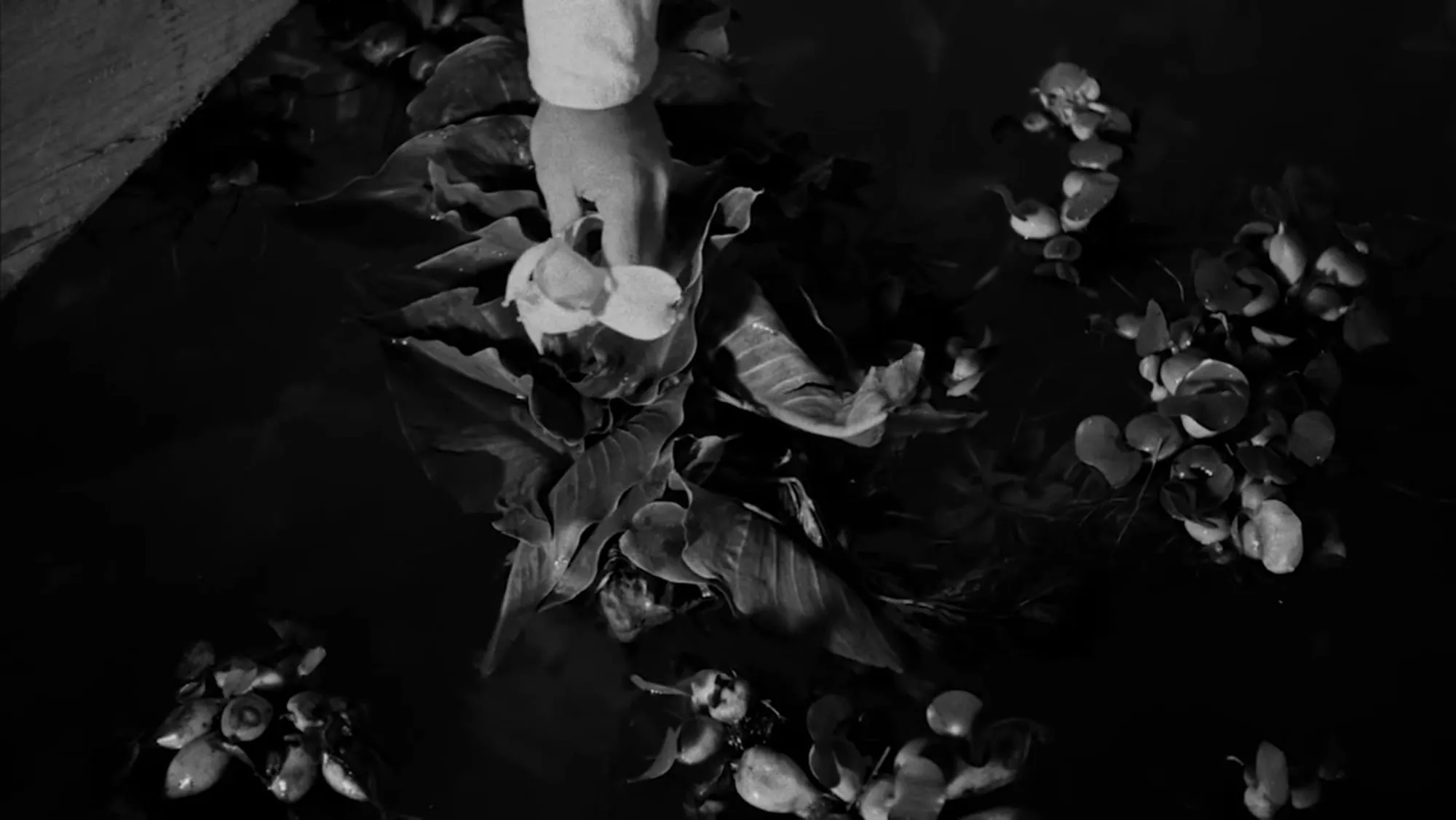
José María pulls a flower out of the lake, looks up, and there’s Maclovia, high on a cliff.
Him below, her above. That’s where Tata Macario keeps her, “high up among the stars,” and that’s how the letter will put it later: “I know you are far above me and I don’t deserve you.”
It’s the same flower he later offers her in front of her father. The one that sets off the “not even look at her.”
120125The net as veil, the net as cage
With the washerwomen, the net falls over Maclovia’s face and draws a grid on her skin. Later she covers herself with the net to escape the sergeant, and he’s left on the other side.
The same net that feeds the island is now a veil and a barrier.
The sergeant spells it out when he walks into Tata Macario’s house and sees the little bird in its cage: “such a pretty little dove shouldn’t be locked up. She ought to have her white dove by now, with light eyes.”
He sells himself as white and light-eyed. He’s as brown as everyone else.
But it’s that gaze, “the wickedness of his tiger eyes,” that convinces Tata Macario to let them marry.
 267
 274
See the full sequence (11)
 264
 265
 266267
 268
 269
 270
 271
 272
 273274
The bars
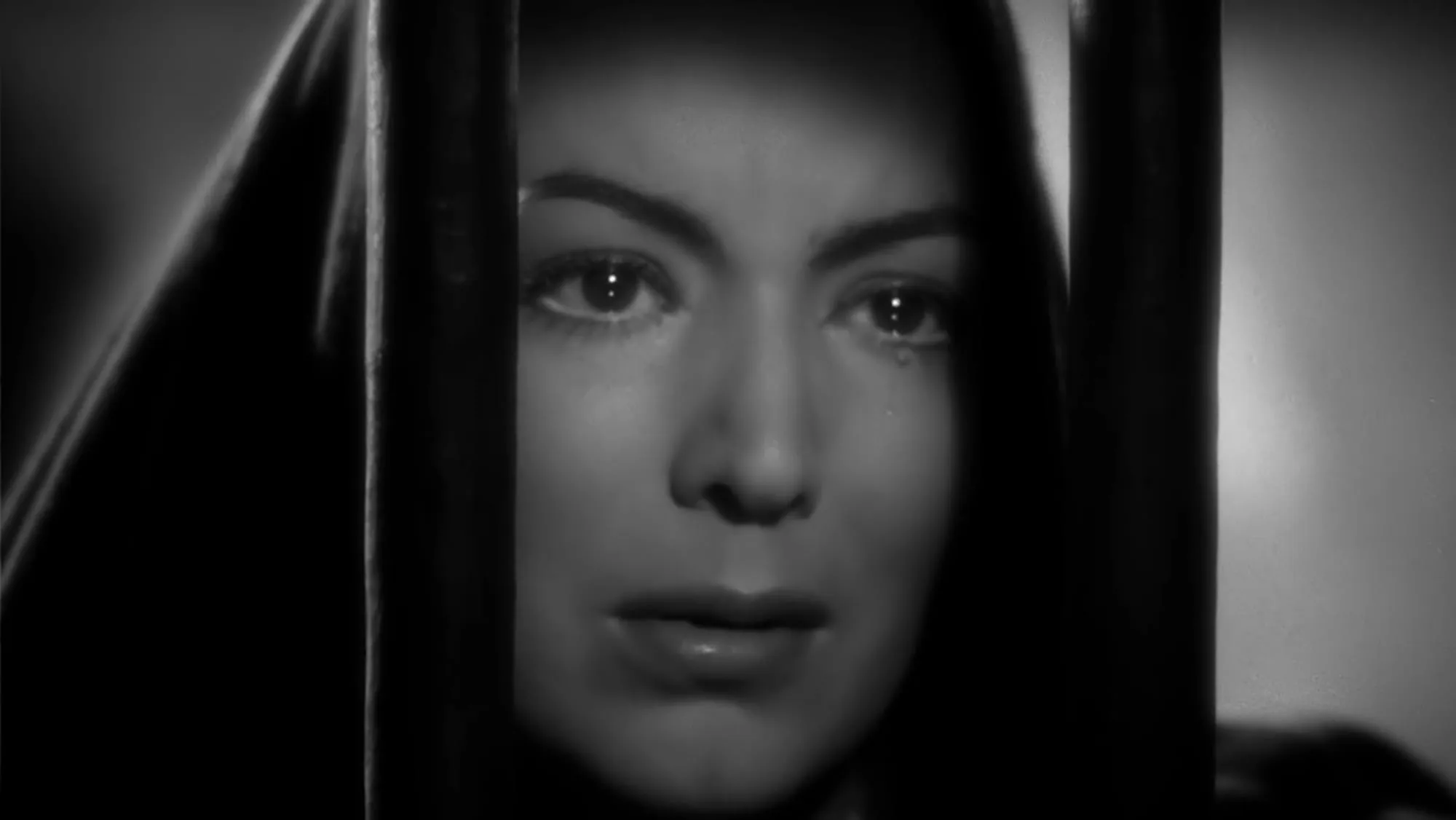
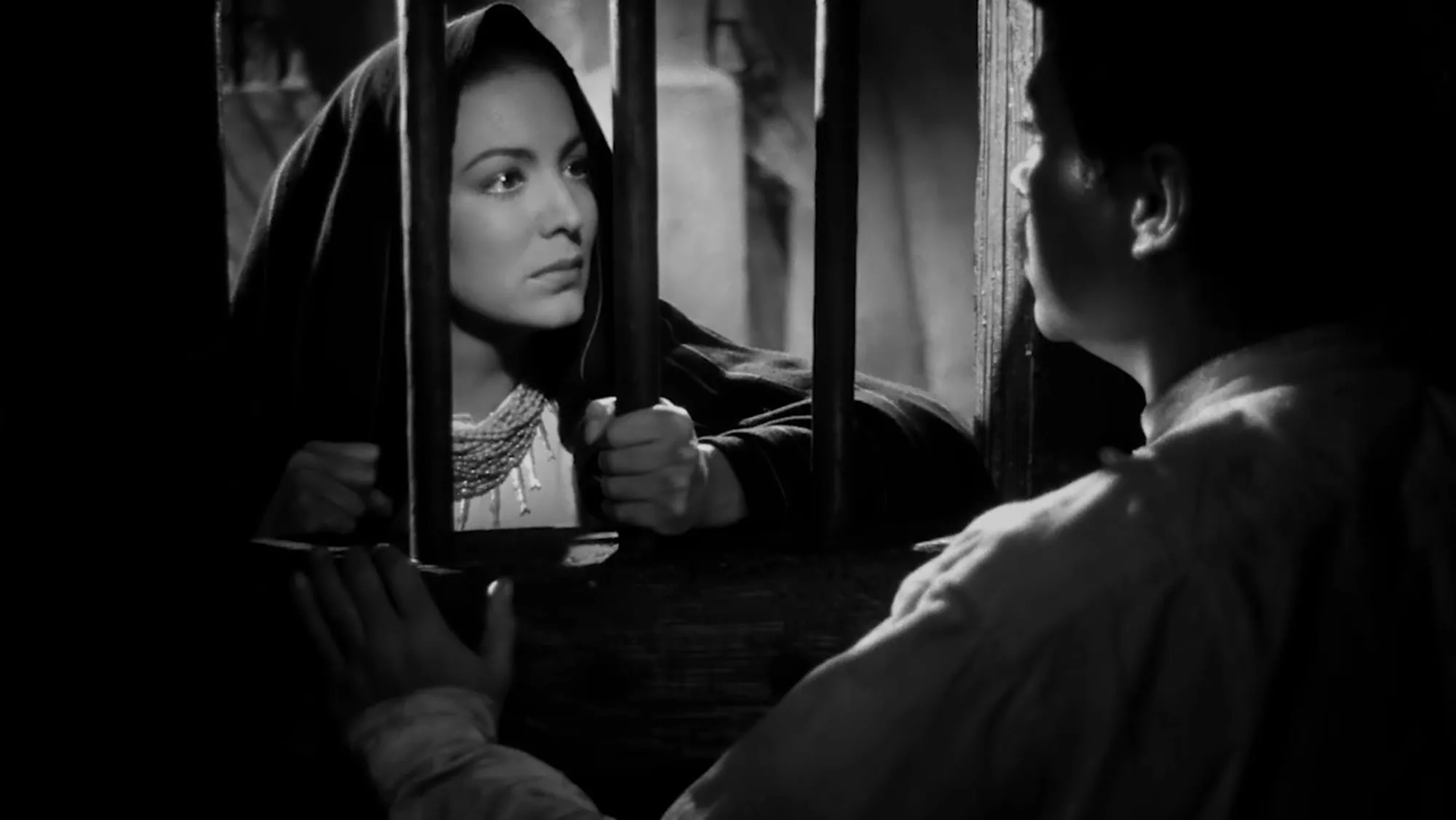
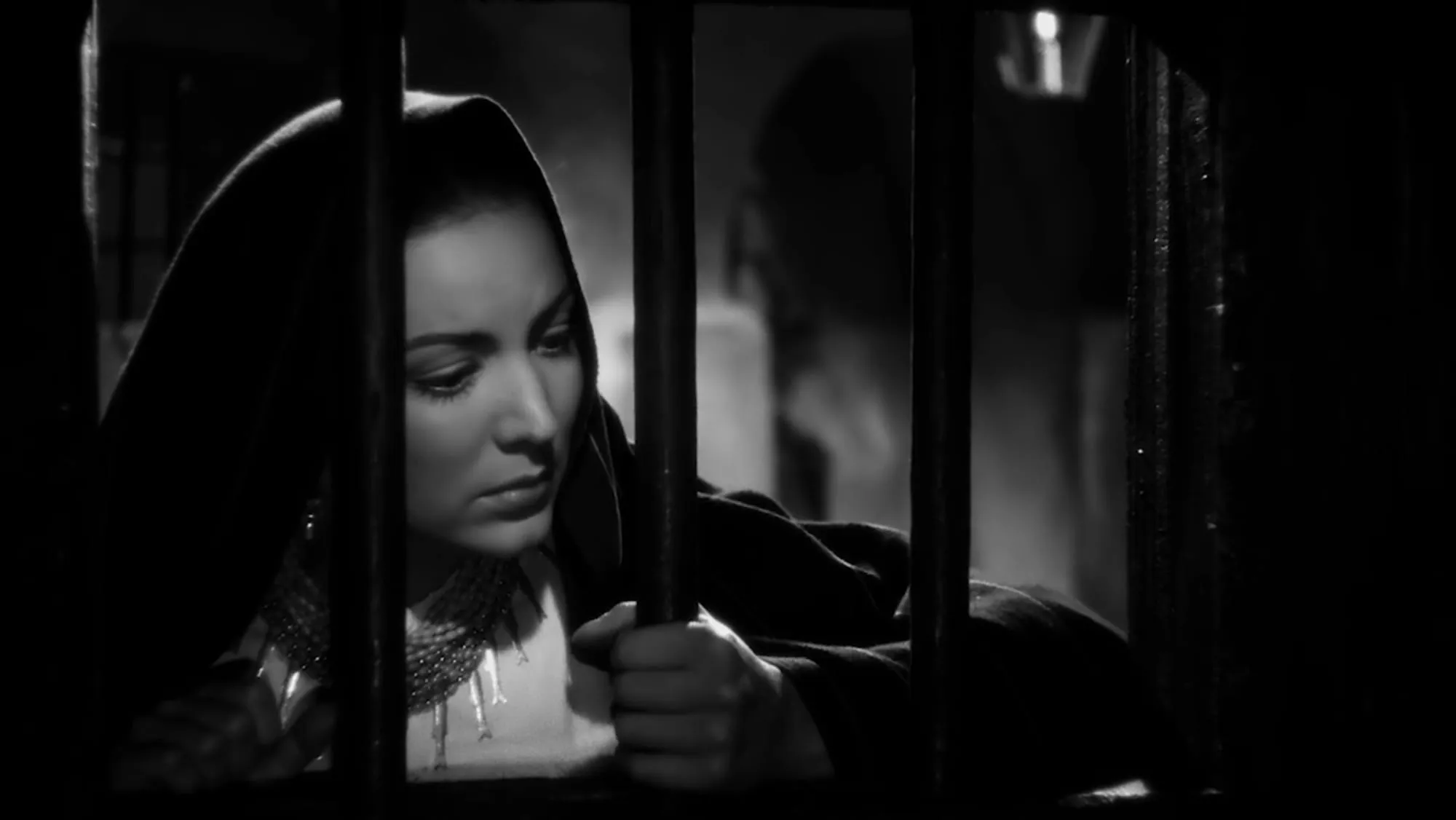
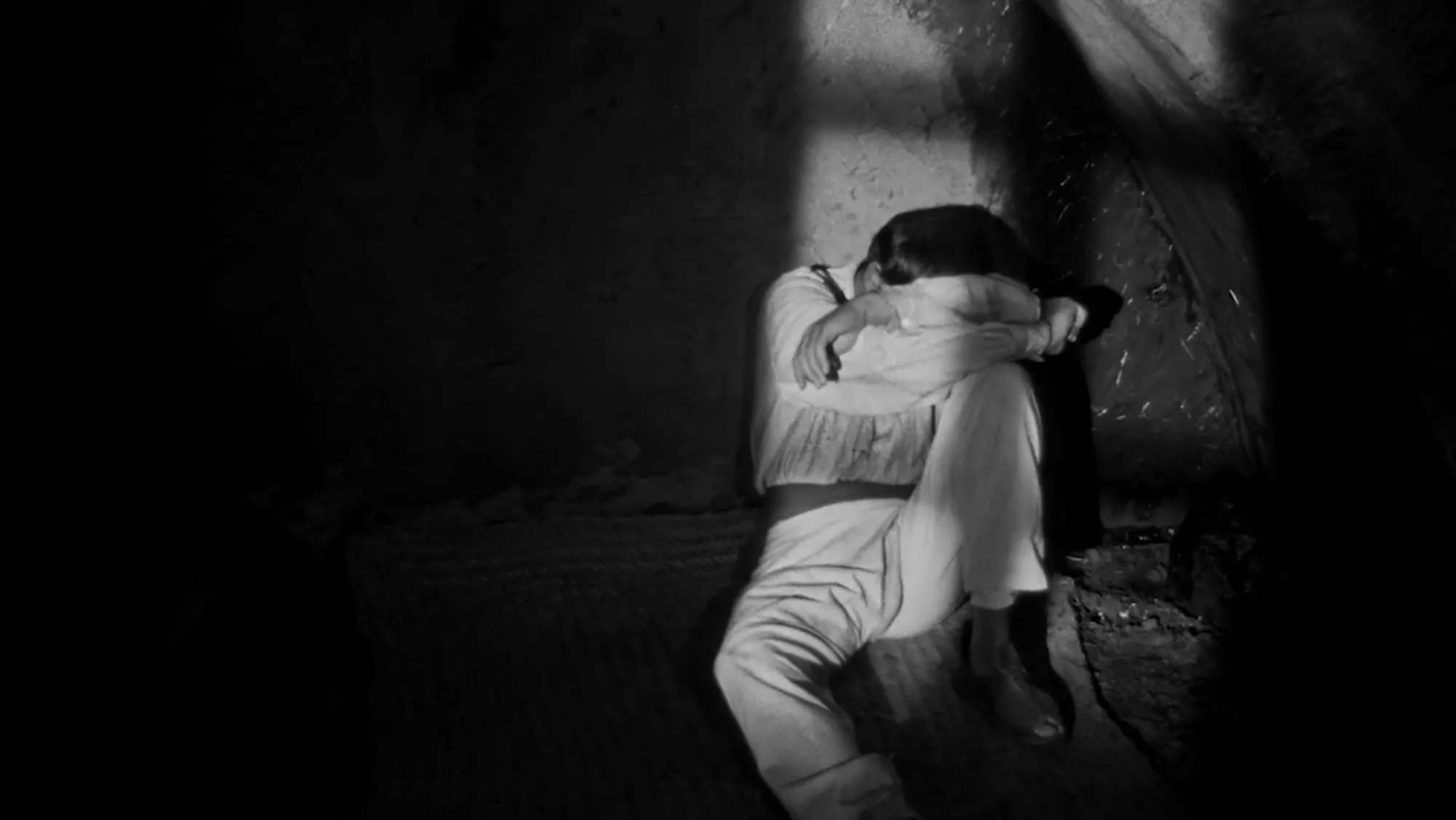
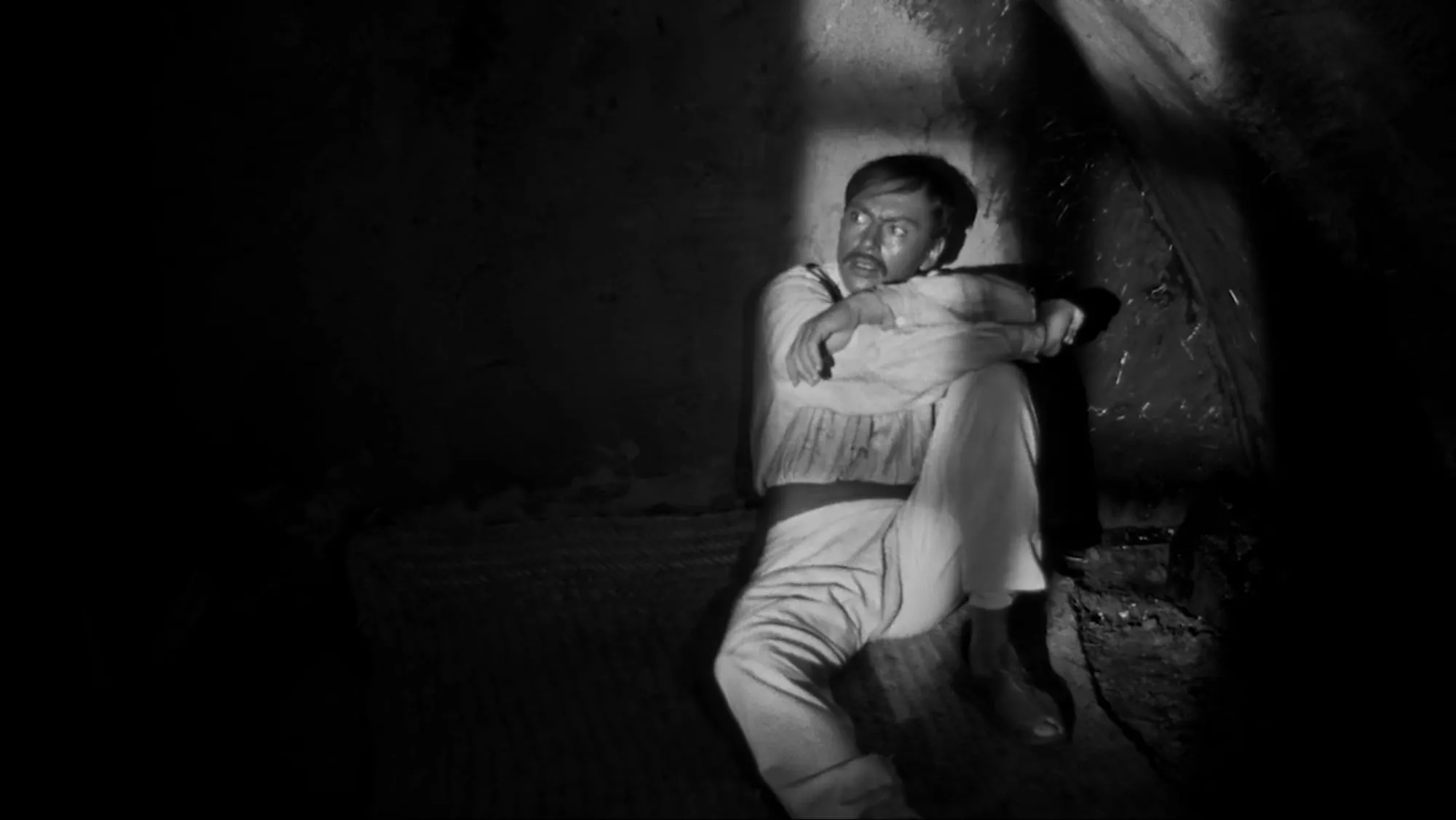
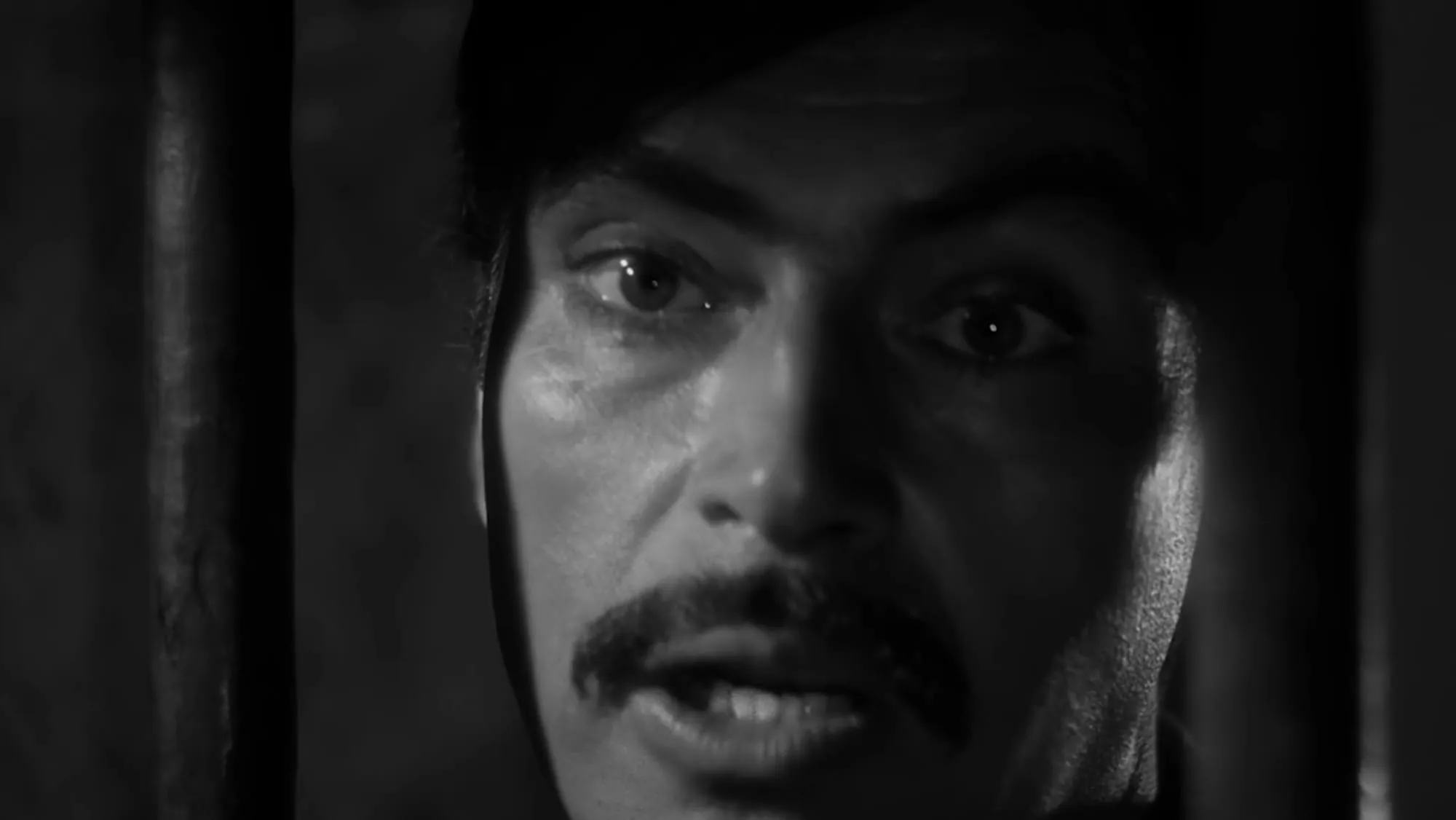
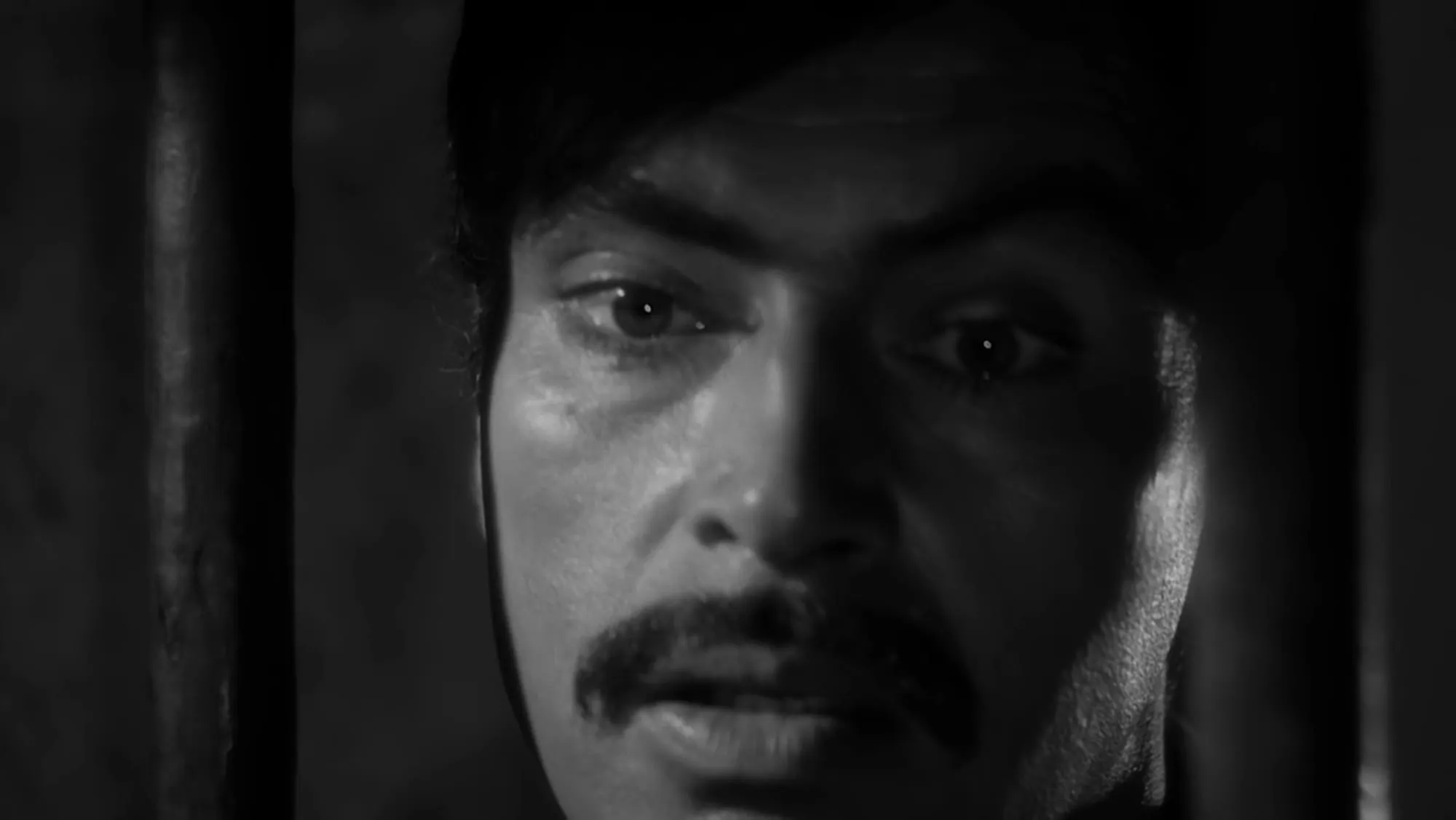
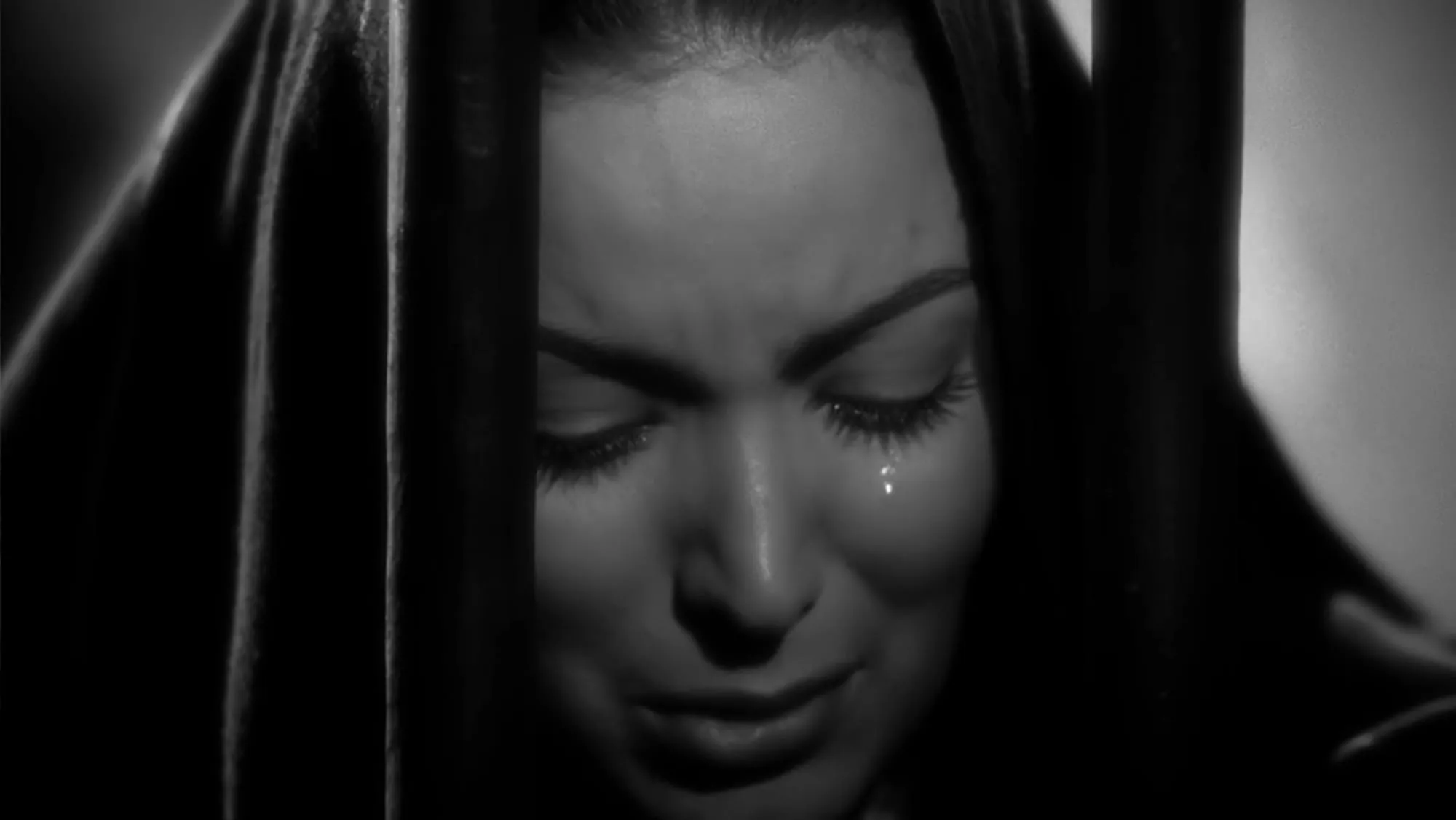
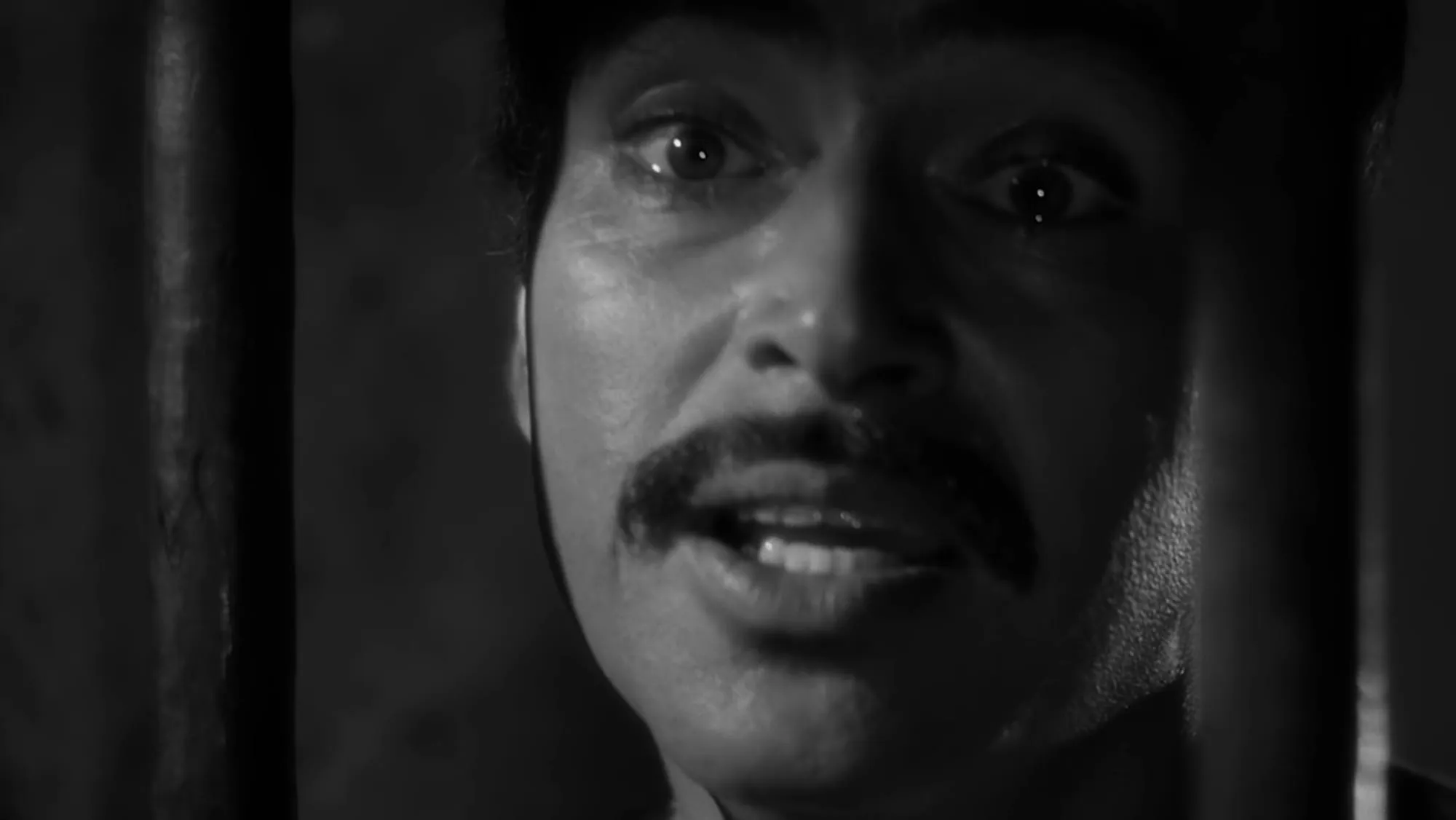
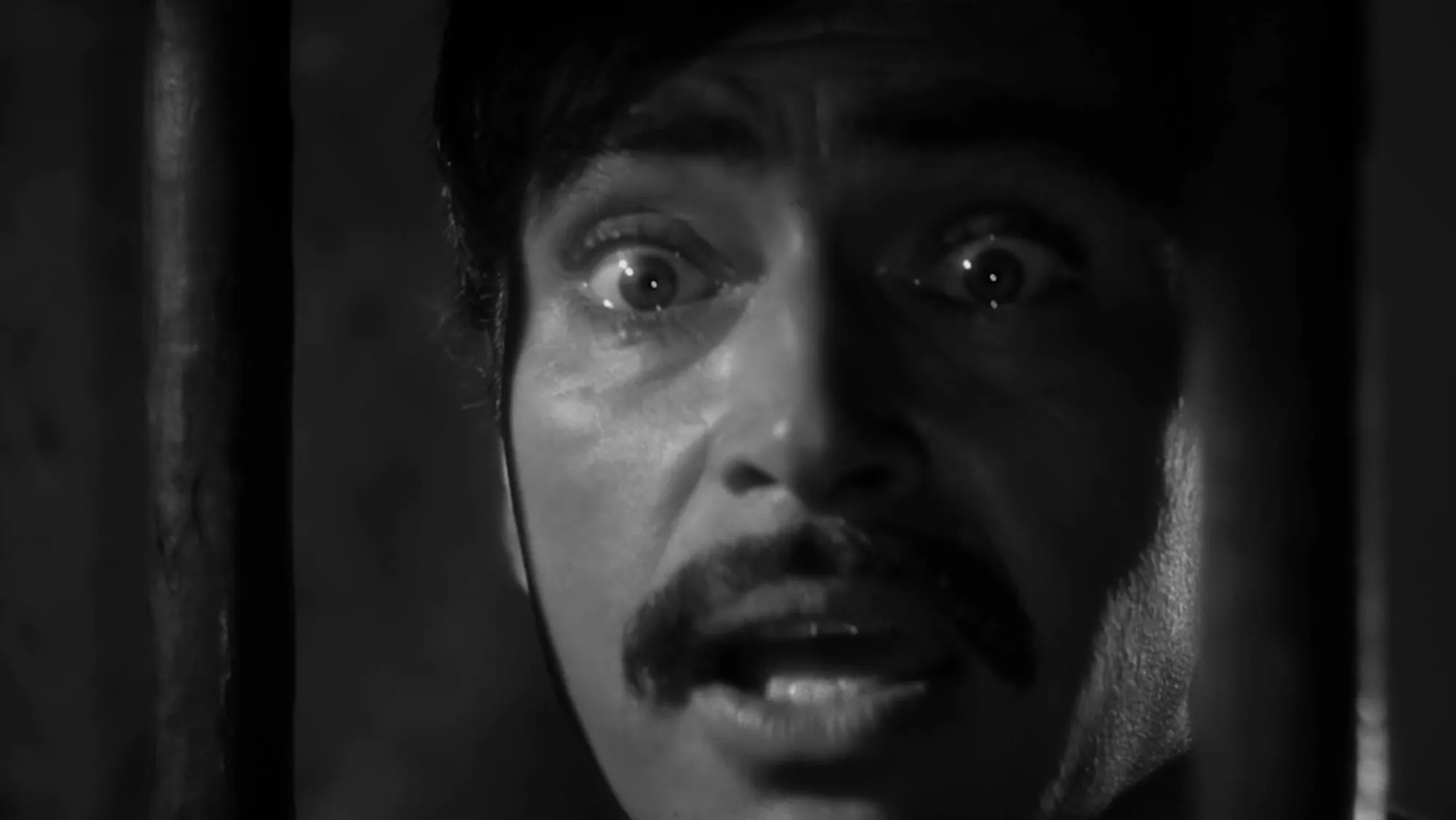
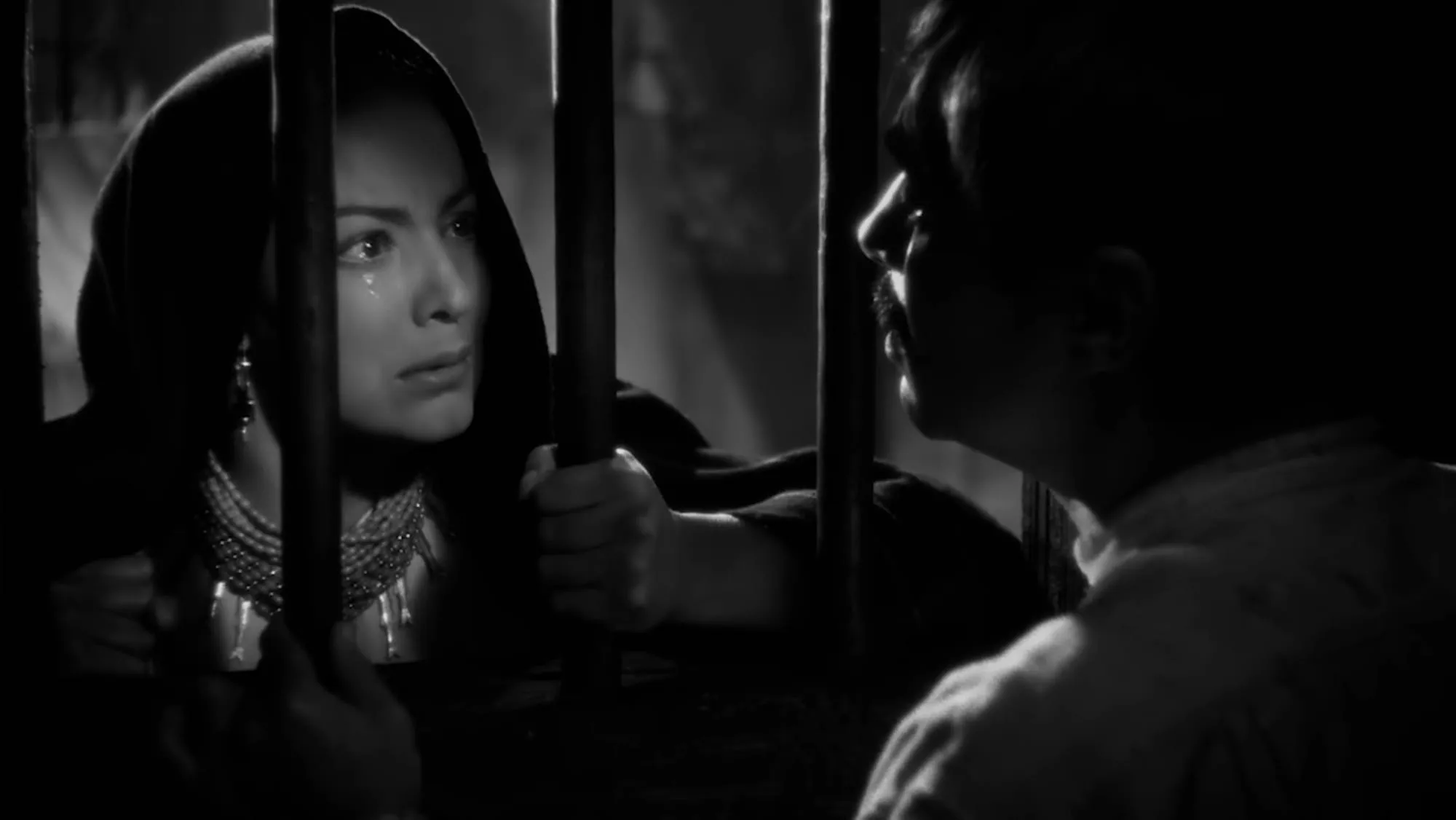
By the end there’s no net anymore: there are bars. José María in jail, Maclovia on the other side, their faces split by the bars.
And what he tells her is that it’s the happiest day of his life, because he can see her.
The ending
Sara runs, desperate, to warn Tata Macario. The corporal, who knows it’s the right thing to do, sets José María free.
And the island rises up.
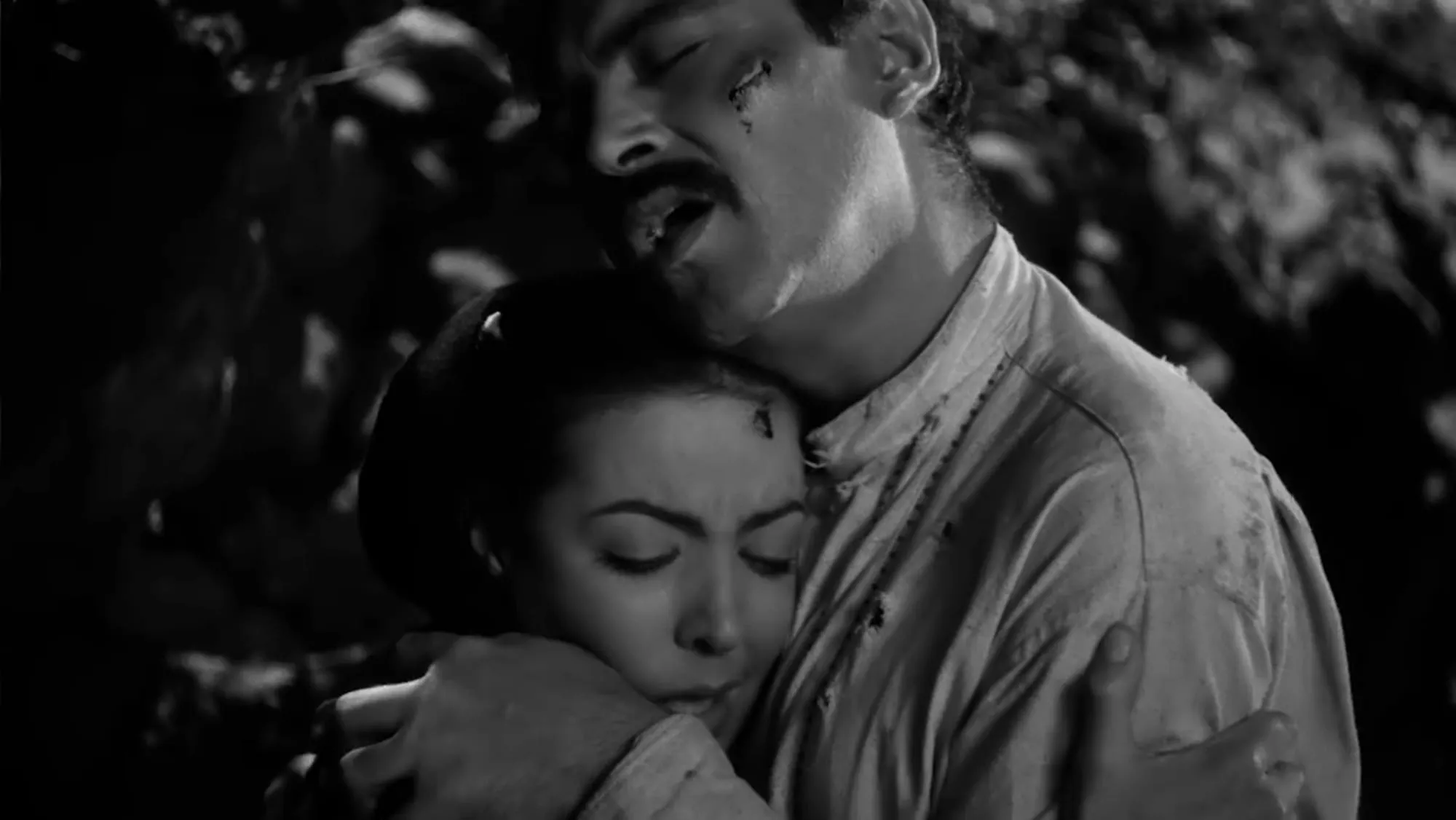
The mob comes out with torches to stone Maclovia. It’s the law of the island: a woman who gives herself to an outsider dies. Tata Macario and Sara try to stop them and the mob runs right over them.
The film doesn’t even stop to mourn them.
 299
 314
See the full sequence (4)
 298299
 308314
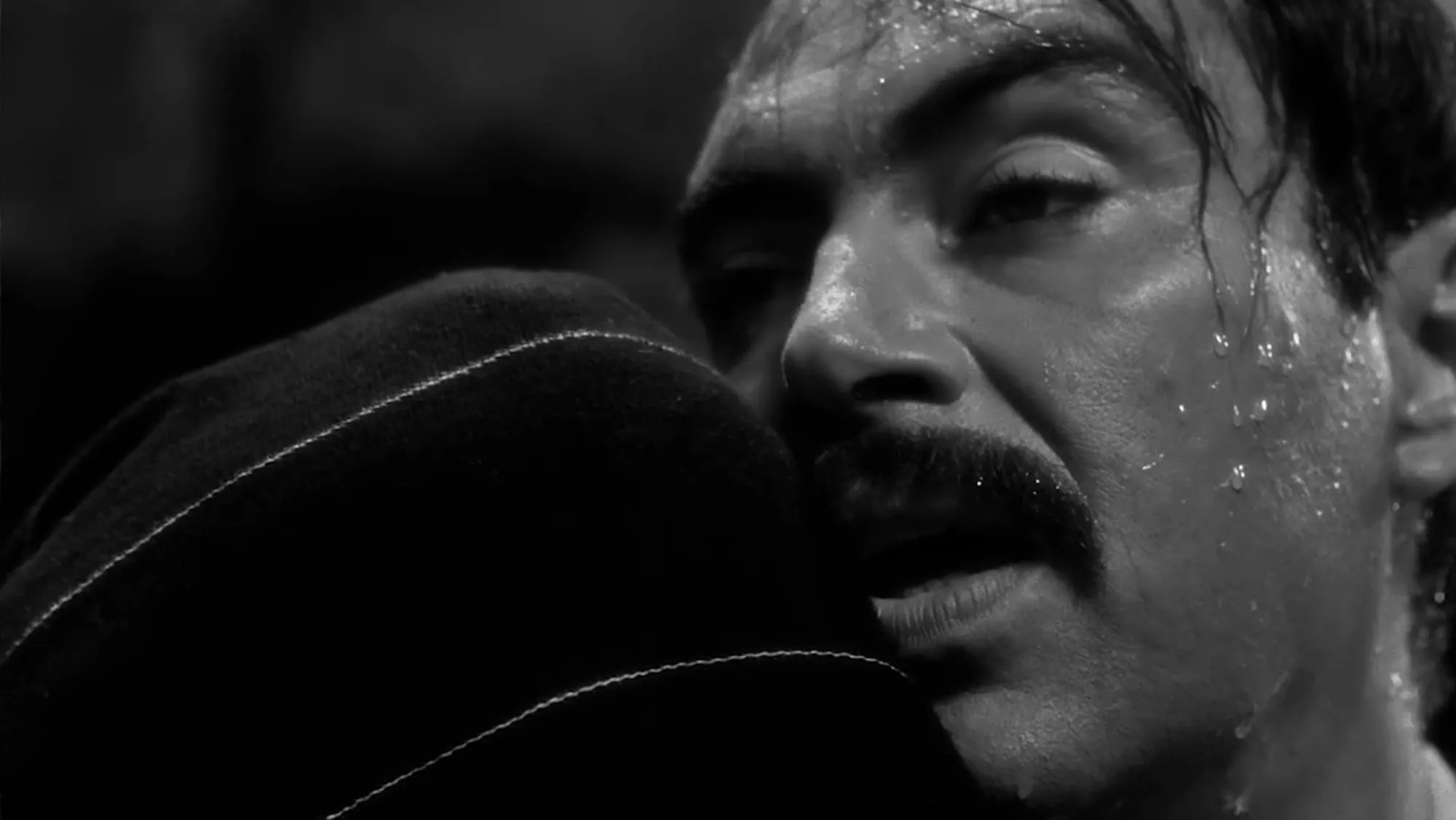
José María fights the sergeant in the water, and wins.
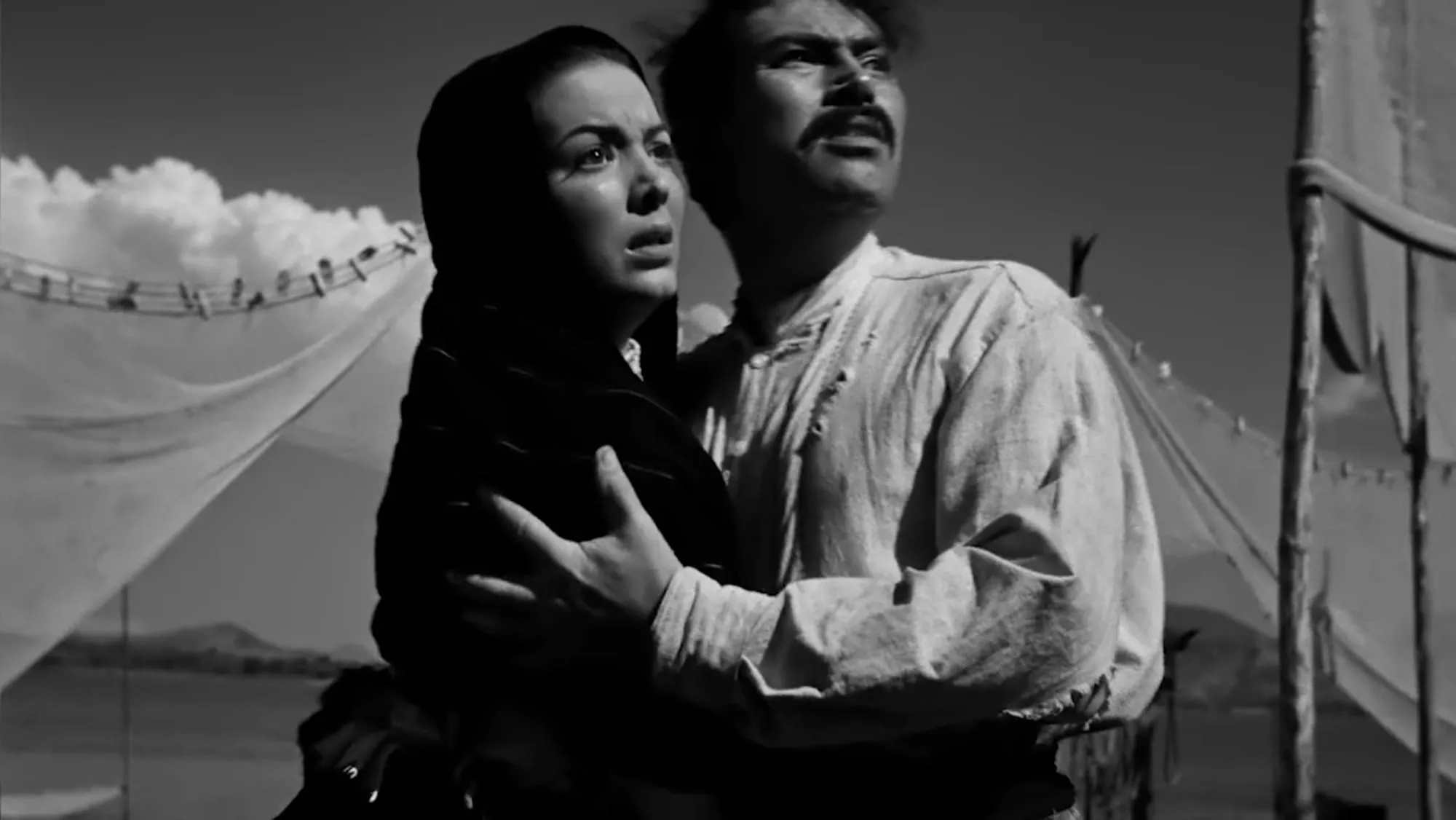
But everyone is already coming. They run, look around desperately for somewhere to go, and get cornered. Stones start raining down on them.
This is where I have my criticism. Real Indigenous faces finally show up, not all actors anymore. And they show up as a mob. As savages.
I couldn’t find anything documenting that “law of the island” as a real custom. It comes from the same Janitzio story, and in María Candelaria the town also stones the heroine.
The soldiers arrive, fire into the air and take the couple under their protection. The same army that brought the sergeant.
It all happens very fast. But there’s something that won’t leave me alone. Halfway through the film, the teacher explains to the lieutenant what Janitzio is like: “Here they’re born, here they live, here they die.” And he says that the mere threat of having to leave the island is worse than death for them.
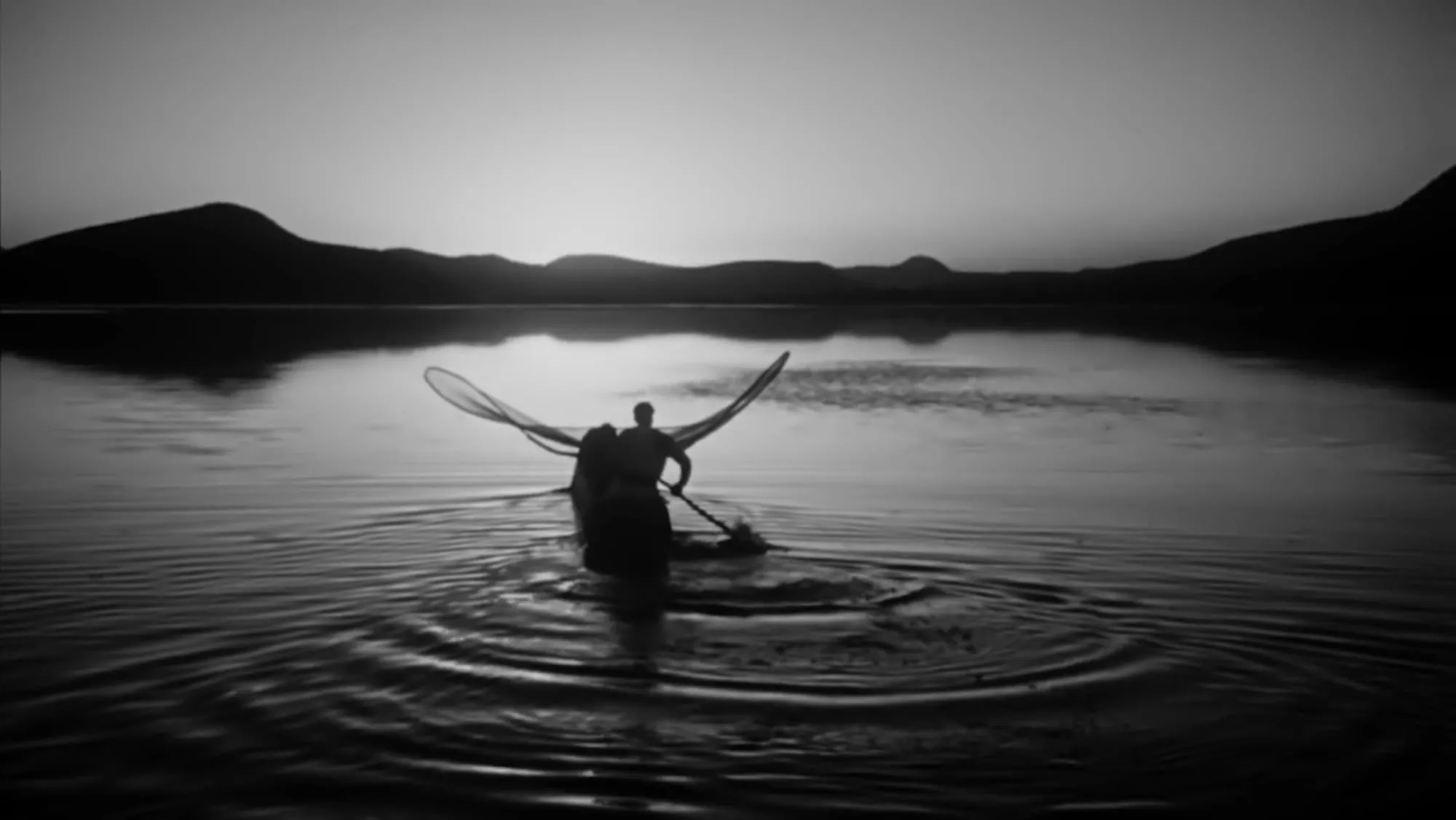
The last image is the two of them in a canoe, backlit, moving away from the island.
 323
It’s not a happy ending.
Tata Macario and Sara dead. The two of them, unable to go back. And nobody explains anything.
It’s an exile.
I want to believe they came back someday.
Other scenes I loved
They don’t fit the thesis, but I wasn’t going to leave them out.
 036
 038041
The piggy bank
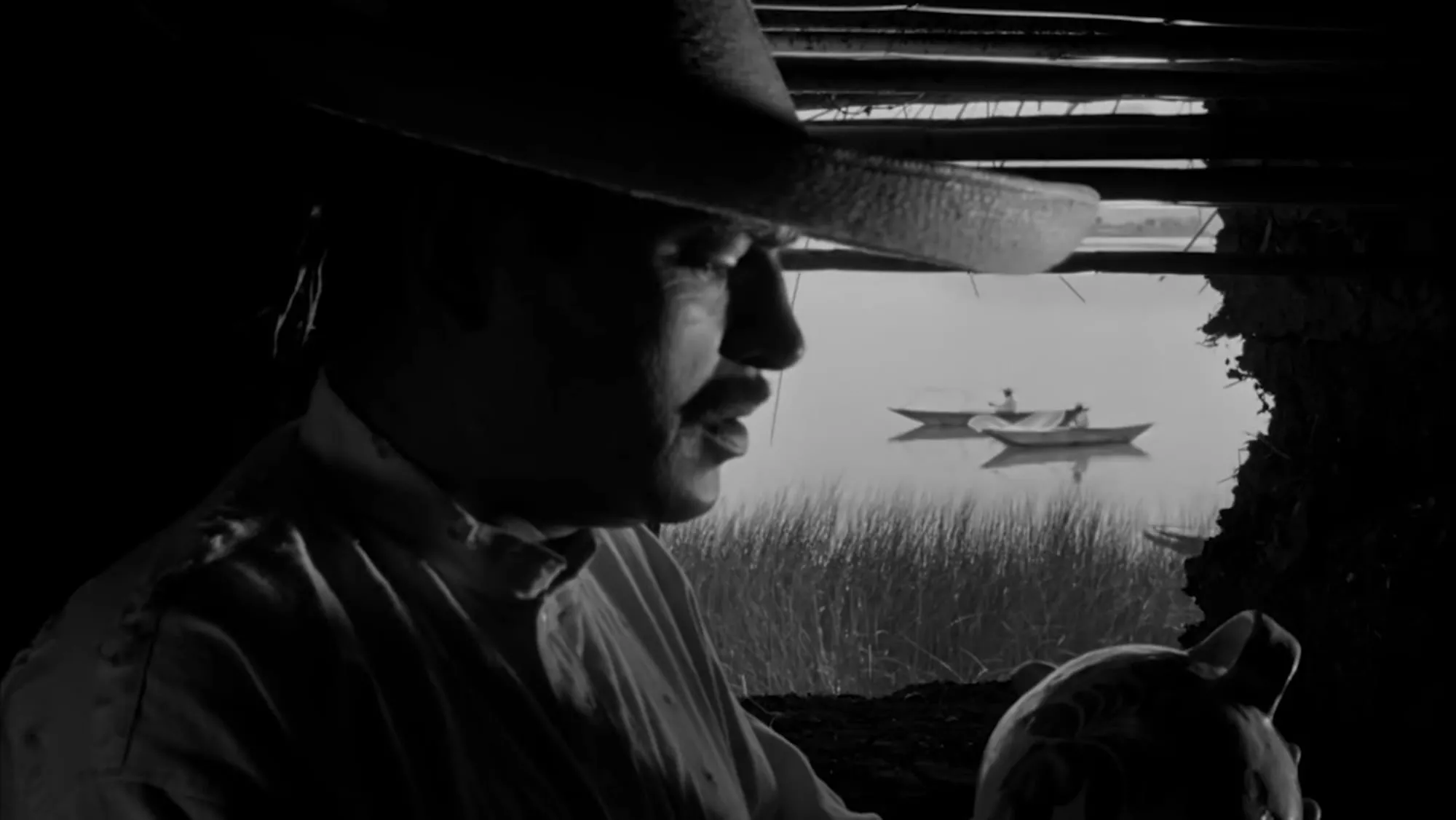
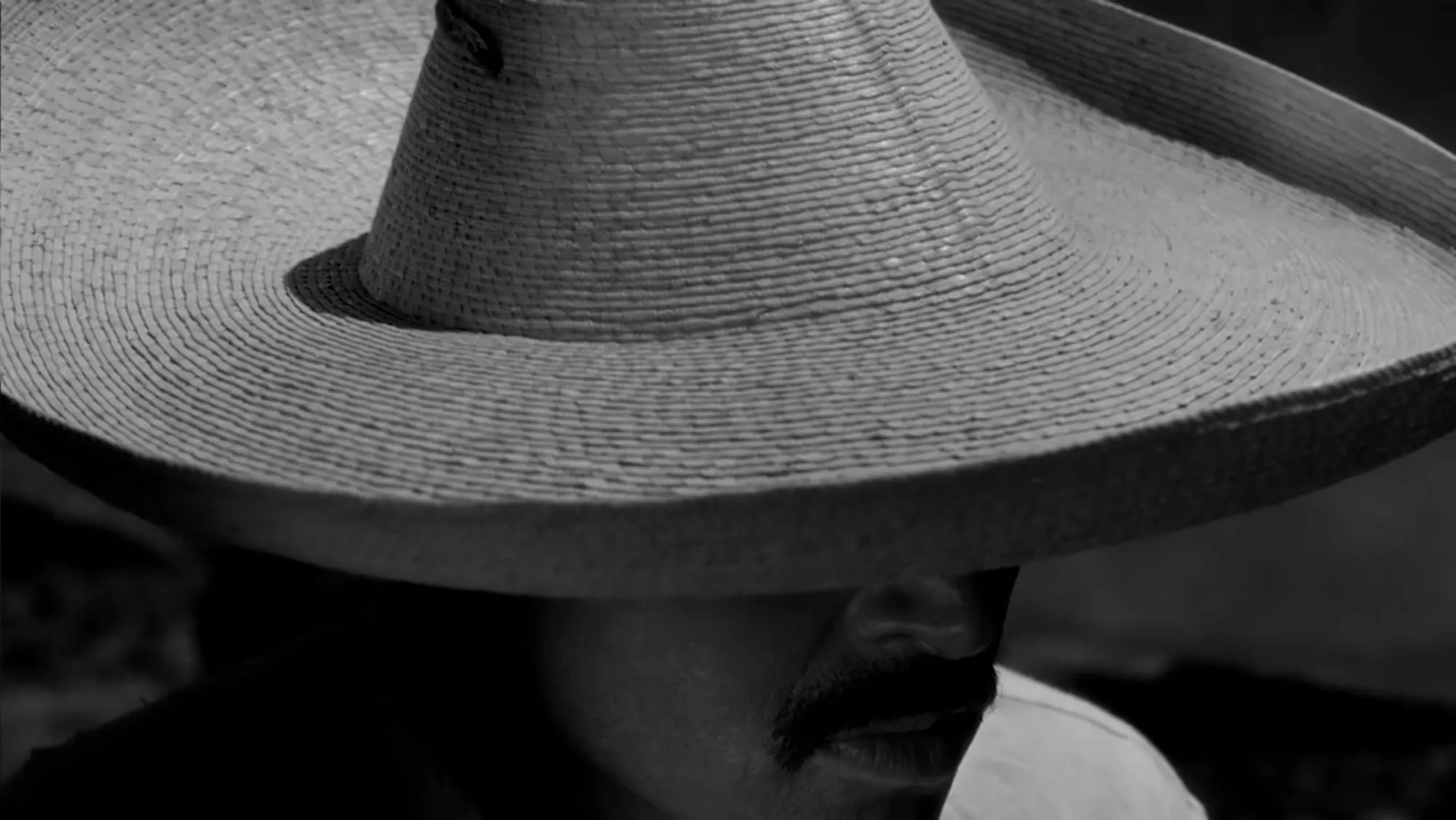
José María at home, looking at his clay piggy bank, with the canoes behind him. Outside, Sara calls for him to come out. He’s half hidden behind his hat; she reminds him of what they used to be. He tells her he loves Maclovia and she’s left heartbroken. It closes perfectly.
 065
“Are you a donkey too?”
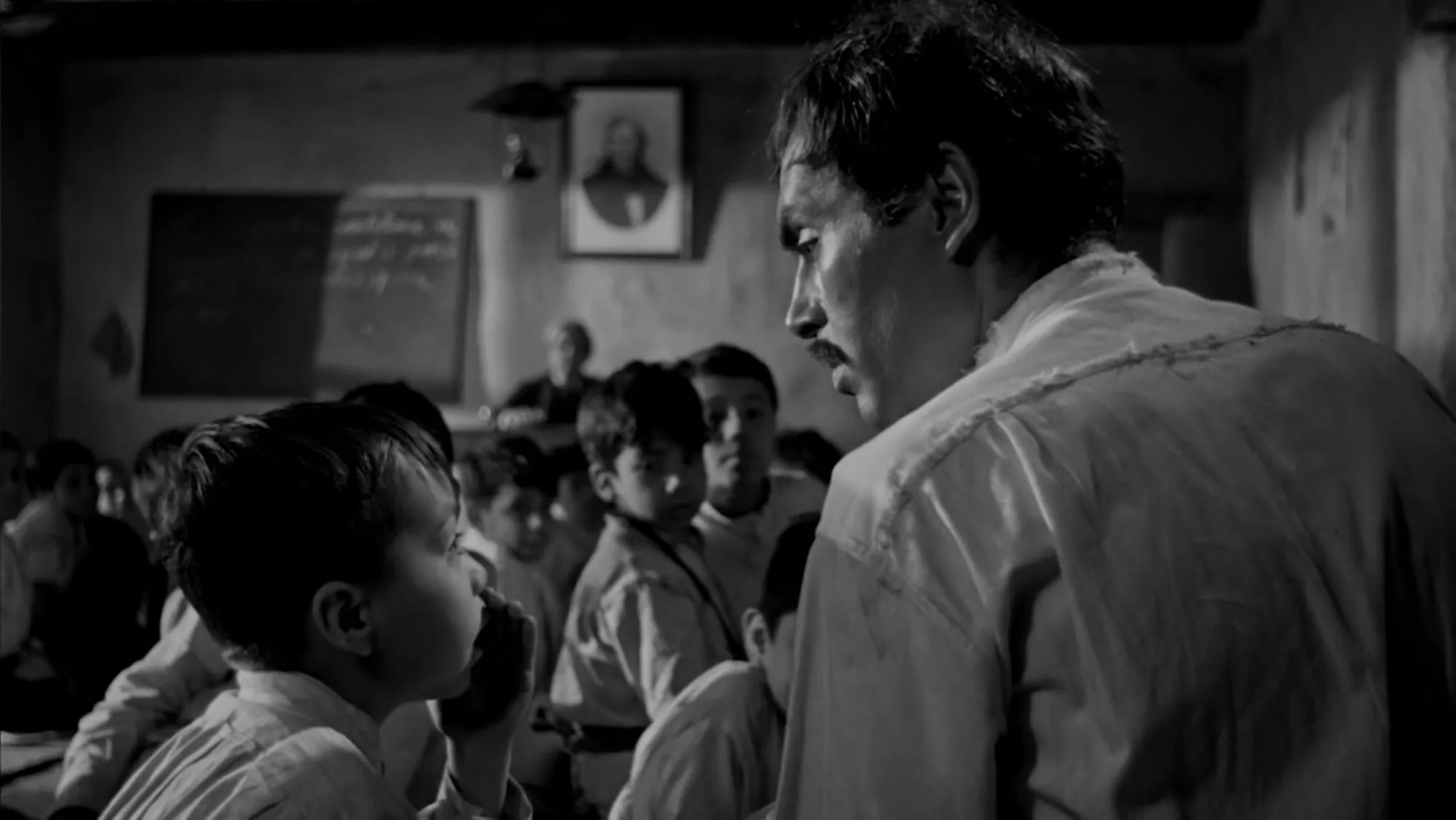
José María, a grown man, at school. He sits up front, a kid tells him that’s where the good students go, so he moves to the back, with the donkeys. Another kid asks him if he’s a donkey too.
“I guess I am.”
 114
The jug
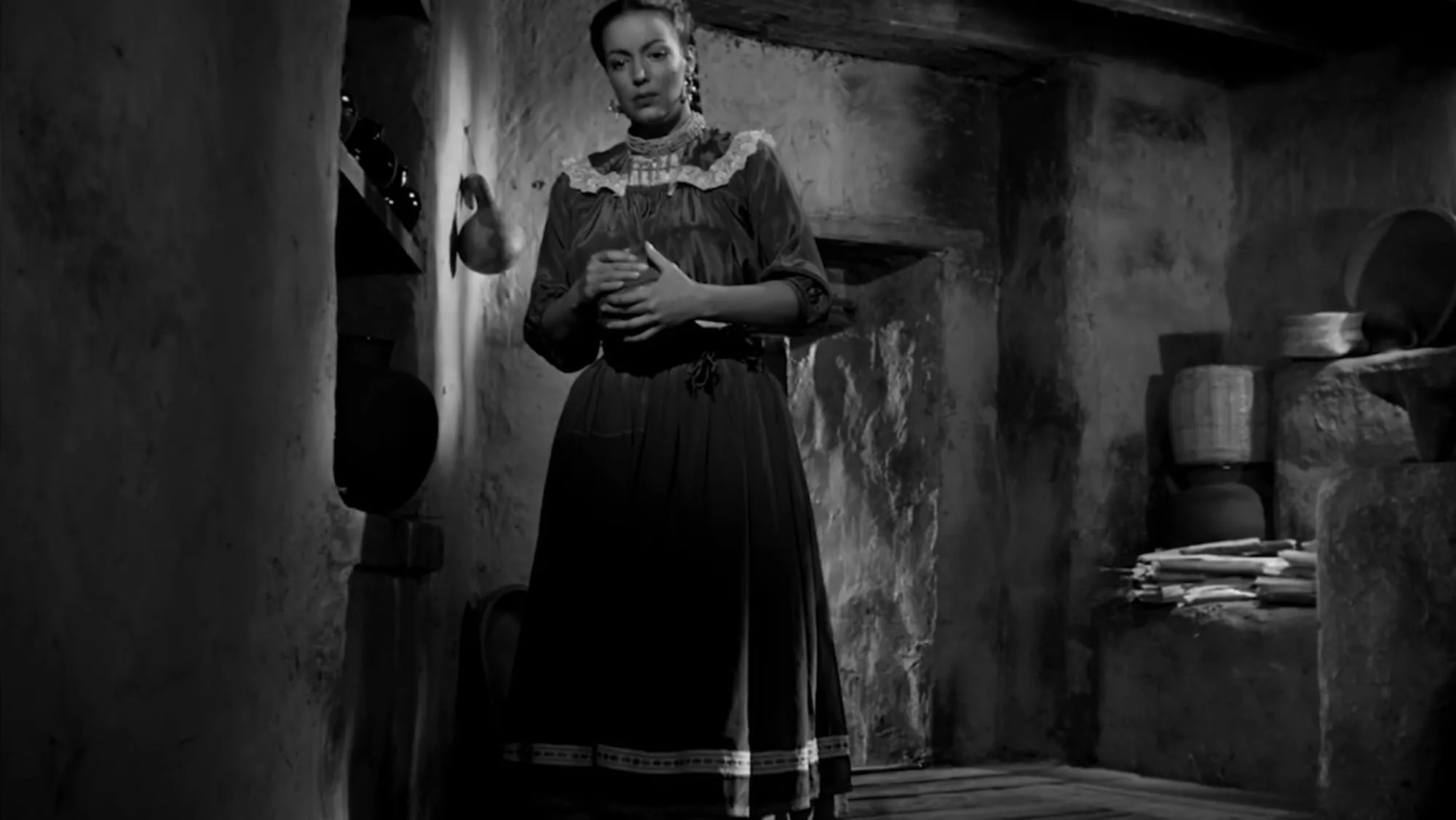
Maclovia drops a jug in the kitchen. Tata Macario stops, picks up the pieces and hands them back to her. I’m still not sure what it means, but I found it lovely.
 142
Everyone agrees
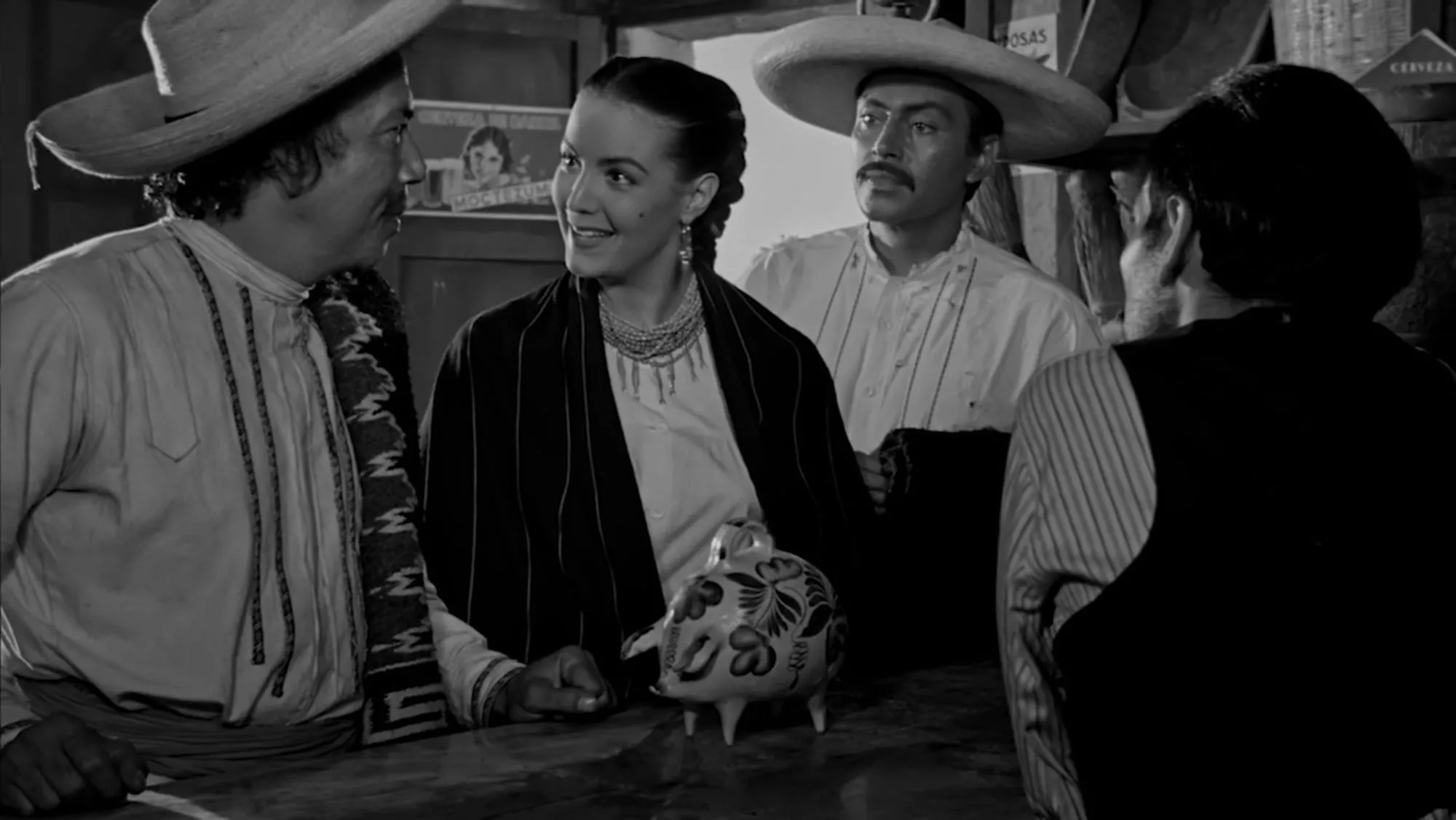
José María, Maclovia and Tata Macario at the store, buying the canoe. I love those scenes where everyone finally agrees. It doesn’t last.
Morelos
The teacher’s monologue about the Indigenous mule driver who started school at fifteen and gave his name to Morelia. At the end he says what his name was: José María, like you.
José María’s face says it all.
Don Generoso
The shopkeeper who overcharges them “because a new law that just came out says so.” His name means “generous.” That’s the best part.
The trial
The sergeant judges the very man he’s accusing, with a list of made-up crimes: “a corrosive blight that threatens the security of our institutions.” Twelve years, plus another twelve. Comical, in air quotes.
Sara
She offers herself to the sergeant to save José María, and he turns her down: the one he wants is the other one. Then Sara looks at Maclovia and, without a word, tells her: I did what I could, now it’s in your hands.
The sergeant in war mode
Rifle, crossed bandoliers, crazy eyes. For a second I thought of the villain in Avatar.
Production notes
ArchiveWhat I found while researching. If you know more, write to me.
The shoot. It started on February 16, 1948, in Janitzio, Pátzcuaro and Estudios Churubusco. It cost around a million pesos. It premiered on September 30, 1948, the anniversary of Morelos’s birth.
Diego Rivera on the scout. He went with Indio Fernández, María Félix and Gabriel Figueroa to look for locations. Figueroa worked from Rivera’s sketches and from references to Mexican muralism.
The third version. The story comes from Janitzio (1935), written by Luis Márquez Romay, with Indio Fernández as an actor. Then came María Candelaria (1943). Maclovia takes it back to Janitzio. The screenplay is by Emilio Fernández and Mauricio Magdaleno.
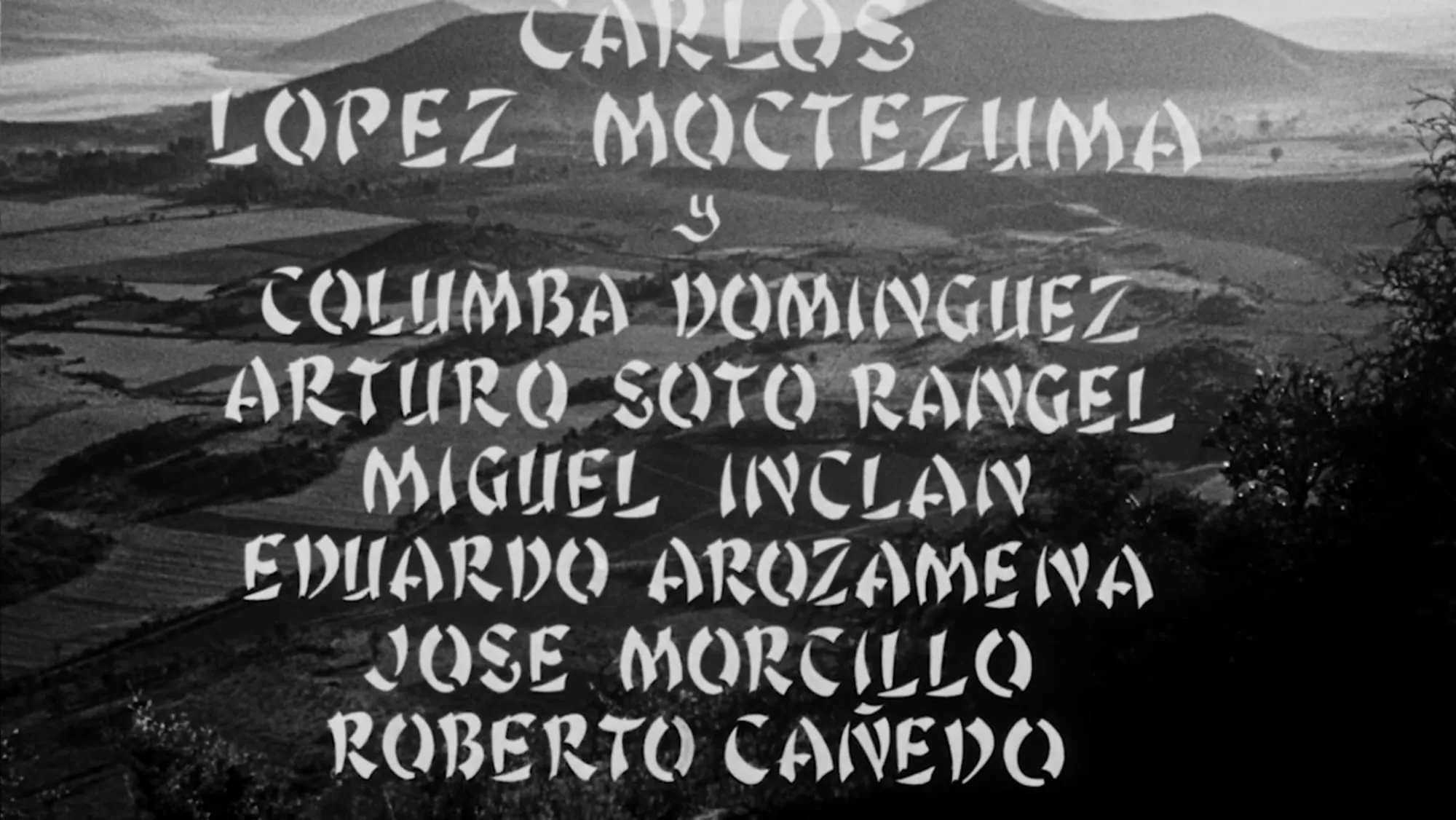
The cast. María Félix (Maclovia), Pedro Armendáriz (José María), Miguel Inclán (Tata Macario), Columba Domínguez (Sara), Carlos López Moctezuma (Sergeant Genovevo de la Garza) and Arturo Soto Rangel (the teacher). Armendáriz was born in Mexico City to an American mother; he grew up in Laredo, Texas, and went to college in California.
1914. The story takes place after Huerta’s resignation, with the Constitutionalist army occupying the island. That explains why the detachment arrives, even though the film never says so.
Set photos. Luis Márquez Romay photographed the shoot in Janitzio. The photos are in the Fundación Televisa archive.
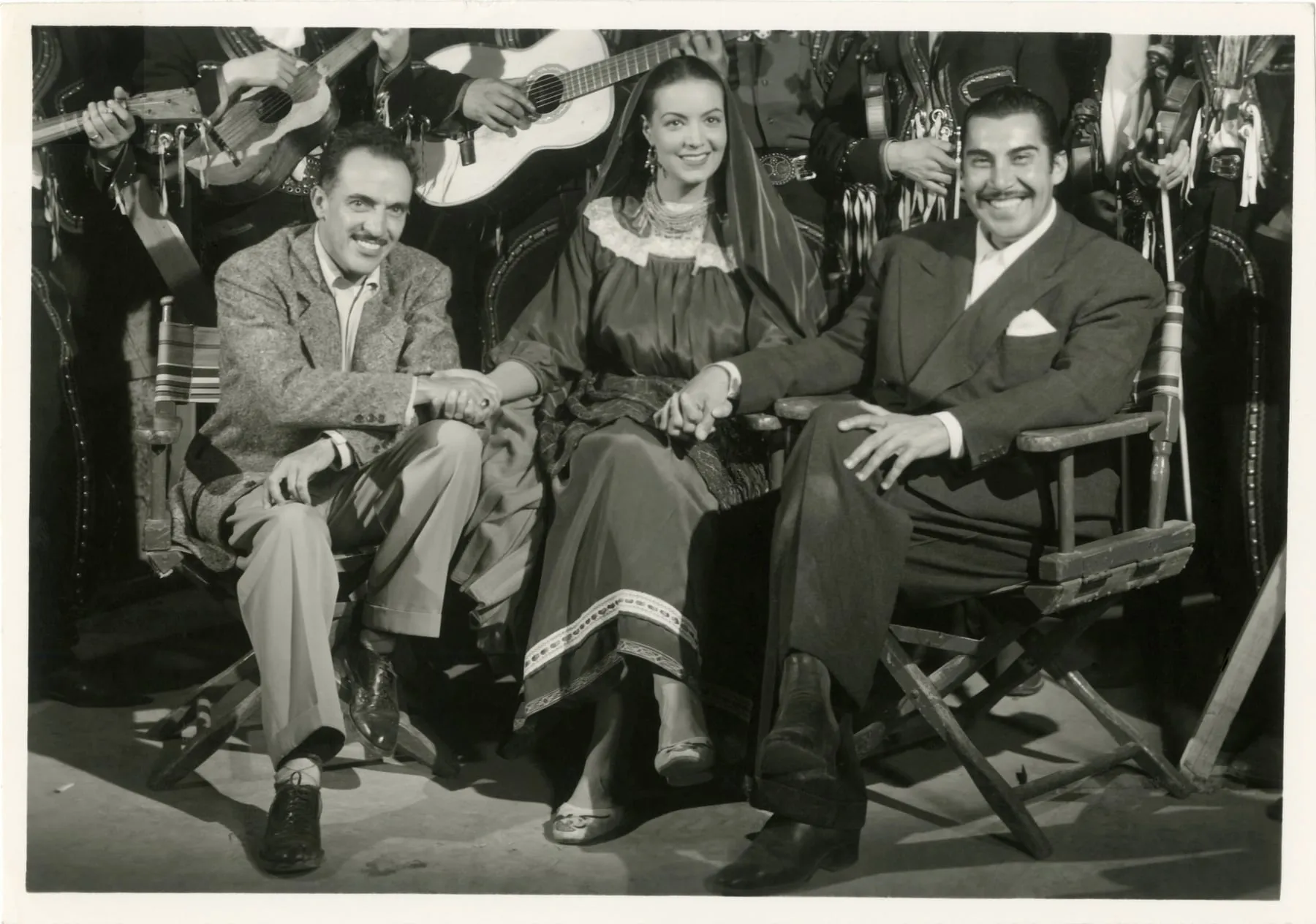
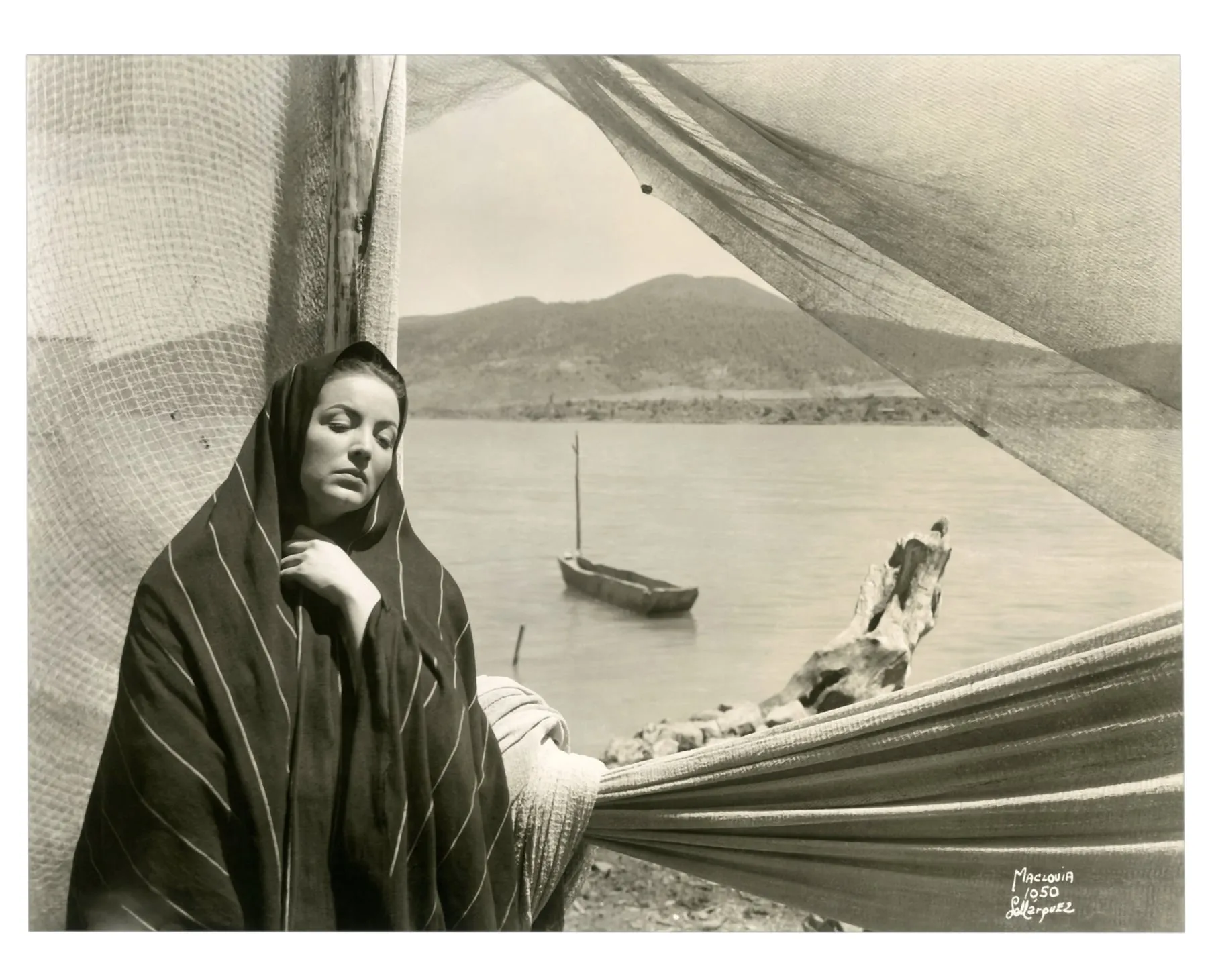
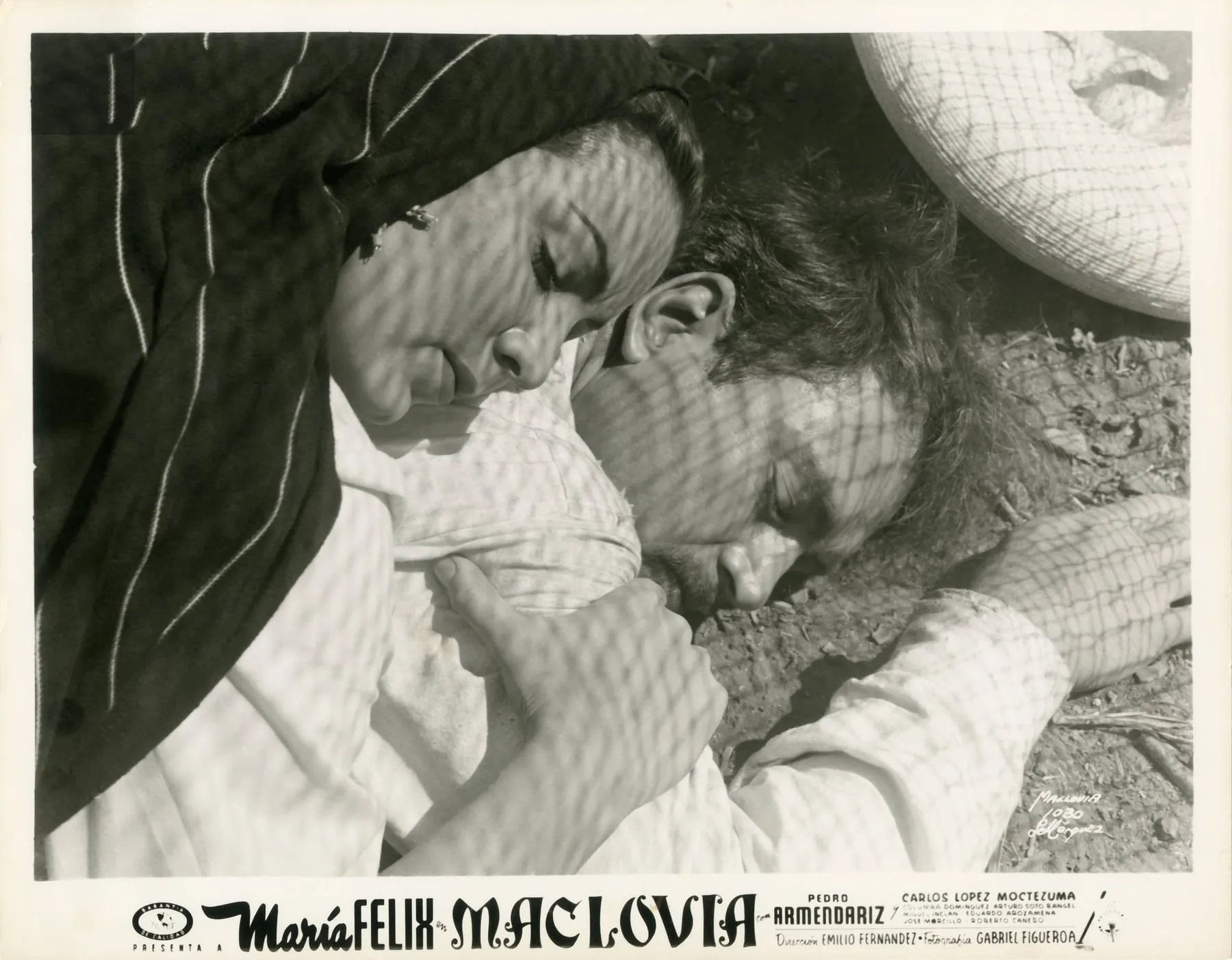
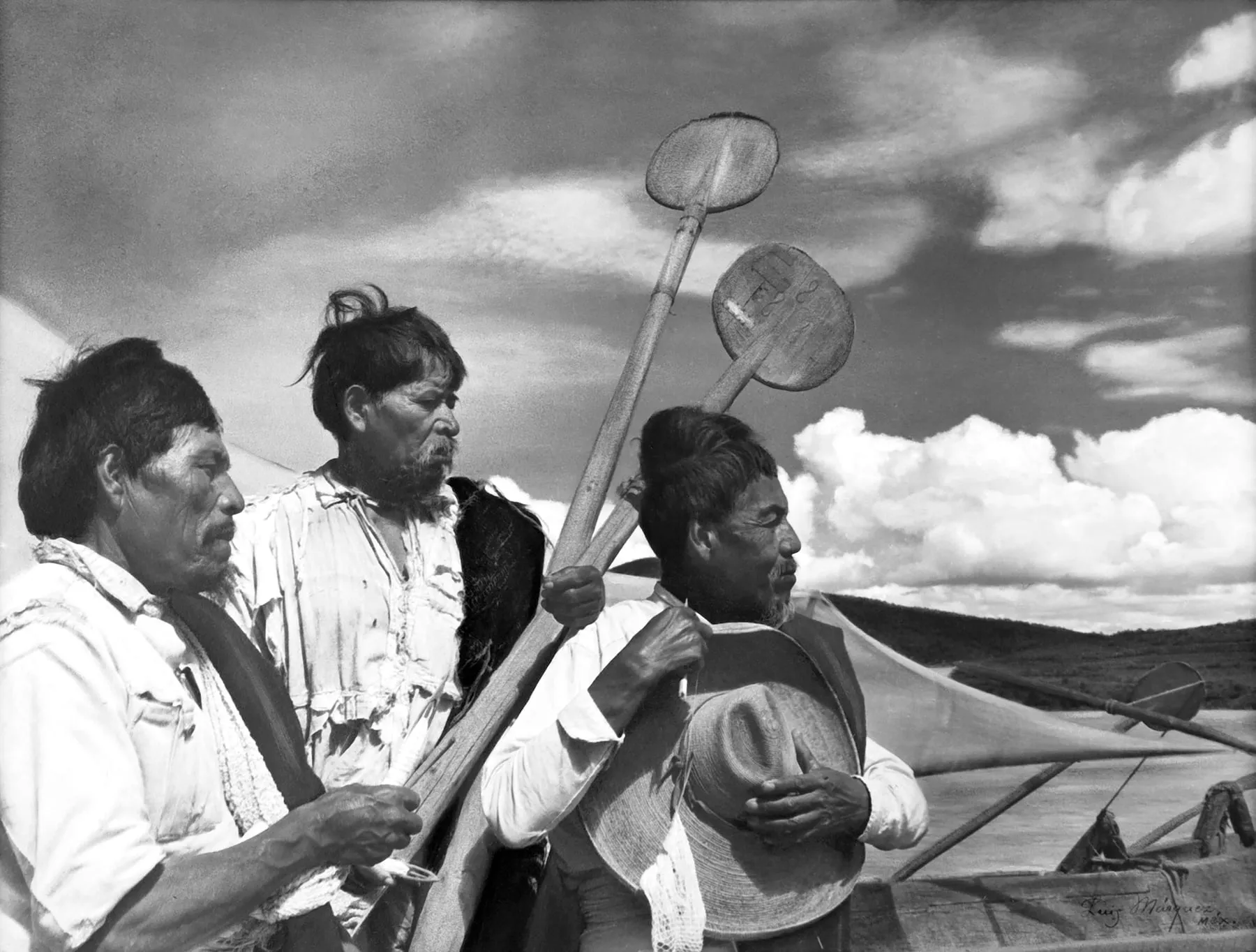
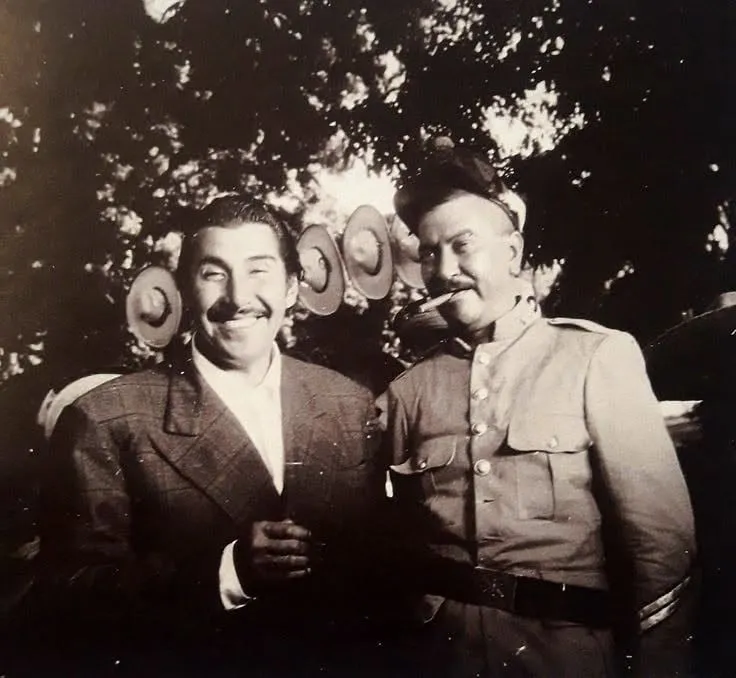
Photos: Luis Márquez Romay, Fundación Televisa archive.
The house. Casa Cote, where it was filmed, was announced in 2024 as the home of the Janitzio Community Museum, with a floor dedicated to the film.
Nights on the lake. Figueroa told Elia Kazan that he shot his exterior nights with filters and underexposure. The night scenes on the lake were most likely shot during the day.
Fishing today. Butterfly-net fishing still exists, as a demonstration for tourists. About 80% of the island lives off tourism.
How it was received. It was acclaimed in Venice in 1949. Emilio García Riera wrote about a “Figueroa-style beauty treatment,” and quoted a critic who called the moments when drama gives way to pure image an “error in beauty.” A recent academic reading sees it as institutional indigenist cinema: it defends Purépecha dignity, but its ending proposes that the couple be assimilated into the nation.
Notes on cinematography
Shadows can go to black. The sergeant arrives in Pátzcuaro and the people in the background are pure silhouette. It looks incredible. Not everything has to be exposed. It takes a worry off my mind for my next projects: I don’t need the perfect HDR image. It’s a choice.
015What I would avoid at all costs is the opposite: exposing for the subject and blowing out the background. At weddings you sometimes have to, because the couple is the priority. On a project like this, no.
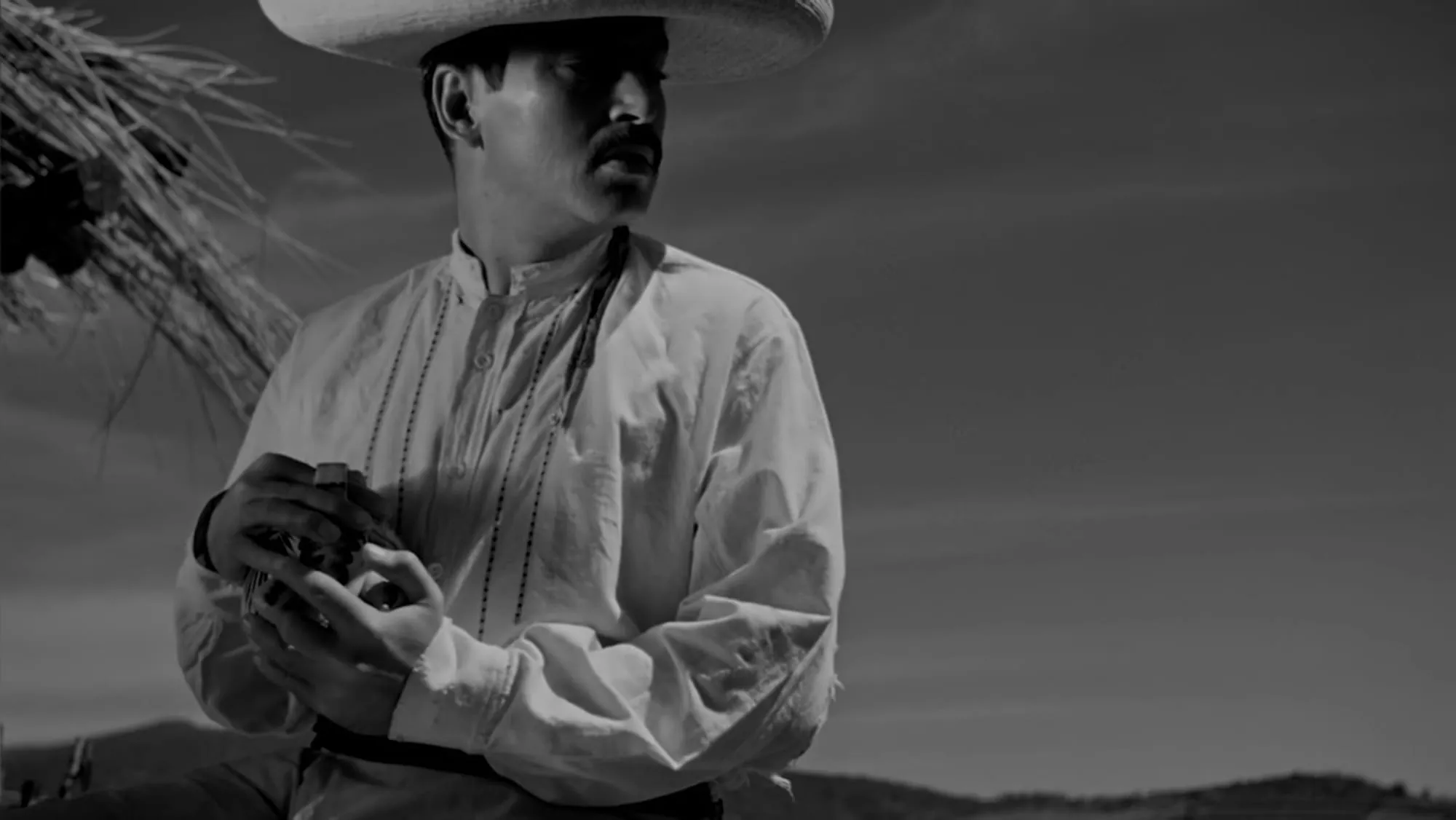
Dynamic range. In practically every still you can see everything: the sky with its clouds, the tiles, the water, the face.
Inside and outside at once. José María at home and, through the window, the canoes. I imagine they lit the interior almost as if it were daytime. I’d love to know with what lights.
036The light in the eyes. Tata Macario’s eyes shine like crazy. I still don’t really know how they did it.
Black and white is forgiving. Color temperature hardly matters, and contrasty light shines.
Dissolves. They work when both frames were already designed to overlap.
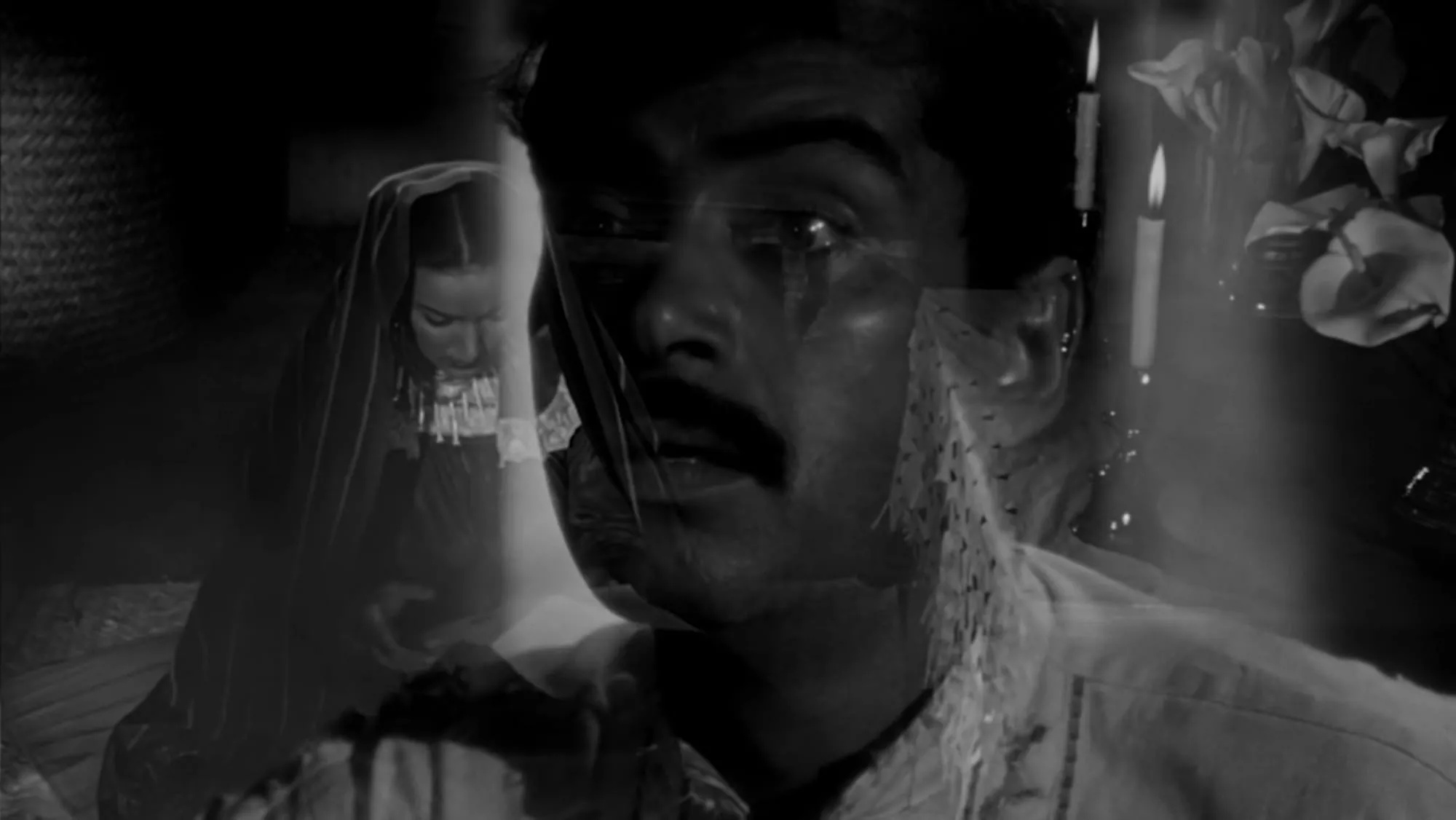 090
Let the place speak. Tiny characters, lots of setting. And the scenes that moved me most don’t have a single word.
Open questions
- Is anyone who appeared in the film still alive? A child extra in 1948 would be about 85 today.
- How many extras were from the island and how many came from Mexico City?
- How was the Filmex logo made, and who lettered the titles?
- Where can you watch it in 4:3 and in good quality? I watched it on Tubi, cropped to 16:9.
Sources
- La Voz de Michoacán, “Maclovia: Emilio Fernández y Gabriel Figueroa en el Lago de Pátzcuaro”
- “Reivindicación de la cultura purépecha en el filme Maclovia,” Dialnet
- Revista Icónica, on Maclovia
- NTS Noticias and Quadratín, on the 70th anniversary of the premiere
- Luis Márquez Romay, set photos, Fundación Televisa on Google Arts & Culture
- Contramuro, on Casa Cote and the museum
- SensaCine, on Figueroa’s technique
- N+, “Janitzio lucha para que su tradición no se convierta en folklore”